Latest articles
- Science
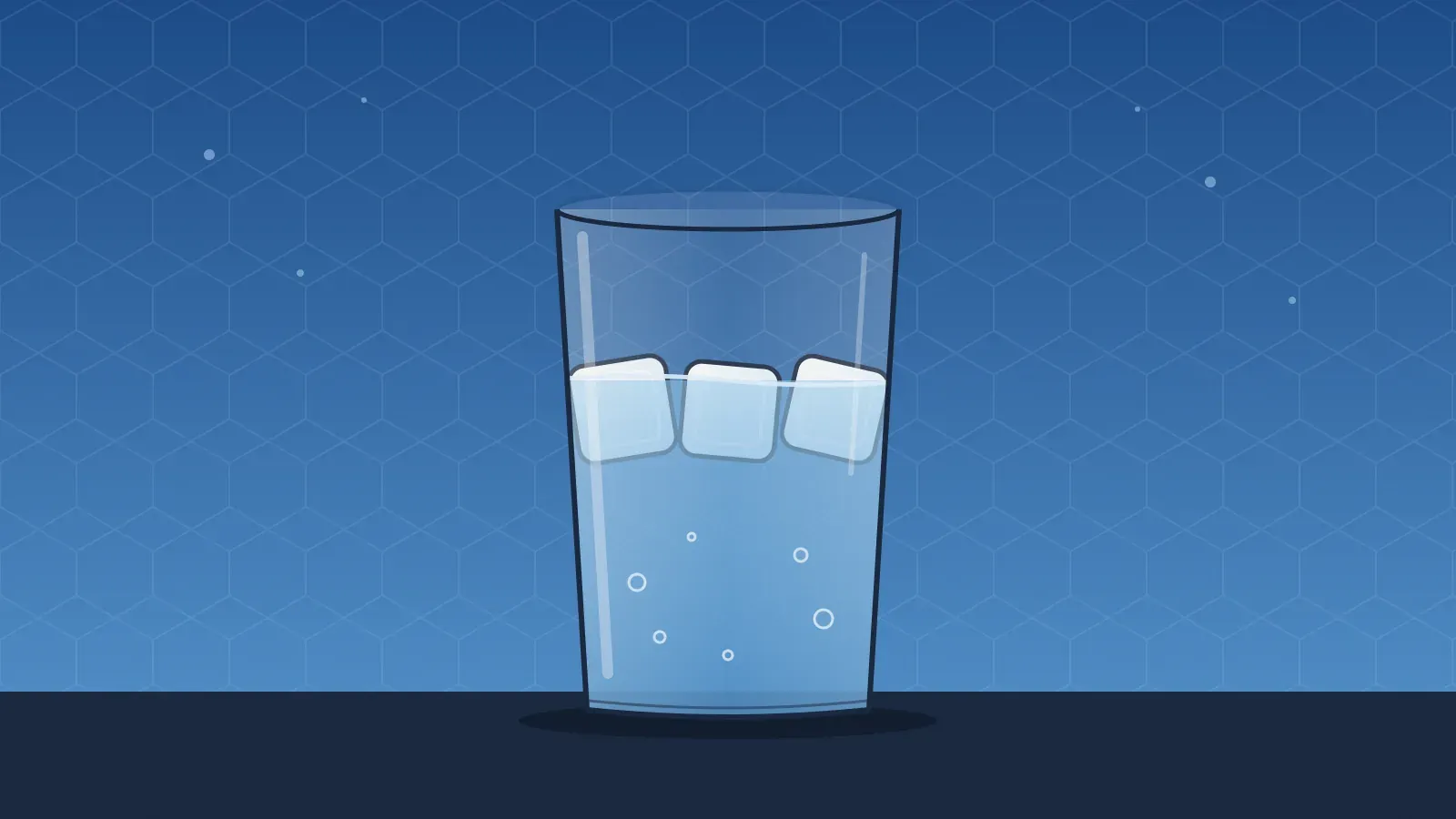
Why Ice Floats, and Why Fish Are Grateful for It
When water freezes, hydrogen bonds lock its molecules into an open network that is less dense than the liquid. That small chemical quirk keeps lakes from freezing from the bottom up.
November 3, 2026 - Science
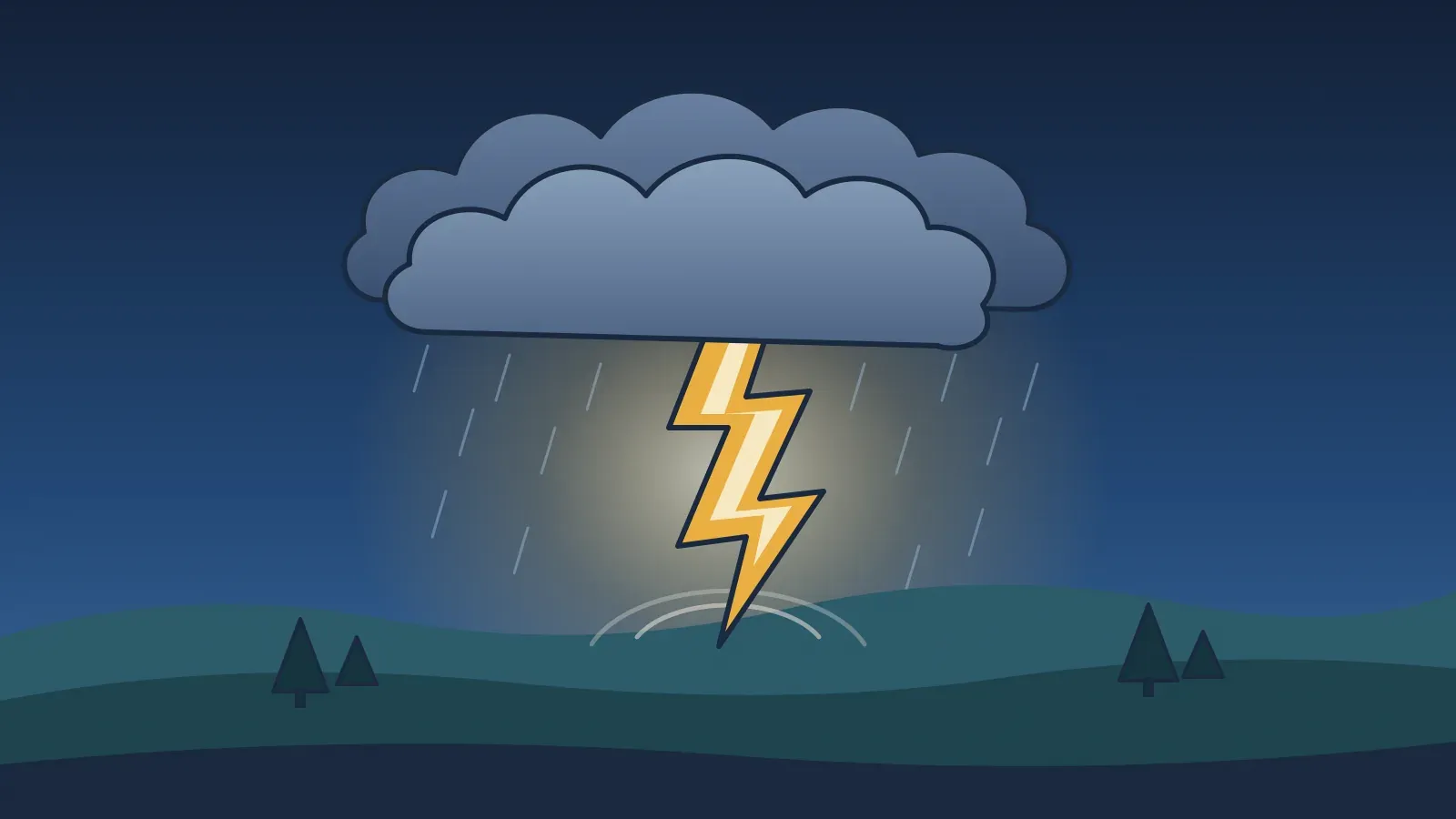
How Lightning Forms and Why Thunder Always Arrives Late
Collisions between ice crystals and soft hail separate electric charge inside a storm cloud until the air gives way. The flash arrives almost instantly; the sound takes about 5 seconds per mile.
November 3, 2026 - Science
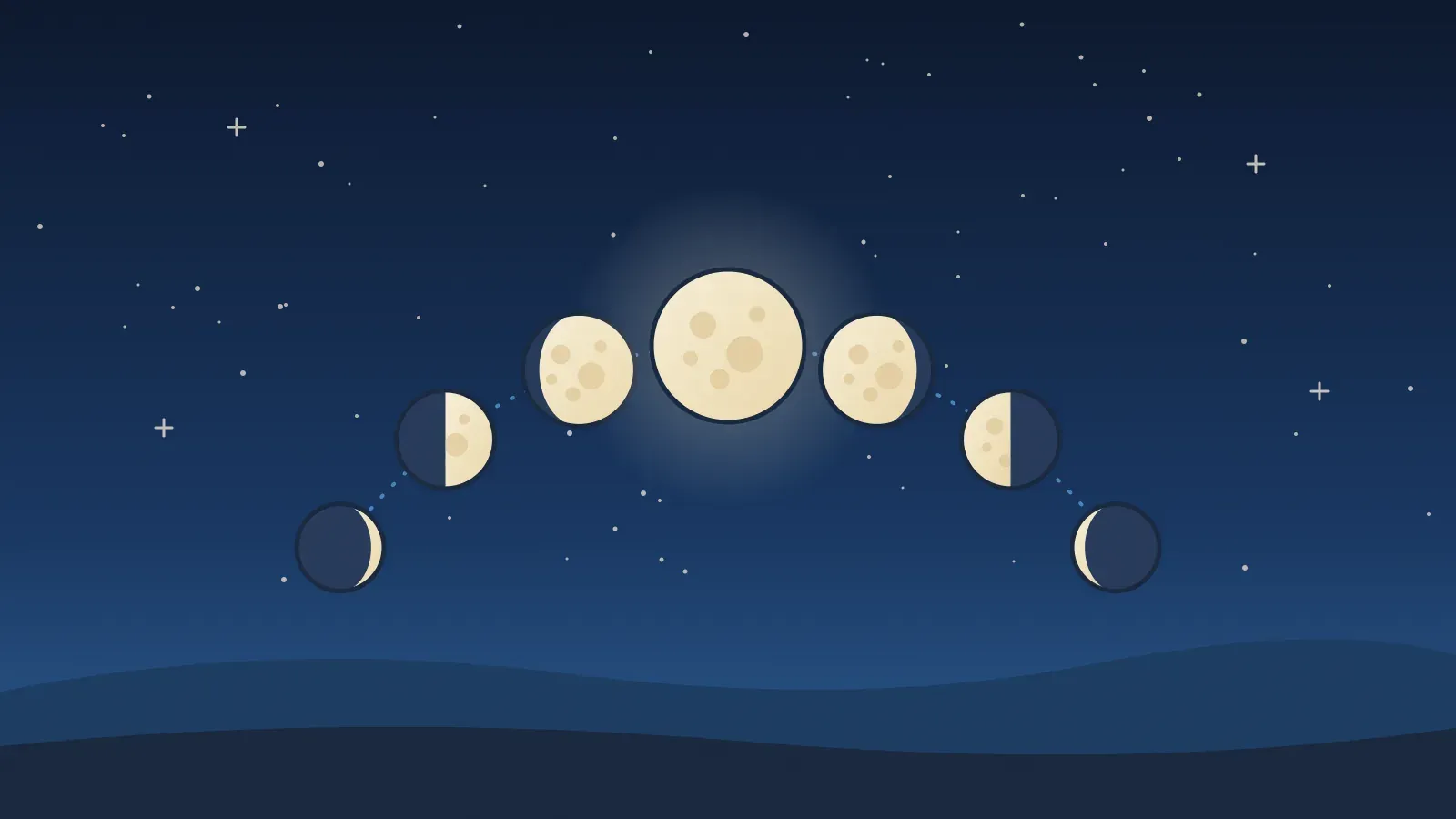
Why the Moon Has Phases, and Why Earth's Shadow Isn't the Reason
Half of the Moon is always lit by the Sun; what changes is how much of that half we can see as it circles Earth. Earth's shadow only shows up during eclipses.
November 3, 2026 - Science
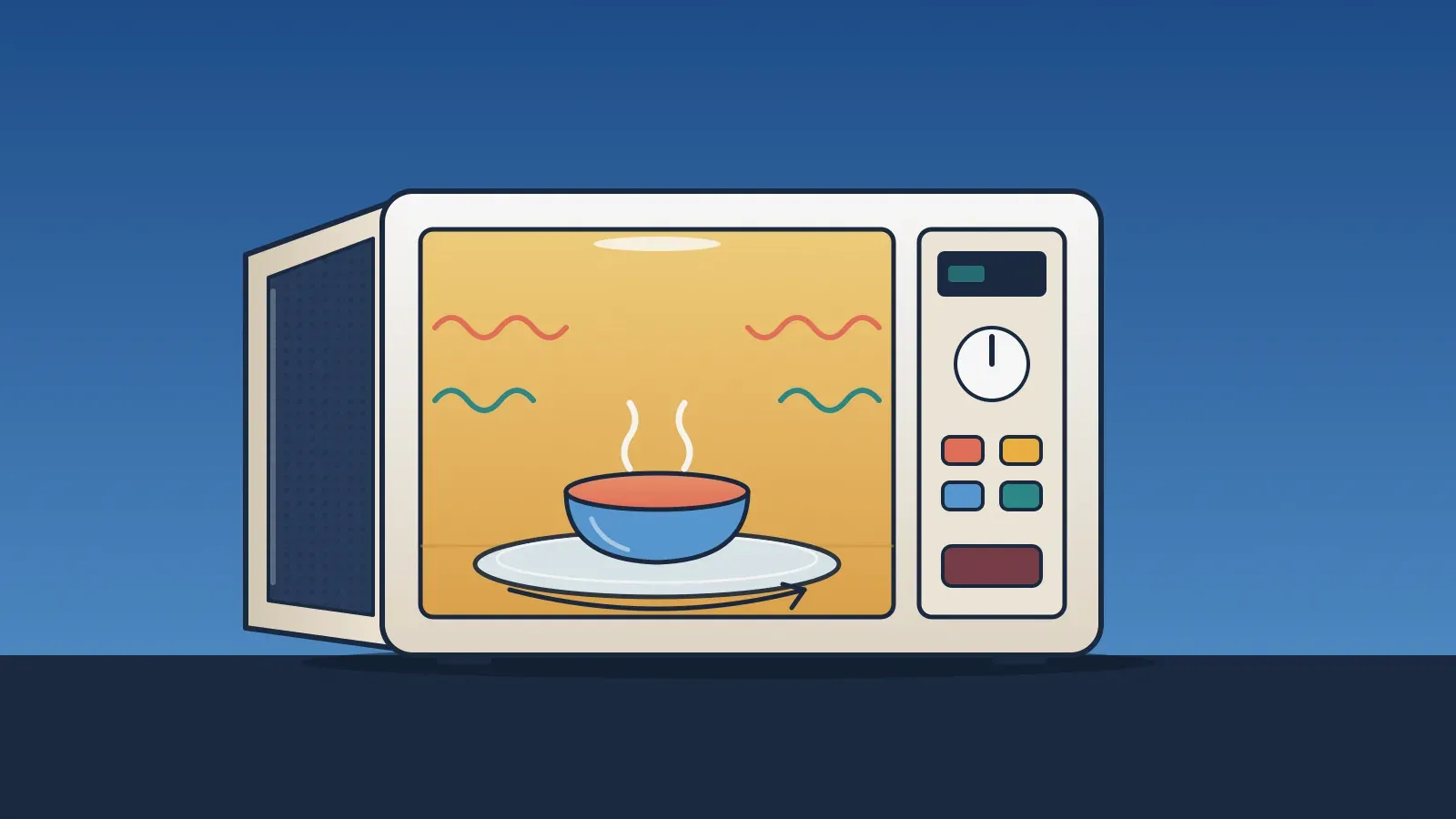
Does a Microwave Cook Food From the Inside Out? No, and Here's Why It Matters
Microwaves heat the outer layers of food, down to a few centimeters deep; the center warms afterward by conduction. That is why stirring and standing time make a real difference.
November 3, 2026 - History
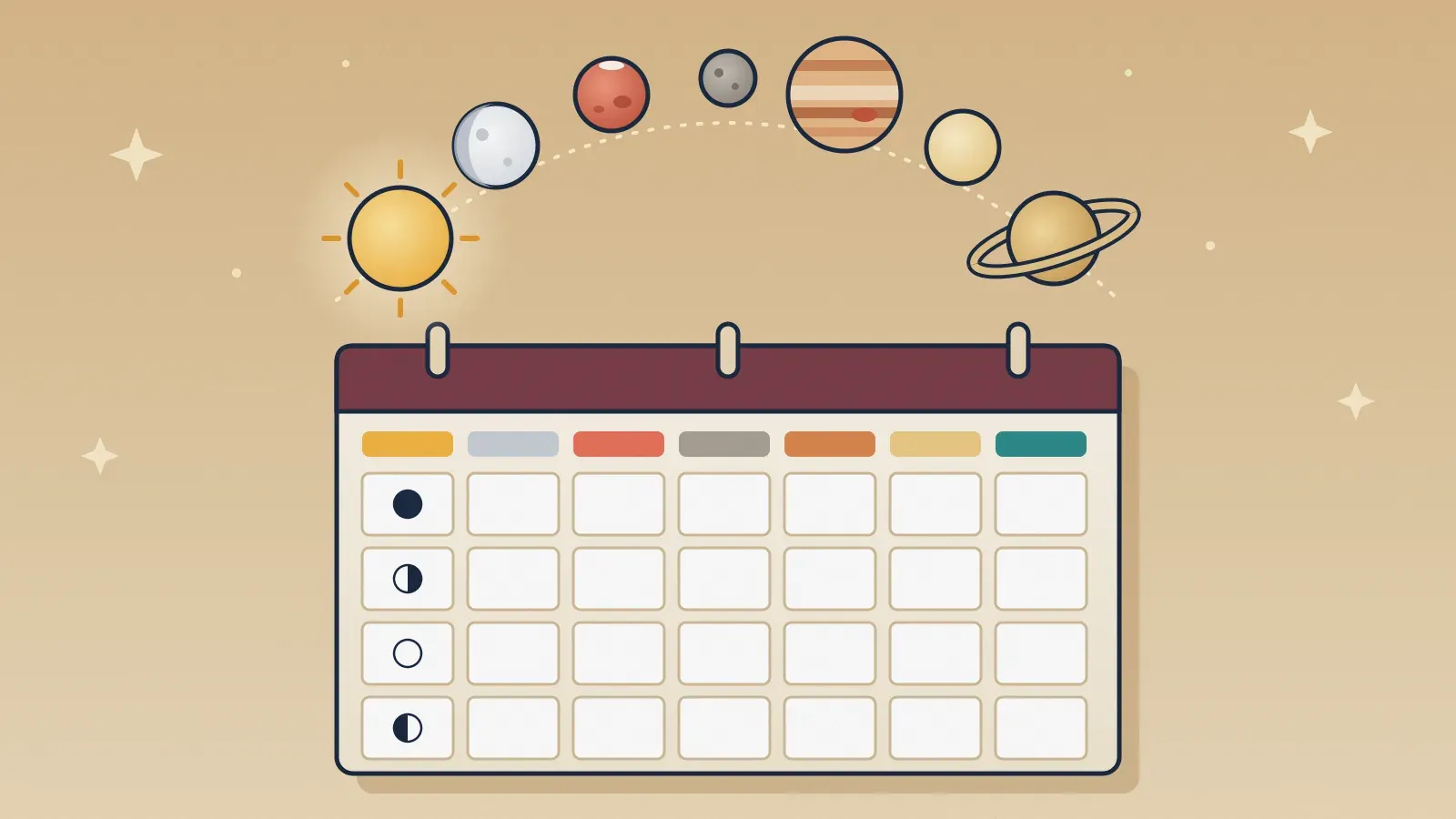
Why the week has seven days, and where weekday names come from
Babylonians, Jewish tradition and the seven naked-eye wanderers of the sky all shaped the week. Here is what is fact, what is hypothesis, and why Portuguese weekdays are numbered.
November 3, 2026 - History
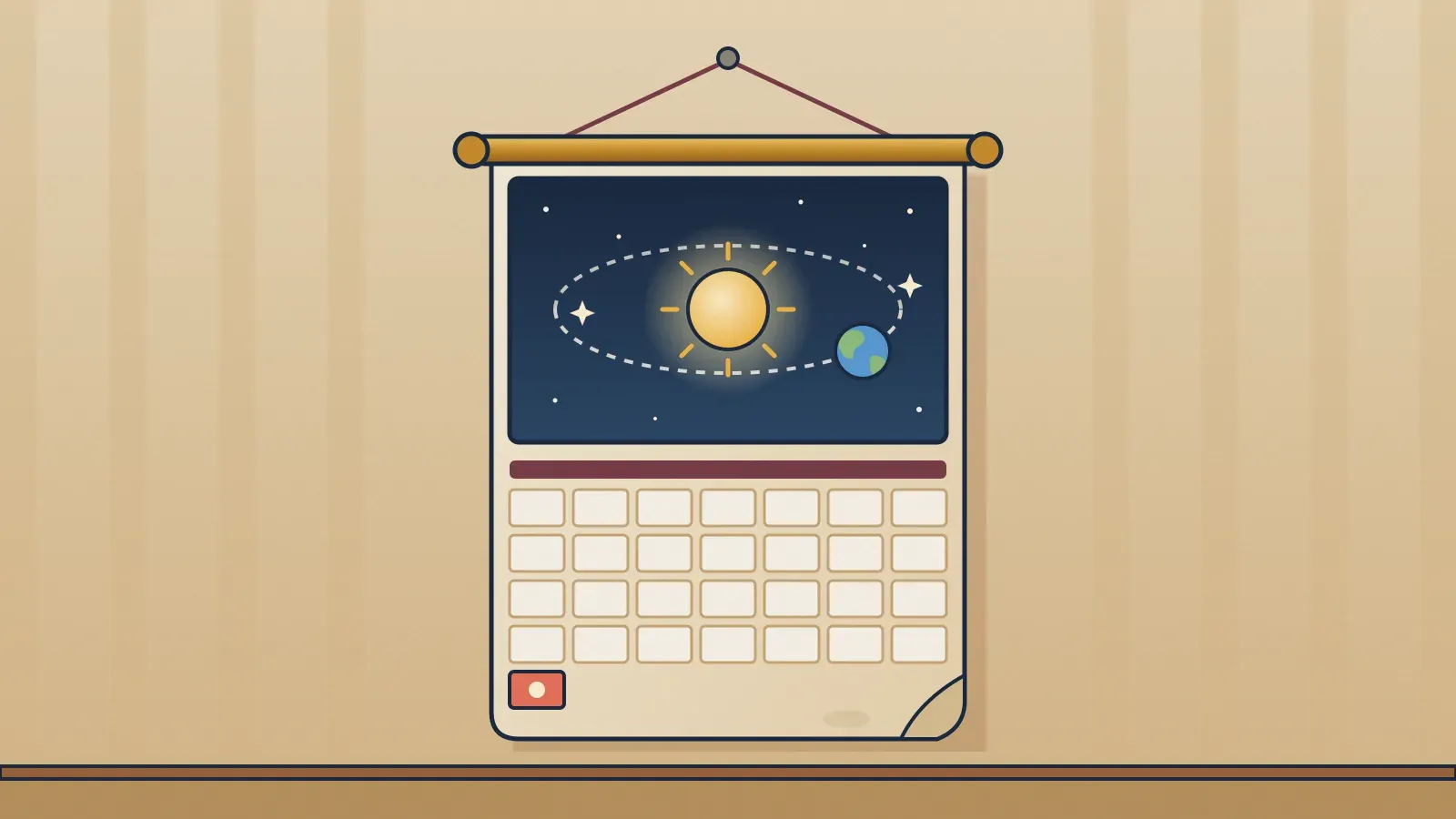
Where leap years come from: from Julius Caesar to the century rule
The seasonal year lasts about 365.2422 days, so the calendar needs an extra day to keep up. Here is how the Julian calendar and the 1582 Gregorian reform produced today's rule.
November 3, 2026 - History
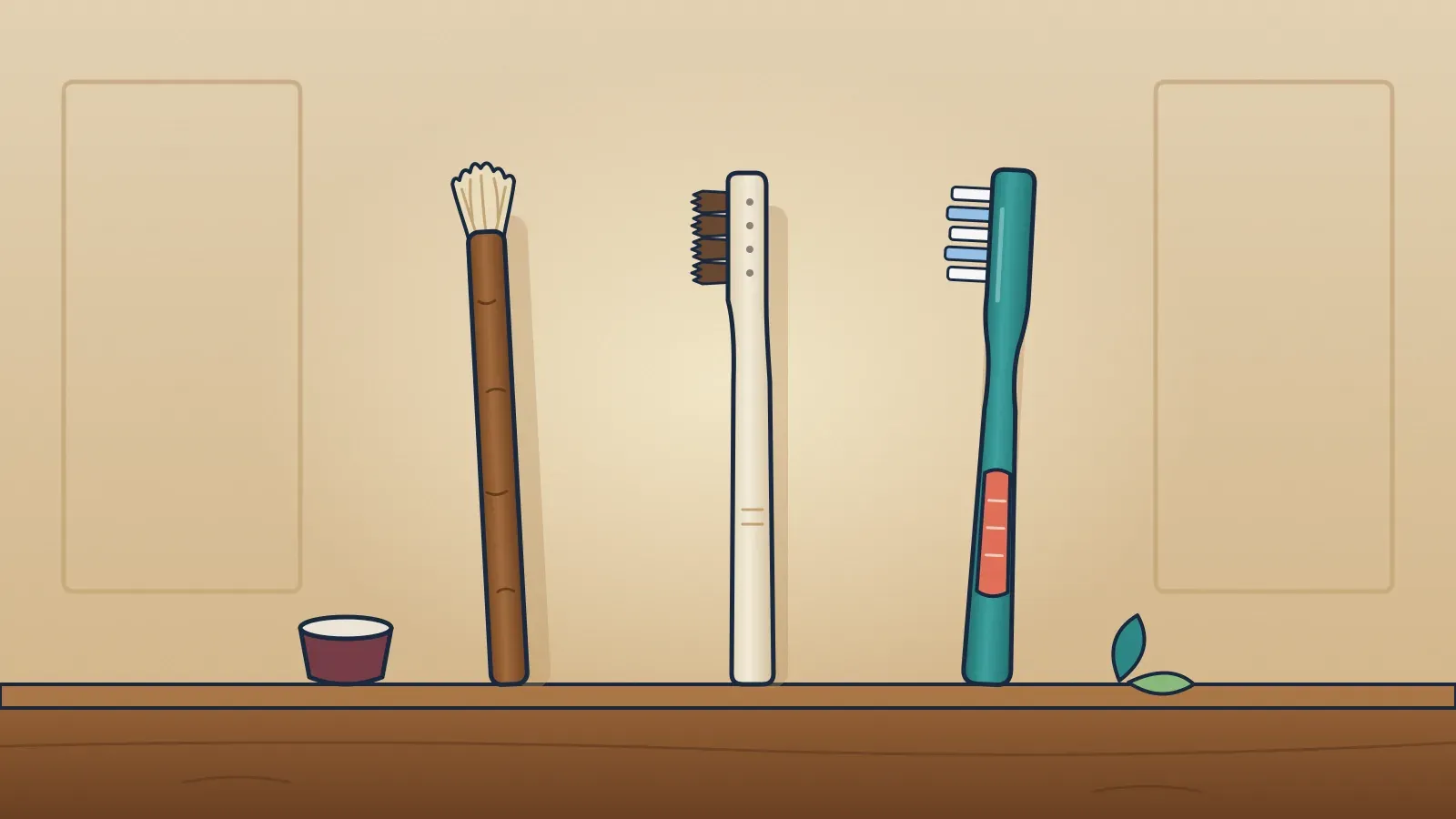
How people cleaned their teeth before the modern toothbrush
Chew sticks, powders of ash and shell, Chinese hog-bristle brushes and, only in 1938, nylon bristles. Here is how tooth cleaning evolved over thousands of years.
November 3, 2026 - History
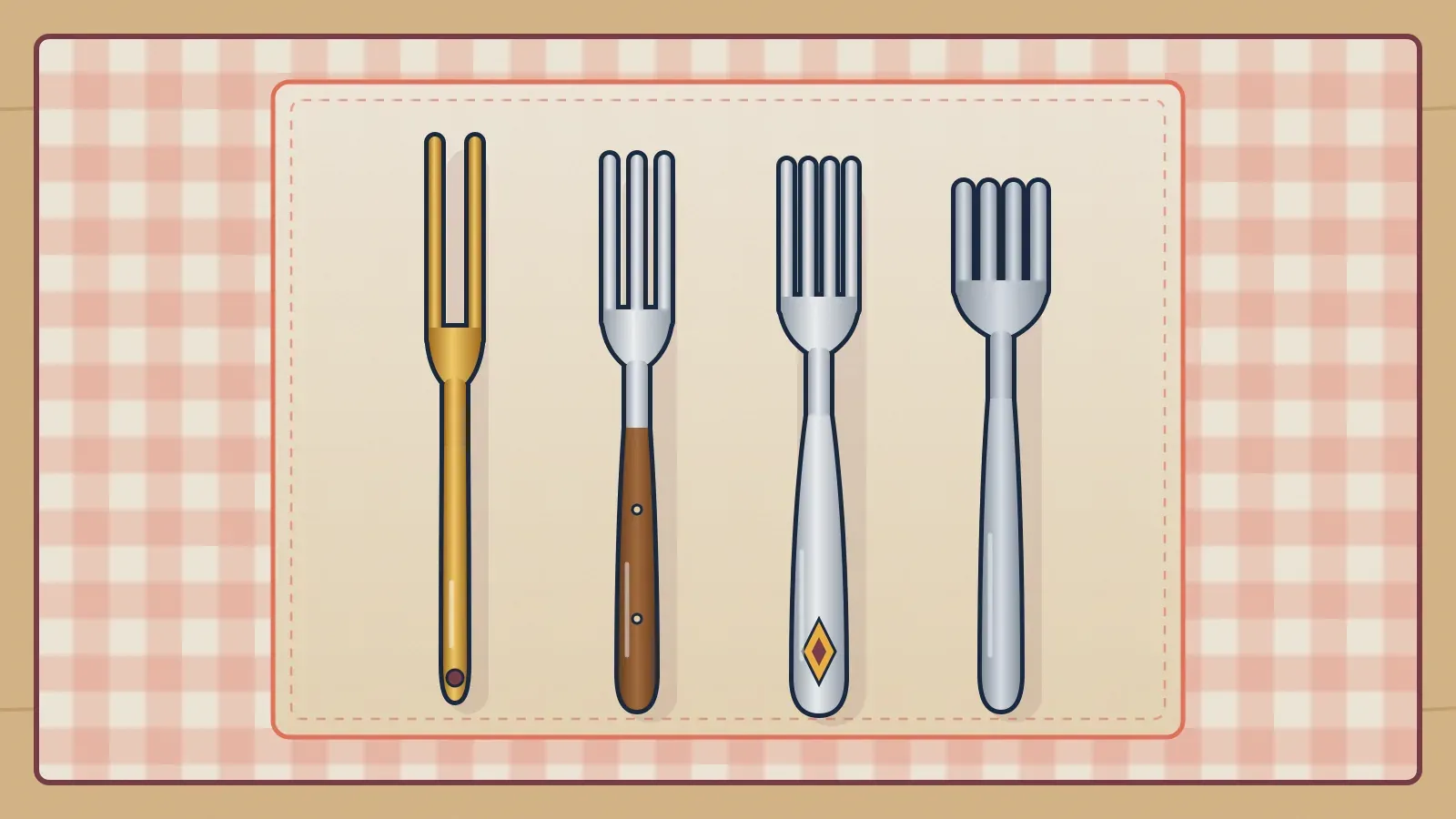
The history of the fork: from scandalous novelty to everyday utensil
The table fork came from Byzantium, was condemned as vanity in medieval Italy and took centuries to spread across Europe. Here is what is fact and what is legend in its story.
November 3, 2026 - Nature
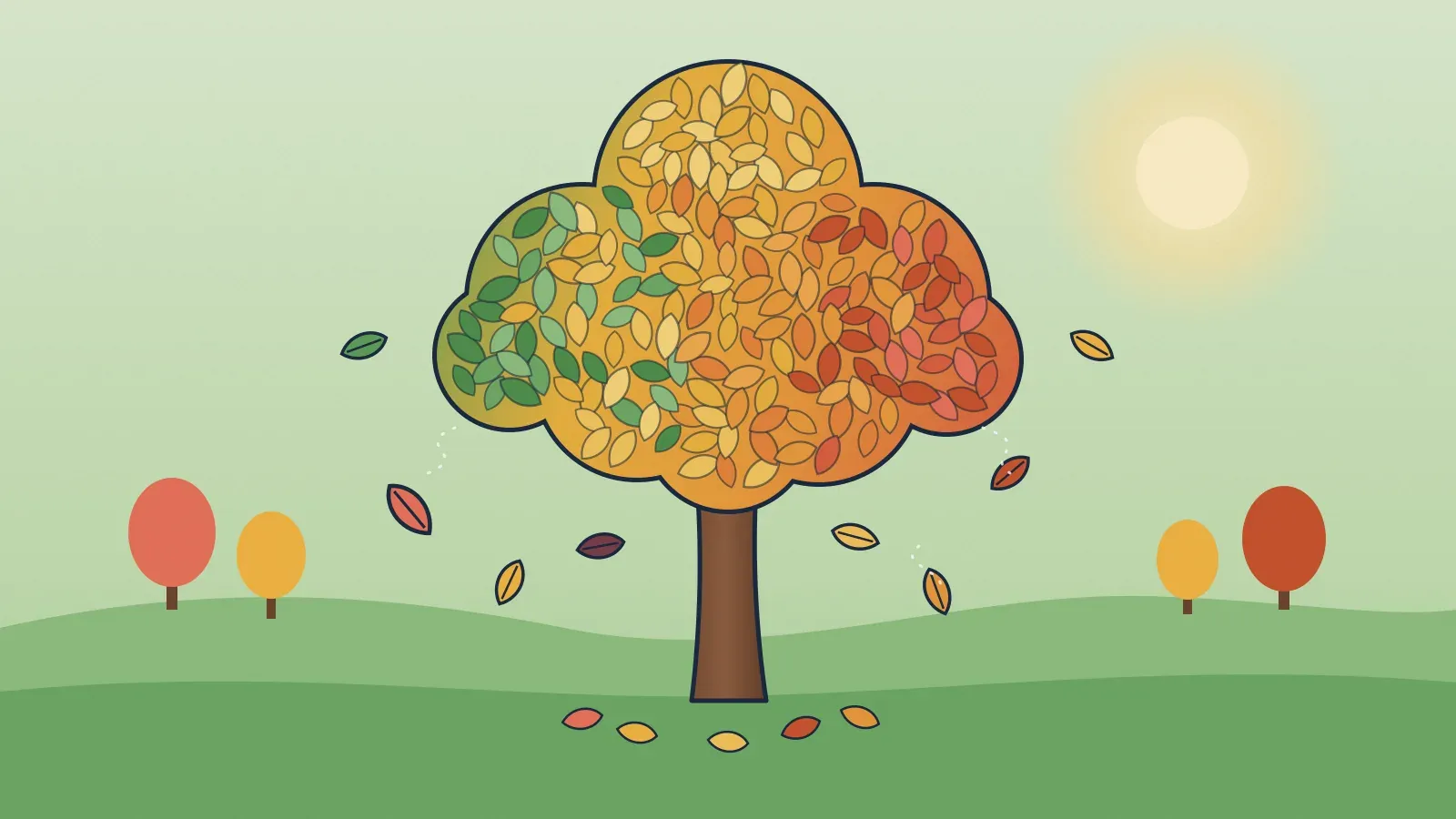
What Turns Autumn Leaves Yellow, Orange and Red
Green fades when trees stop making chlorophyll, revealing yellows that were in the leaf all along and reds made on the spot. Weather decides how bright the show will be, and a tropical climate explains why it is rare across much of Brazil.
November 3, 2026 - Nature
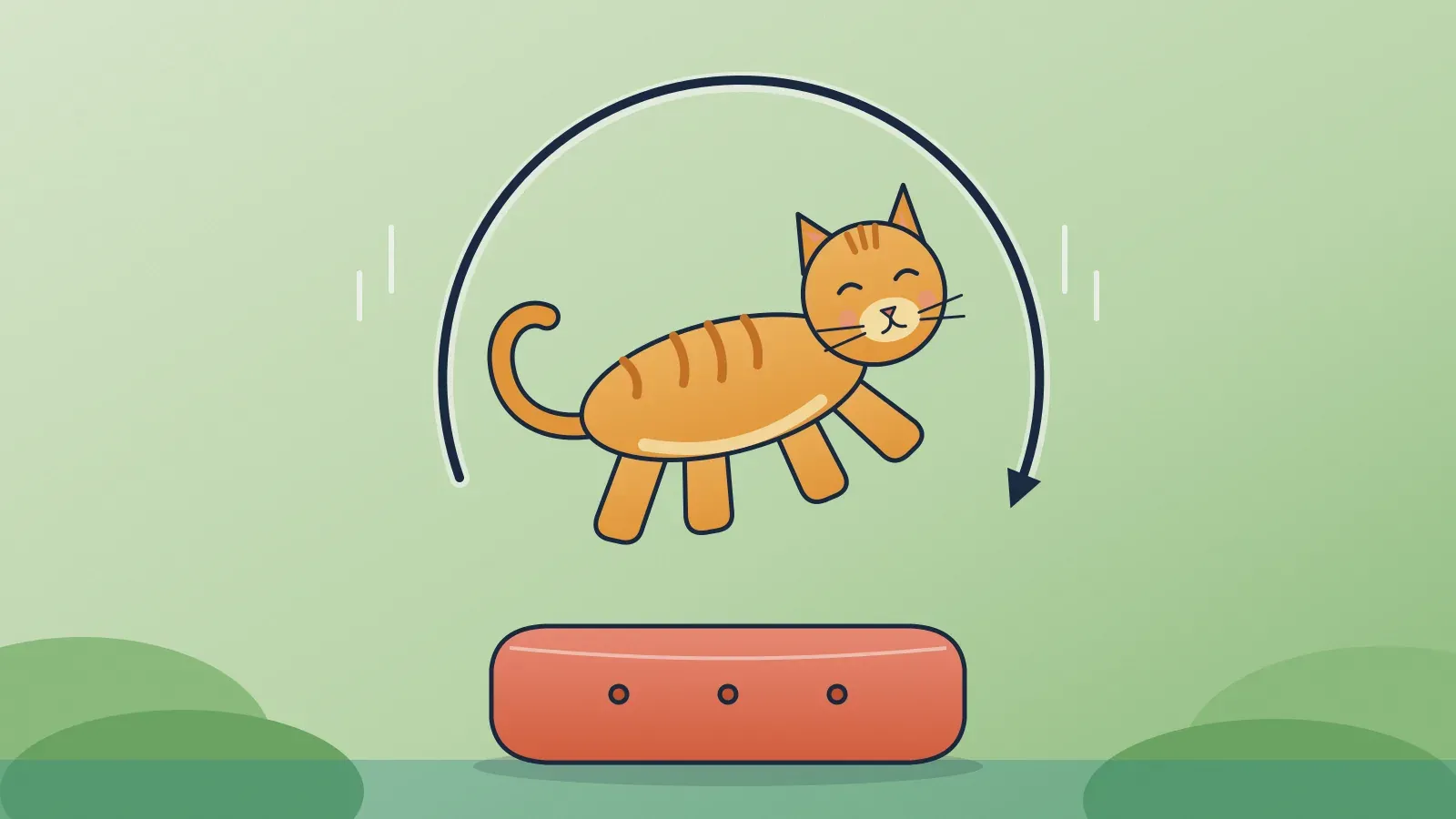
Why Cats (Almost) Always Land on Their Feet
A reflex that appears in the first weeks of life and a clever bit of physics let a cat flip over in midair with nothing to push against. But landing on its feet does not mean landing unhurt: falls from windows and balconies injure many cats every year.
November 3, 2026 - Nature
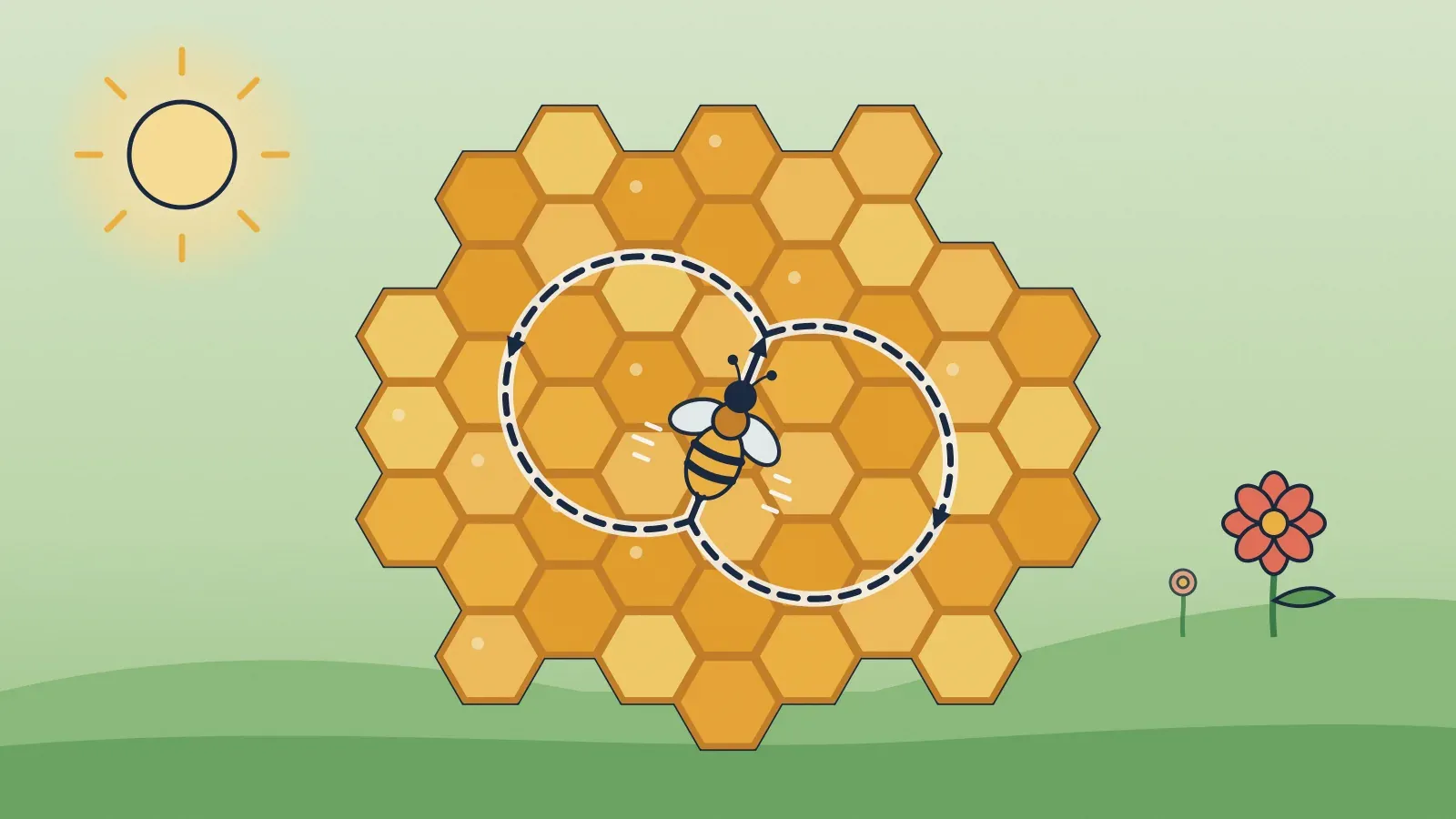
The Honeybee Waggle Dance: How Bees Give Directions to Food
Back at the hive, a honeybee uses a dance to signal the distance and direction of a food source, with the sun as its reference point. The discovery earned Karl von Frisch the 1973 Nobel Prize.
November 3, 2026 - Nature
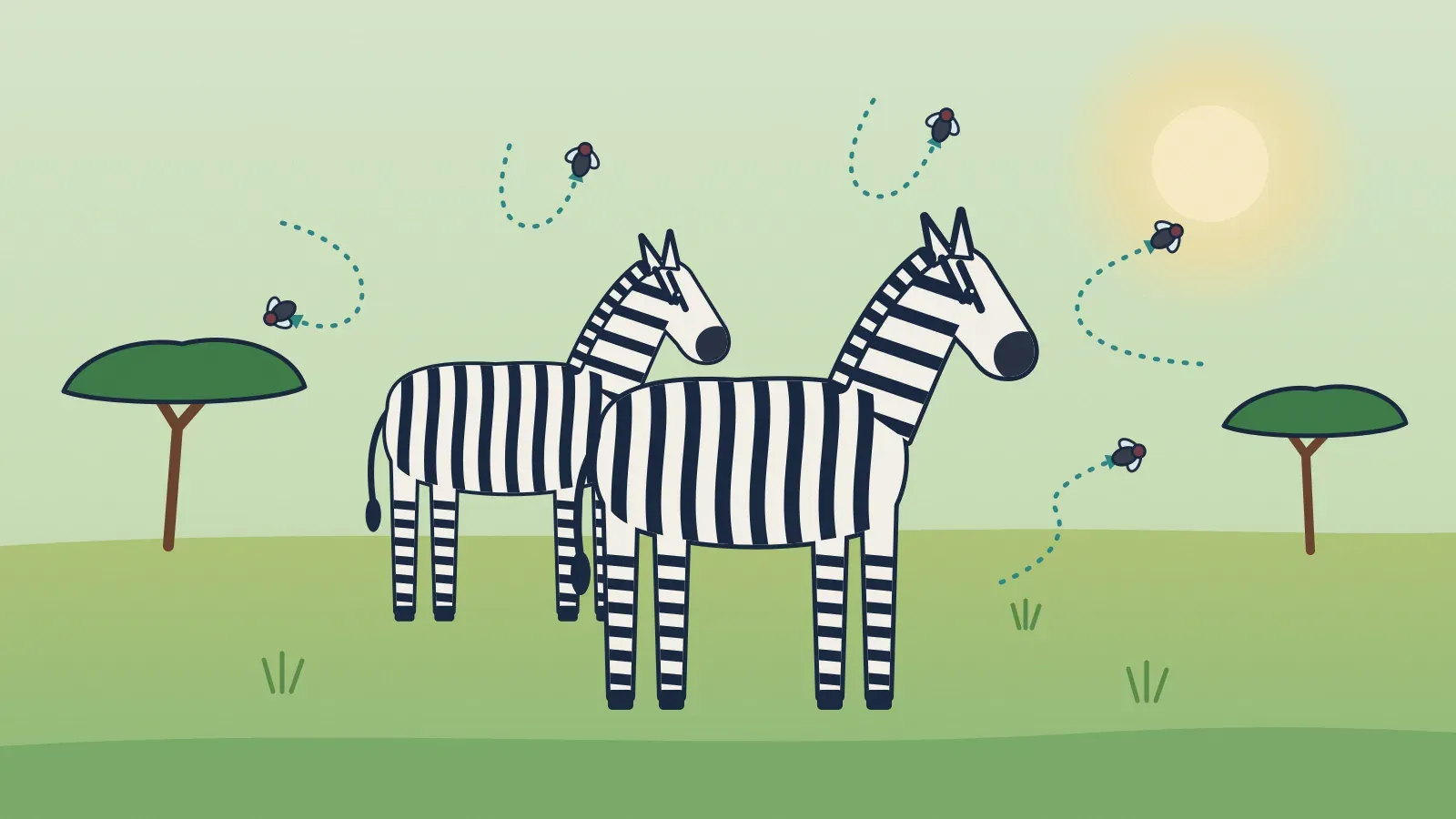
Why Do Zebras Have Stripes? What Science Knows So Far
Scientists have argued about the purpose of zebra stripes for more than 150 years. Today the explanation with the most experimental support is protection from biting flies, but camouflage, temperature and recognition are still part of the debate.
November 3, 2026 - Human Body
Why Tickling Works on Us but Never When We Do It Ourselves
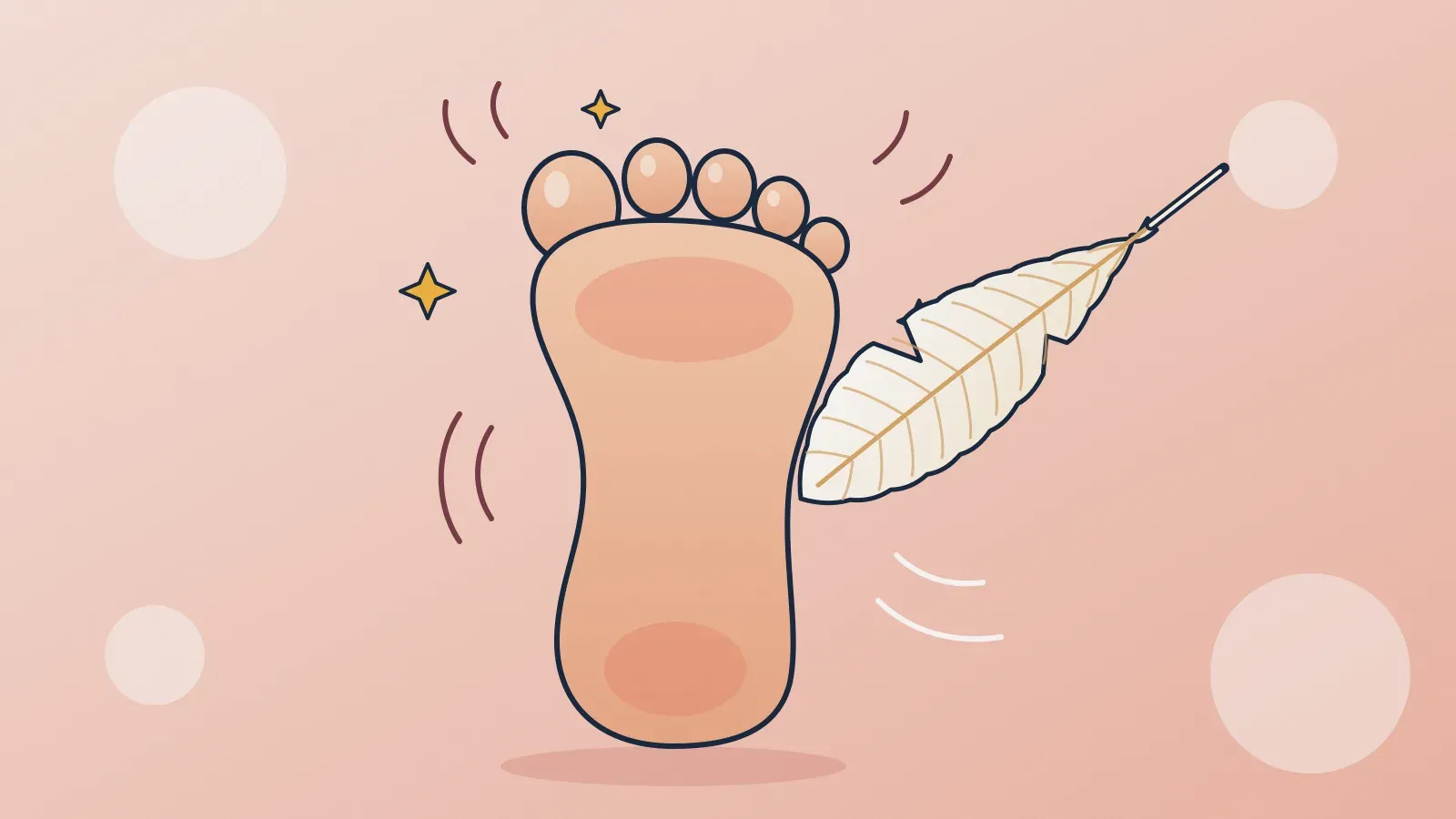
Tickling depends on surprise. When we move our own hand, the brain predicts the touch and dampens it, and experiments with robots have shown how that mechanism works.
November 3, 2026 - Human Body
Why Your Fingertips Wrinkle in Water (It's Not Just Soggy Skin)
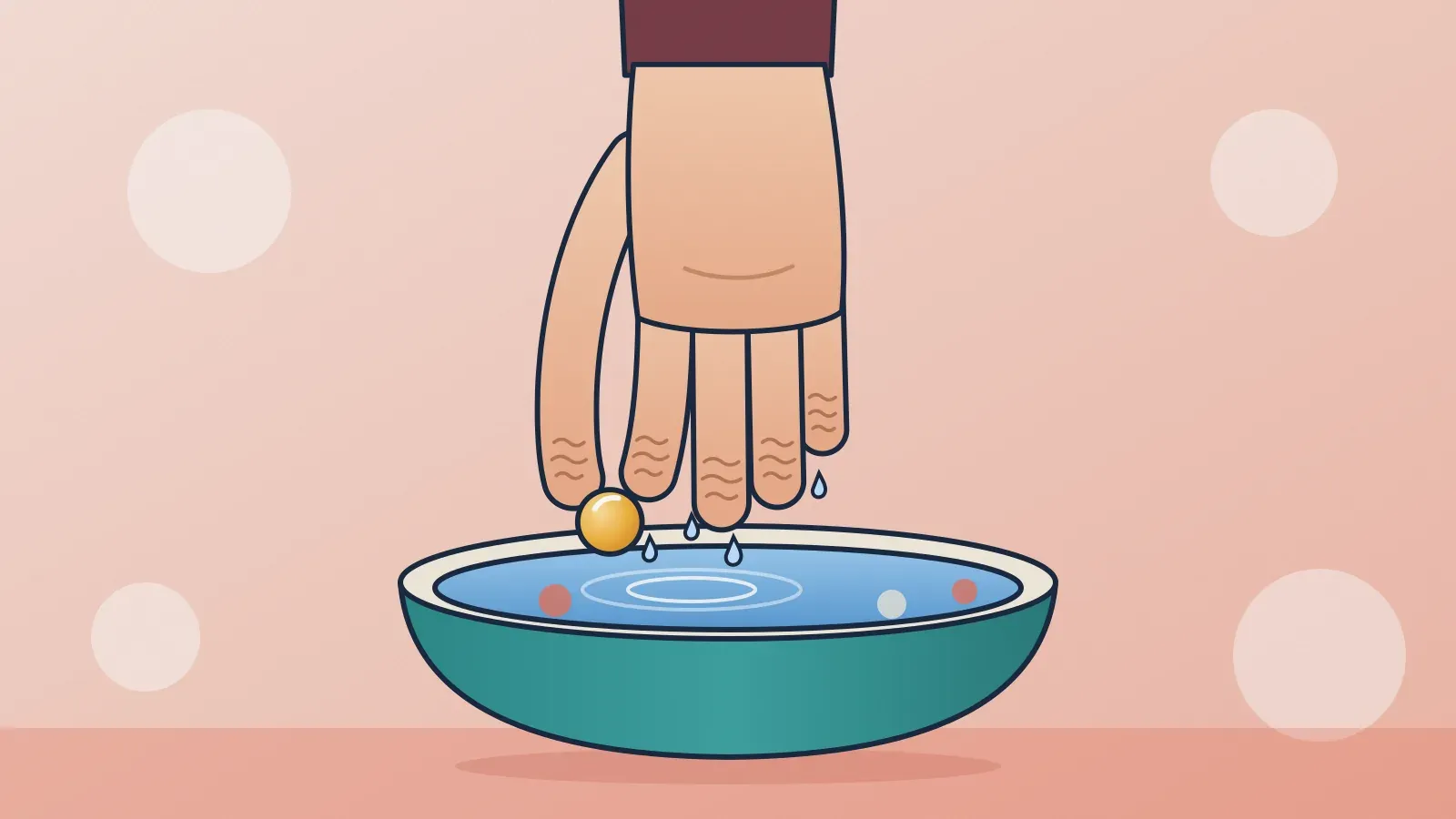
Pruney fingers after a bath are the work of the nervous system, which narrows the blood vessels under the skin. Why it happens is still debated: the idea that it improves grip on wet surfaces has studies for and against it.
November 3, 2026 - Human Body
Goosebumps: Why Our Skin Prickles in the Cold, in Fear and With Great Music
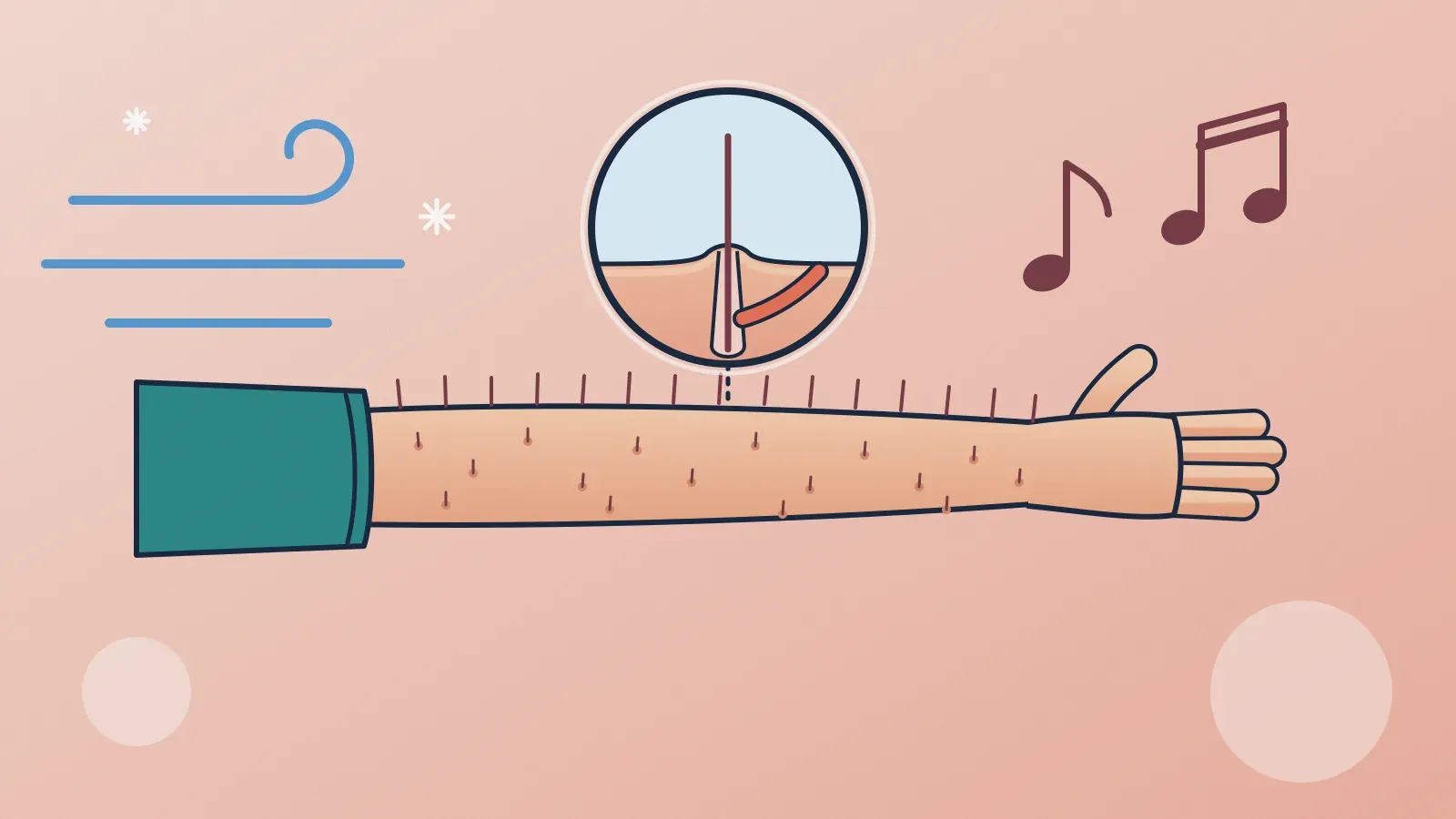
Tiny muscles attached to each hair contract and raise the skin. It's a legacy from when our ancestors had fur, and the same reflex shows up during strong emotions, such as hearing a moving piece of music.
November 3, 2026 - Human Body
Why Your Own Voice Sounds So Strange on a Recording
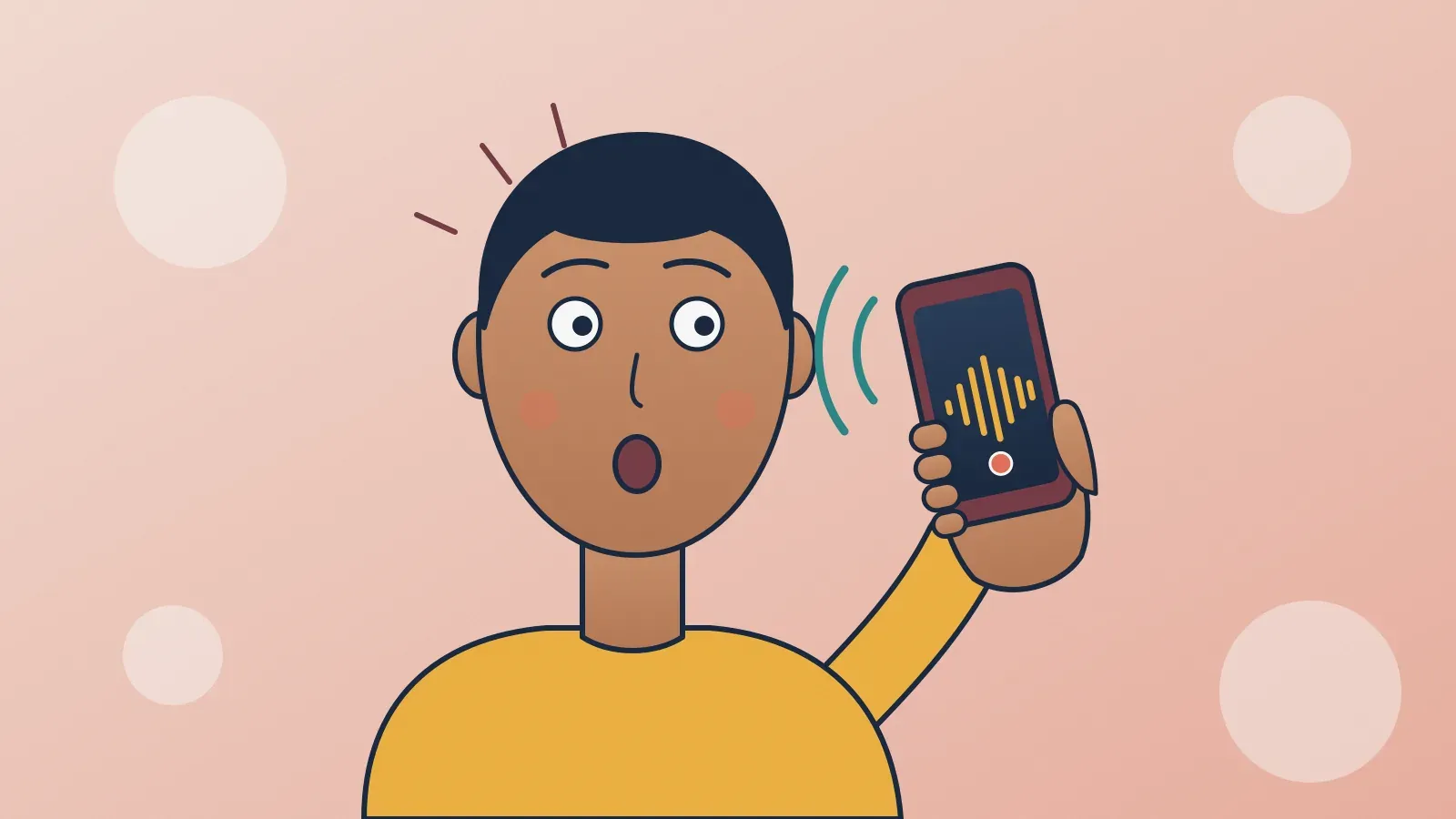
When we speak, we hear our voice through the air and also through vibrations in the skull, which boost the low tones. A recording captures only the sound that travels through the air, so it seems thinner and higher, and it catches us off guard.
November 3, 2026 - Practical Tips
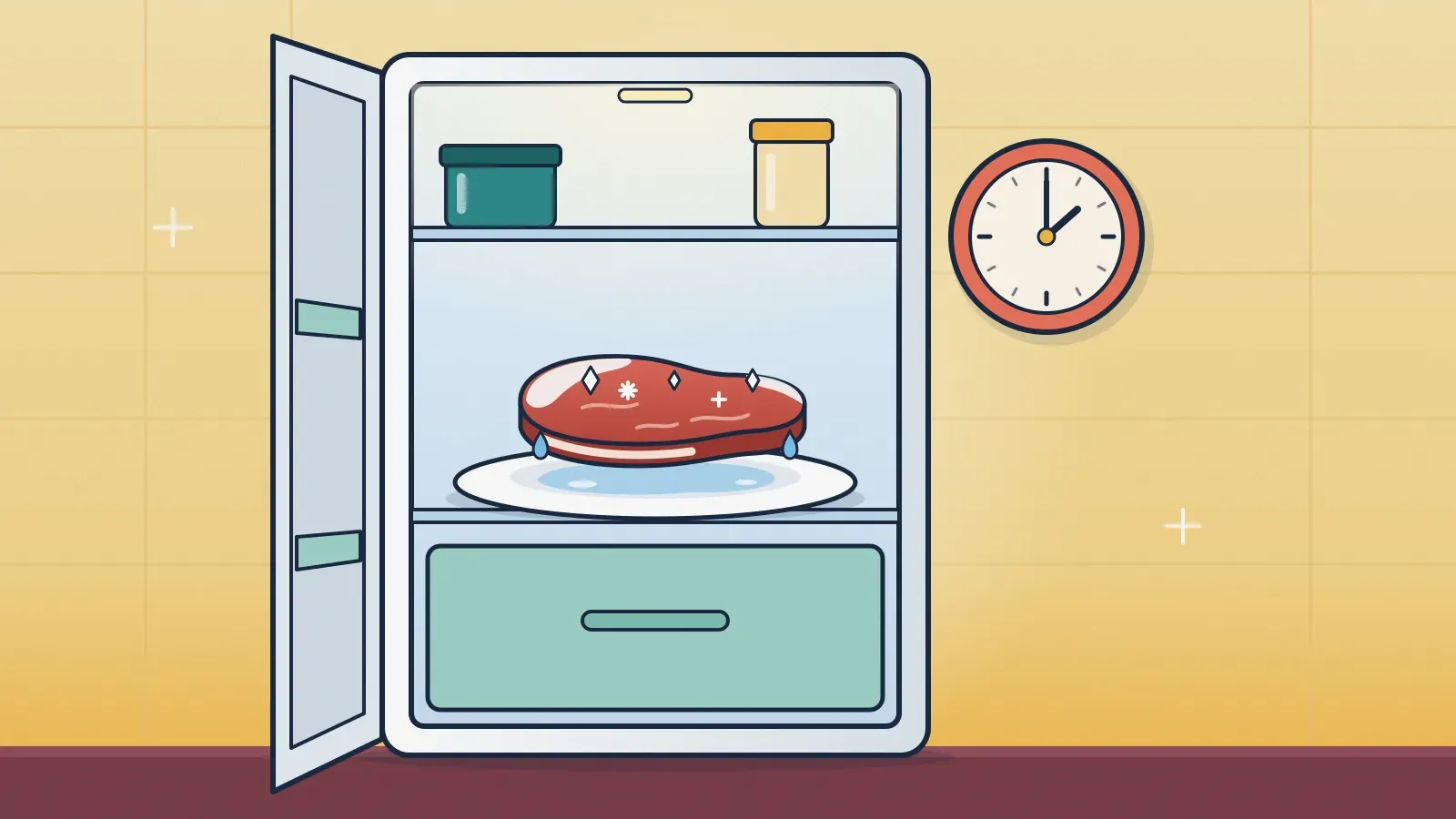
How to thaw food safely (and why the countertop is a bad idea)
Fridge, cold water or microwave: the three methods food safety agencies recommend, how long each one takes and when refreezing is acceptable.
November 3, 2026 - Practical Tips
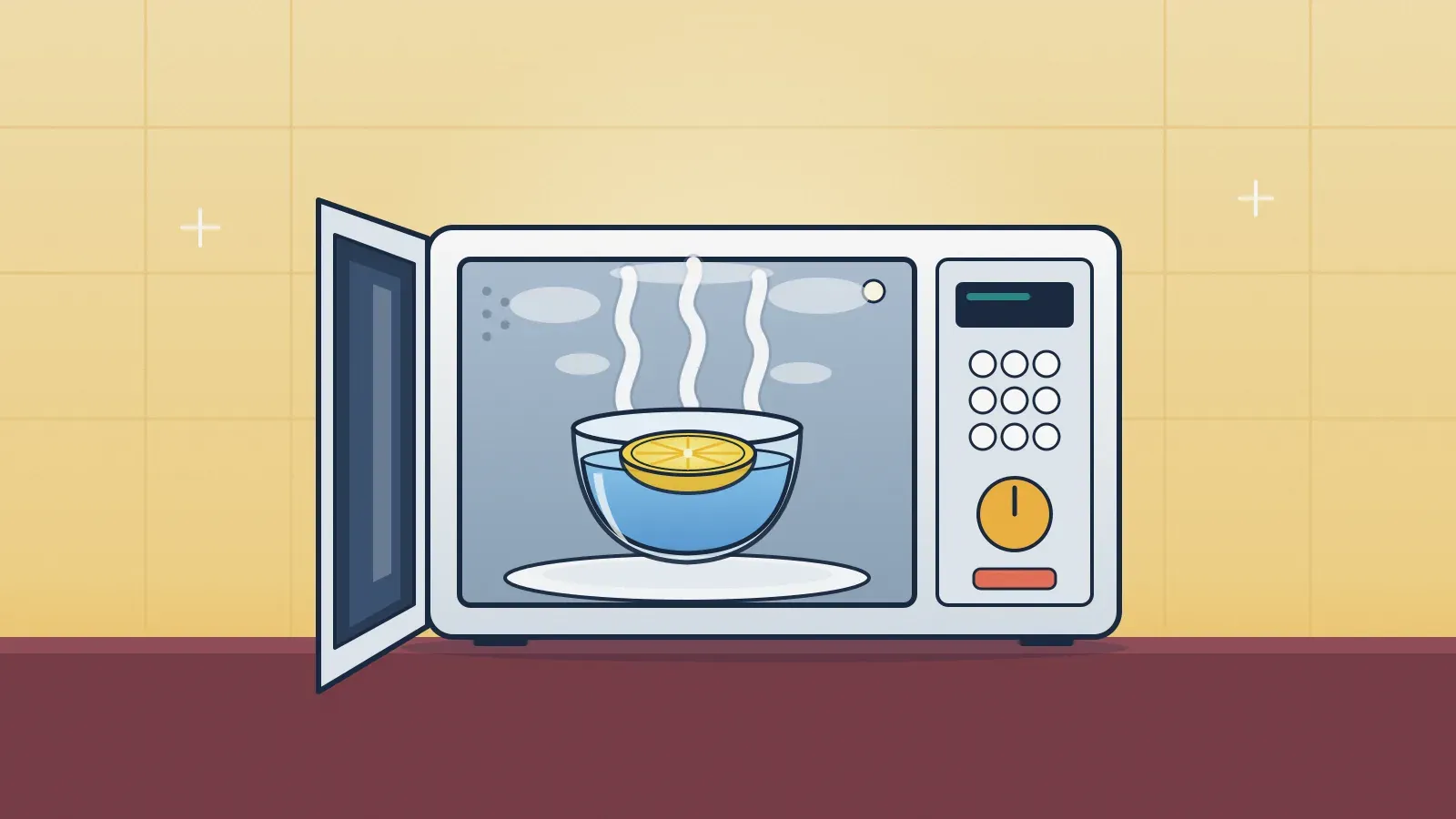
How to steam-clean your microwave with lemon or vinegar
A bowl of water in the microwave softens stuck-on grime and makes cleaning easy. Here is the step-by-step, the risk of superheated water and what never to use on the appliance.
November 3, 2026 - Practical Tips
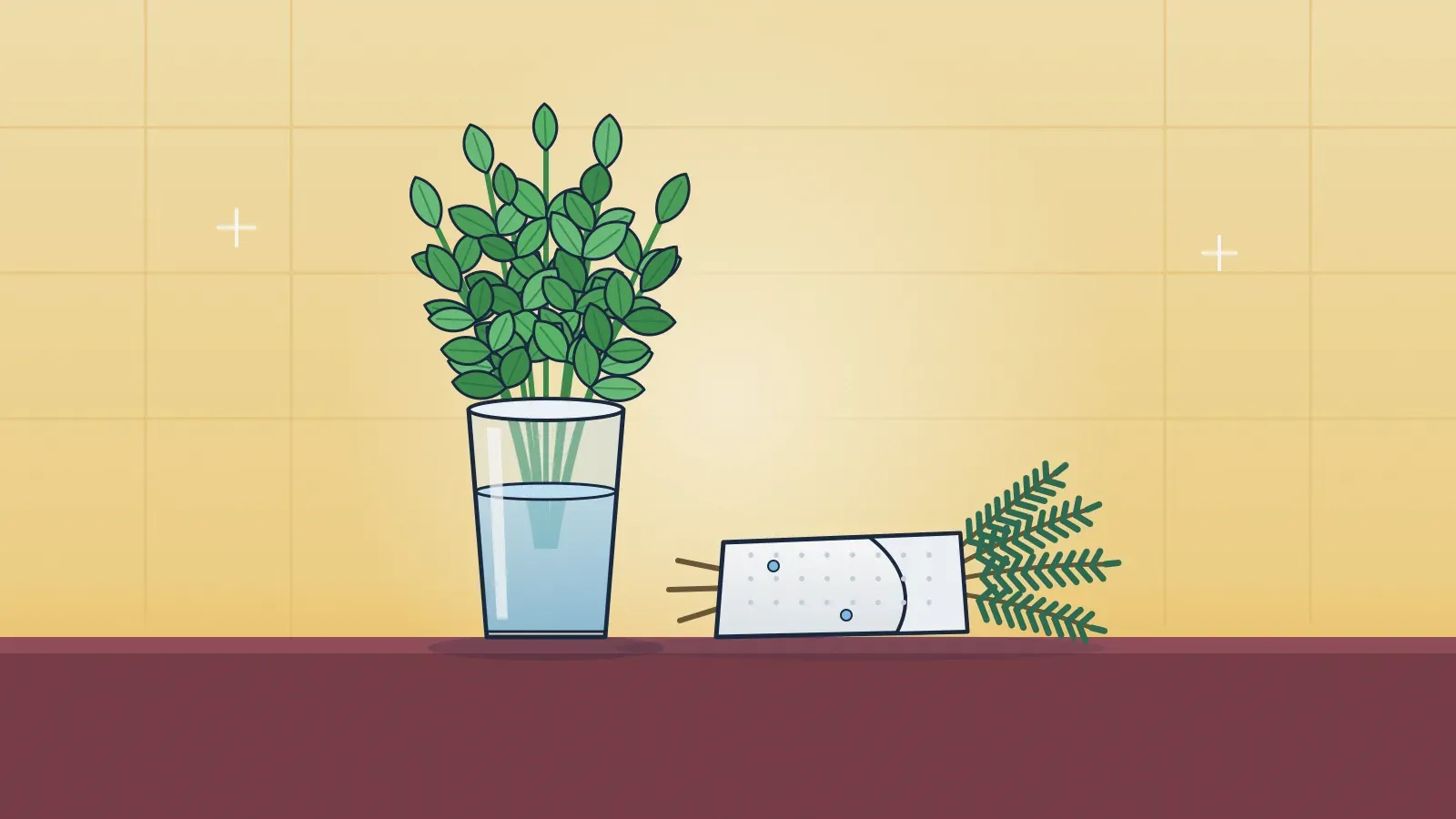
How to keep fresh herbs fresh for longer
Parsley and cilantro like a glass of water, rosemary and thyme prefer a damp paper towel, and basil suffers in the fridge. Here is how to store each type and how to freeze them.
November 3, 2026 - Practical Tips
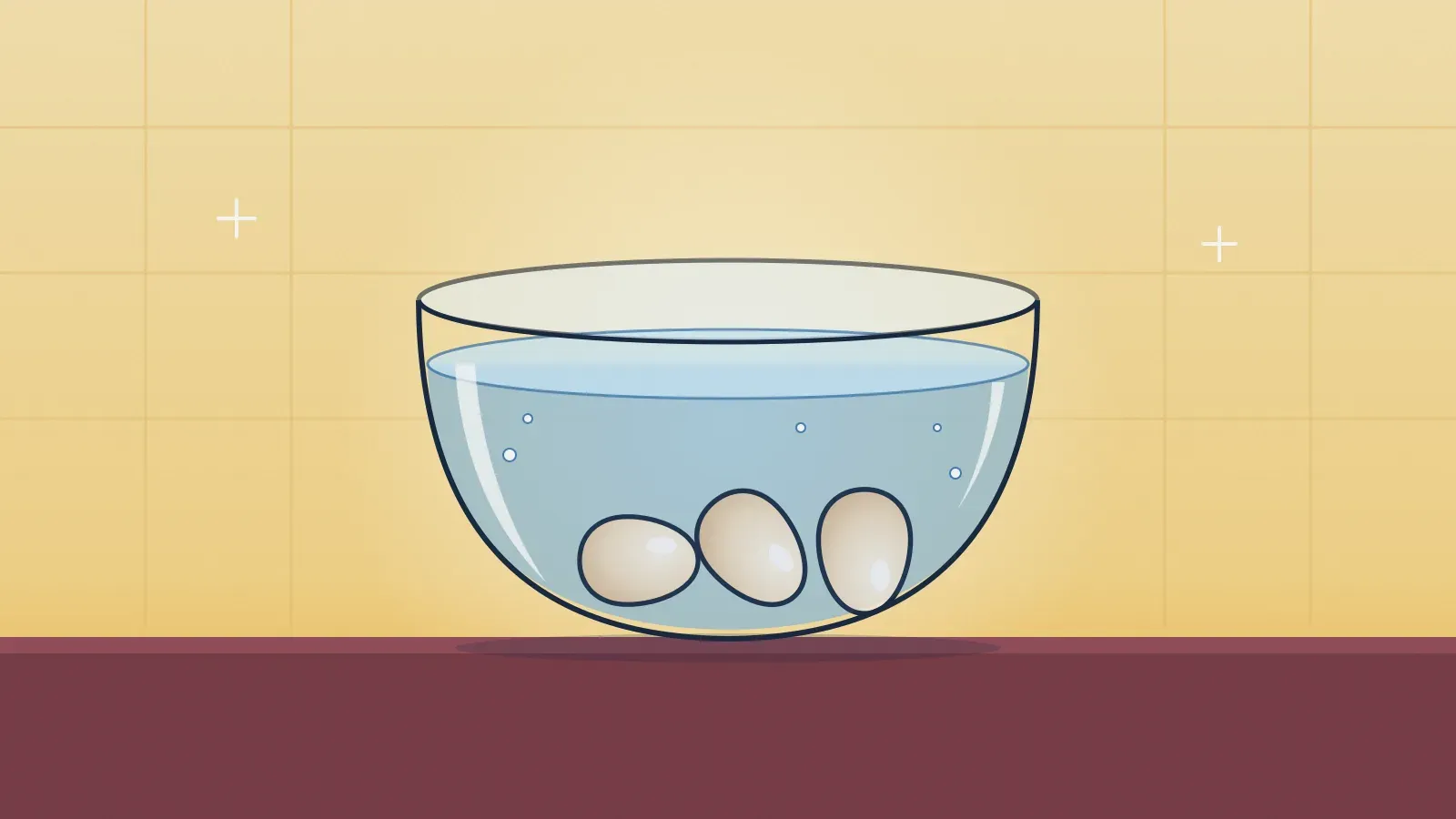
How to tell if an egg is fresh (and what the float test can't tell you)
The float test reveals an egg's age thanks to its air cell, but not whether it is safe. Here is how to read the test, the date and the smell, and why storage advice changes from country to country.
November 3, 2026