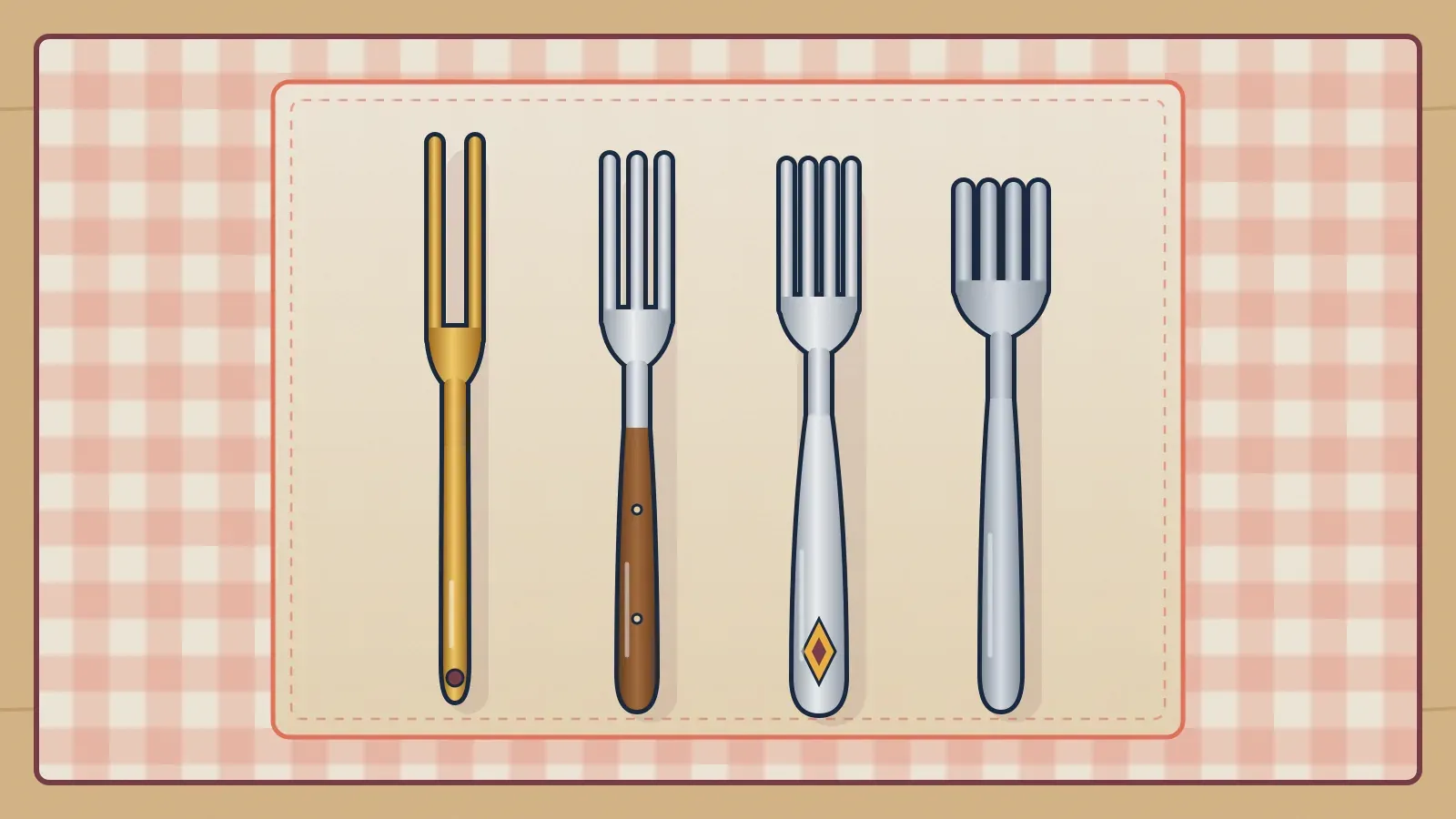
How people cleaned their teeth before the modern toothbrush
Chew sticks, powders of ash and shell, Chinese hog-bristle brushes and, only in 1938, nylon bristles. Here is how tooth cleaning evolved over thousands of years.
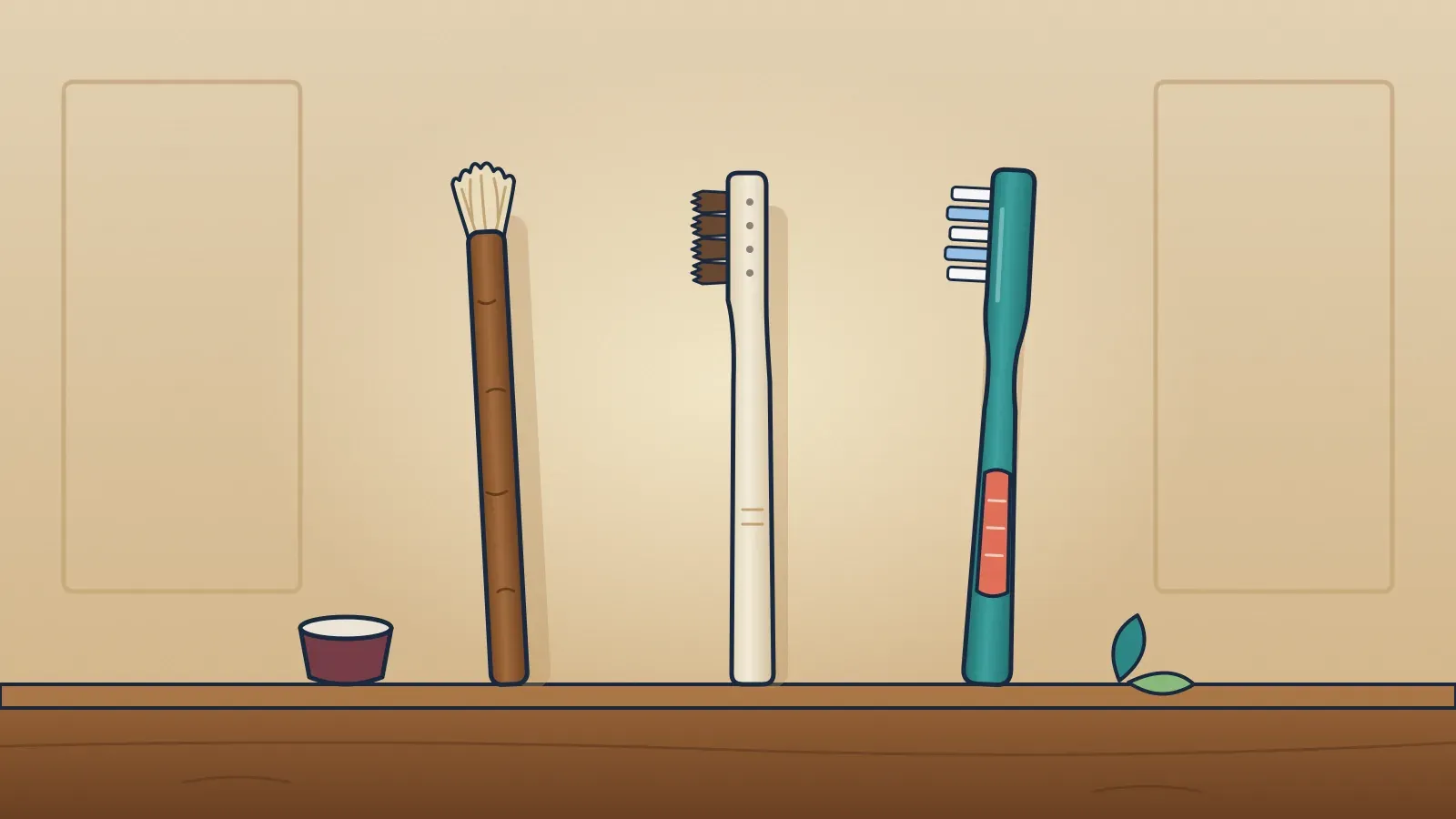
Brushing with a plastic-handled, nylon-bristled toothbrush is a recent habit, less than a century old. But the desire for clean teeth and fresh breath is ancient. Before the modern brush, people used twigs, abrasive powders, cloths and, later, brushes made with animal bristles. Here is how the story unfolded, with the dates sources agree on and the ones still under debate.
Chew sticks: the oldest toothbrush
The first tool was a simple twig. By chewing one end, people frayed the wood fibers into a kind of brush, which was then rubbed against the teeth. According to historical surveys, the oldest known chew sticks come from Sumer, in southern Mesopotamia, around 3500 BC. A chew stick was also found in an Egyptian tomb dating to about 3000 BC, and the Romans used sticks with frayed ends.
The best-known example still in use is the miswak, or siwak, usually cut from the Salvadora persica tree. It has been used for centuries in the Middle East, South Asia and parts of Africa, and it holds special importance in Islamic tradition. The World Health Organization recommended it in 1986, but an international consensus report on oral hygiene published in 2000 concluded that more research was needed to confirm its effects. Anyone thinking of using it should talk to a dentist before swapping it for a toothbrush.
Powders, ashes and shells
Besides the tool, there was what to put on it. Ancient peoples mixed abrasive substances to scrape away debris and others to sweeten the breath. Ingredients varied widely by period and place.
- Ancient Egypt: powders with ox-hoof ash, myrrh, burnt eggshell and pumice, according to historical accounts.
- Greeks and Romans: crushed bones and oyster shells, powdered charcoal and tree bark, with flavorings.
- An Egyptian papyrus from the 4th century AD, kept at the Austrian National Library: a recipe with rock salt, mint, dried iris flower and pepper.
- Medieval and early modern Europe: toothpicks of quill, silver or copper after meals, and rough cloths for rubbing the teeth.
The bristle brush is born in China
The brush with bristles fixed to a handle, similar to today's, appeared in China, but the date is disputed. Some sources place it in the Tang dynasty, between 619 and 907. The US Library of Congress gives 1498. There is also a record from 1223: the Japanese monk Dogen described Chinese monks cleaning their teeth with horsehair brushes. The consensus is that the Chinese used stiff hog bristles attached to bamboo or bone handles.
The idea reached Europe and spread during the 17th century. Europeans often preferred horsehair, which is softer than hog bristle. The earliest written record of the English word toothbrush dates from 1690.
William Addis and mass production
The industrial turn has a colorful protagonist. Around 1770, the Englishman William Addis was jailed for his alleged part in a riot. According to the traditional account, in prison he drilled holes in a piece of bone, threaded tufts of bristle through them and fixed them with wire. After his release he started a business and, around 1780, began producing toothbrushes in large numbers. In the United States, the first toothbrush patent was granted to H. N. Wadsworth in 1857.
Nylon changes everything
Until the 1930s, bristles were still animal hair, and handles were bone, wood or, from the late 19th century, celluloid. With the war between China and Japan from 1937, the supply of hog bristles was disrupted. That is the context in which nylon bristles appeared, made from the material recently created by an American chemical company: the first nylon-bristled toothbrush went on sale in 1938. The new bristles were sturdier and more effective than animal hair.
The daily habit also took time to catch on. In the United States, for example, regular brushing became widespread after World War II, when soldiers came home with the hygiene routines they had learned in the military.
The modern toothbrush is the result of thousands of years of trial and error: from the frayed twig to hog bristle and, finally, nylon. Today, oral health guidance typically includes brushing twice a day with fluoride toothpaste and replacing the brush when the bristles are worn. For advice suited to your own case, see a dentist.