Human Body
Why we're ticklish, why our fingers wrinkle in water, why our own voice sounds strange on a recording. Explanations of how the body works, so you can understand what happens to you every day.
- Human Body
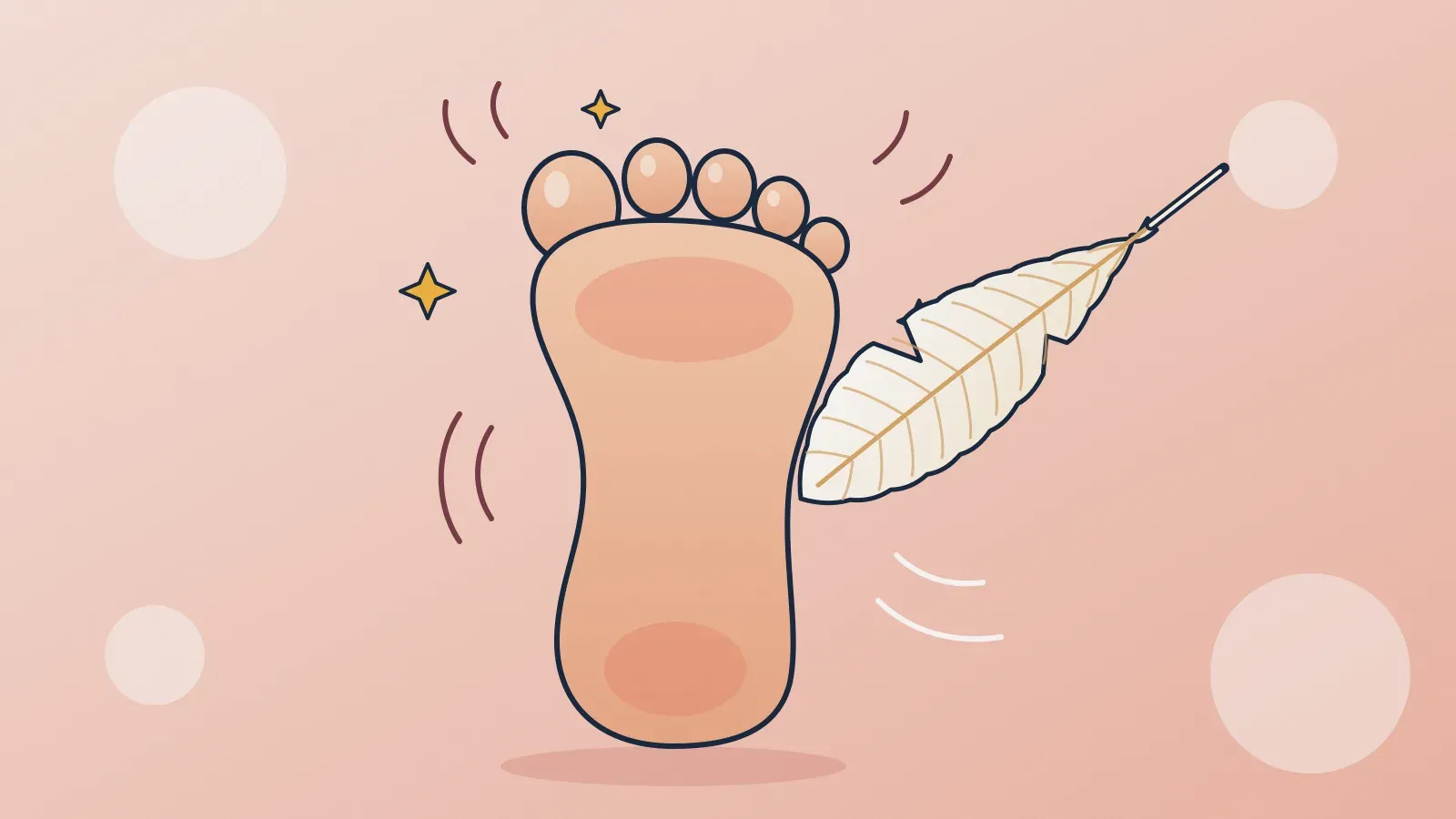
Why Tickling Works on Us but Never When We Do It Ourselves
Tickling depends on surprise. When we move our own hand, the brain predicts the touch and dampens it, and experiments with robots have shown how that mechanism works.
November 3, 2026 - Human Body
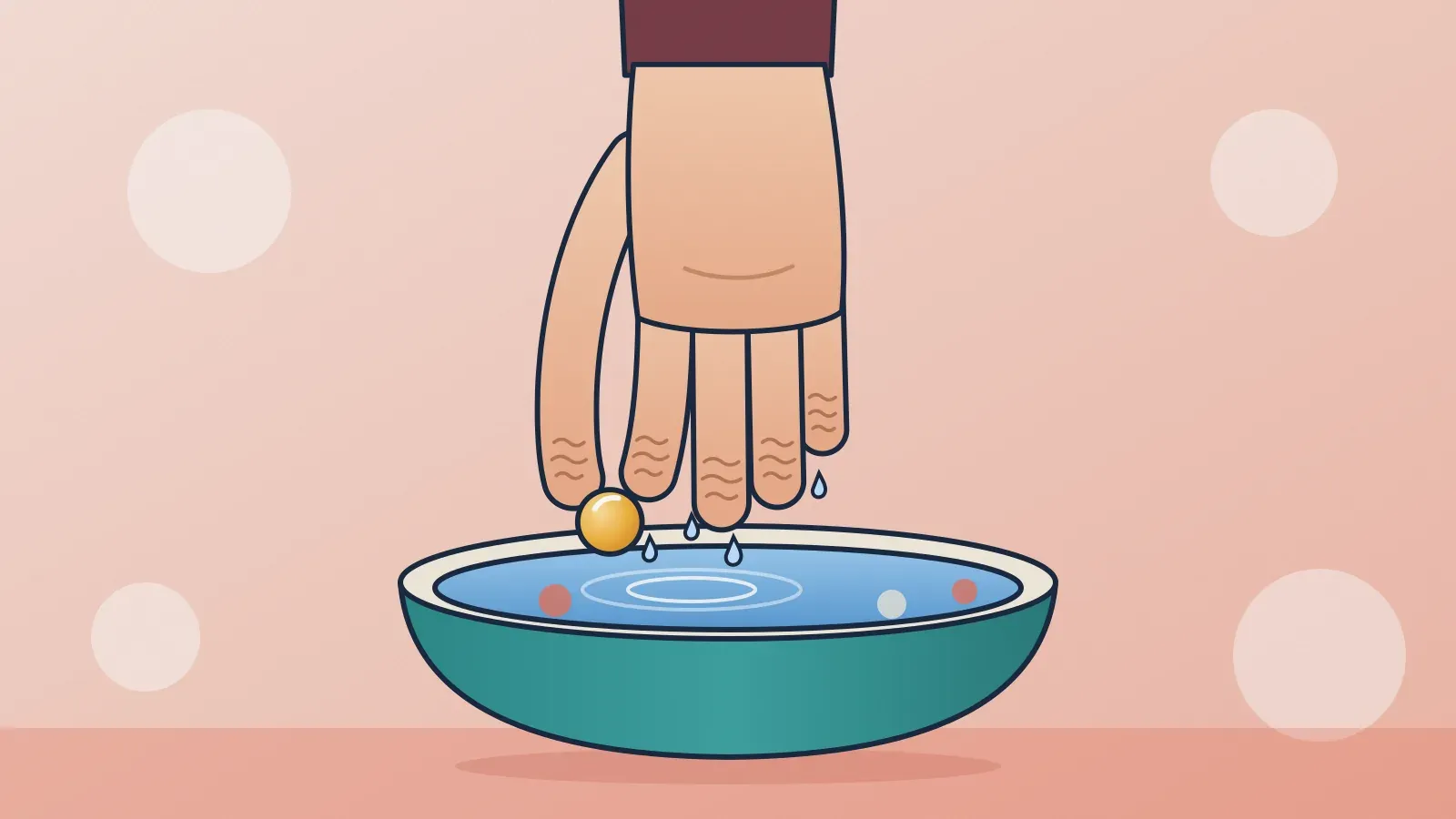
Why Your Fingertips Wrinkle in Water (It's Not Just Soggy Skin)
Pruney fingers after a bath are the work of the nervous system, which narrows the blood vessels under the skin. Why it happens is still debated: the idea that it improves grip on wet surfaces has studies for and against it.
November 3, 2026 - Human Body
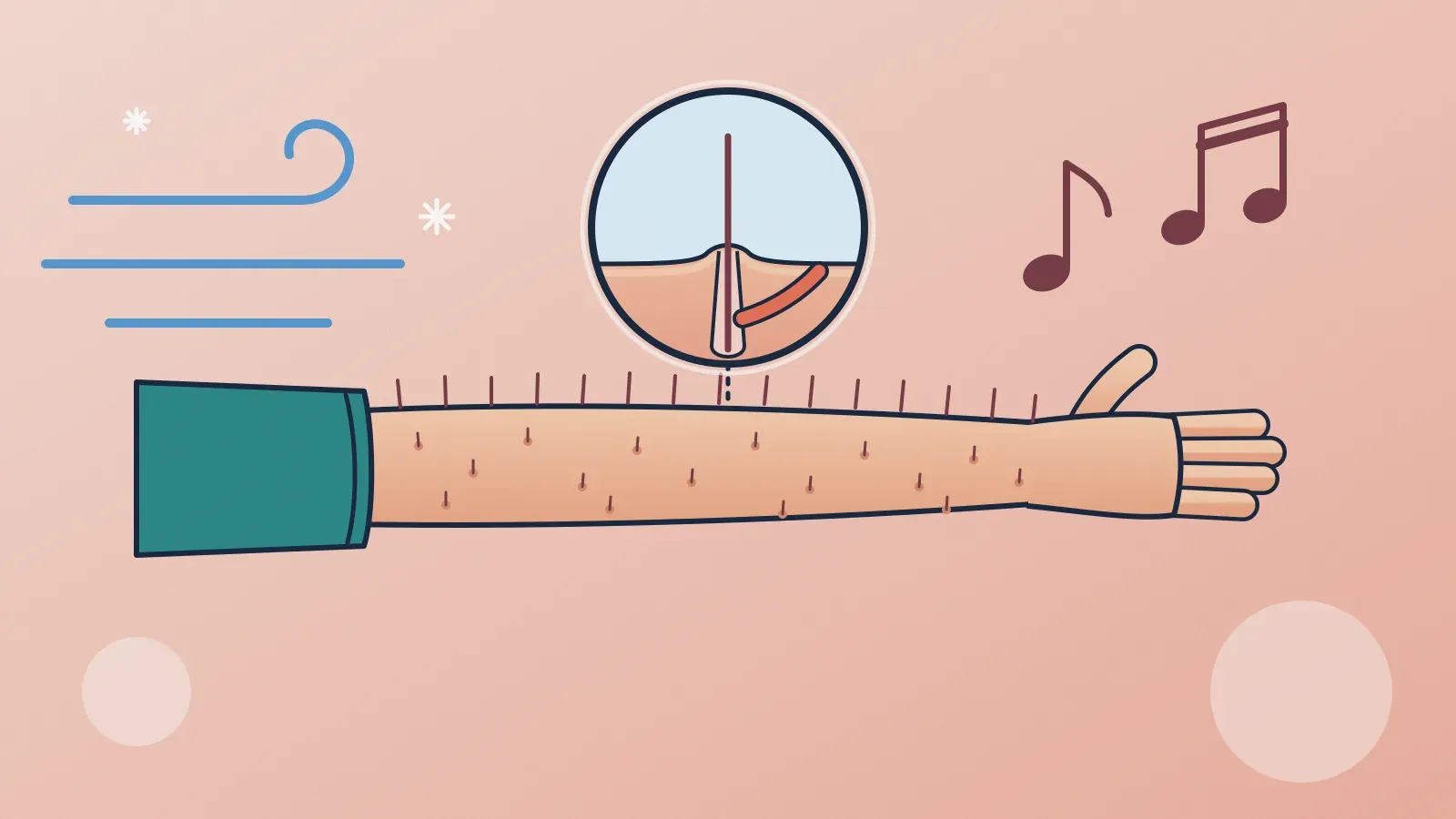
Goosebumps: Why Our Skin Prickles in the Cold, in Fear and With Great Music
Tiny muscles attached to each hair contract and raise the skin. It's a legacy from when our ancestors had fur, and the same reflex shows up during strong emotions, such as hearing a moving piece of music.
November 3, 2026 - Human Body
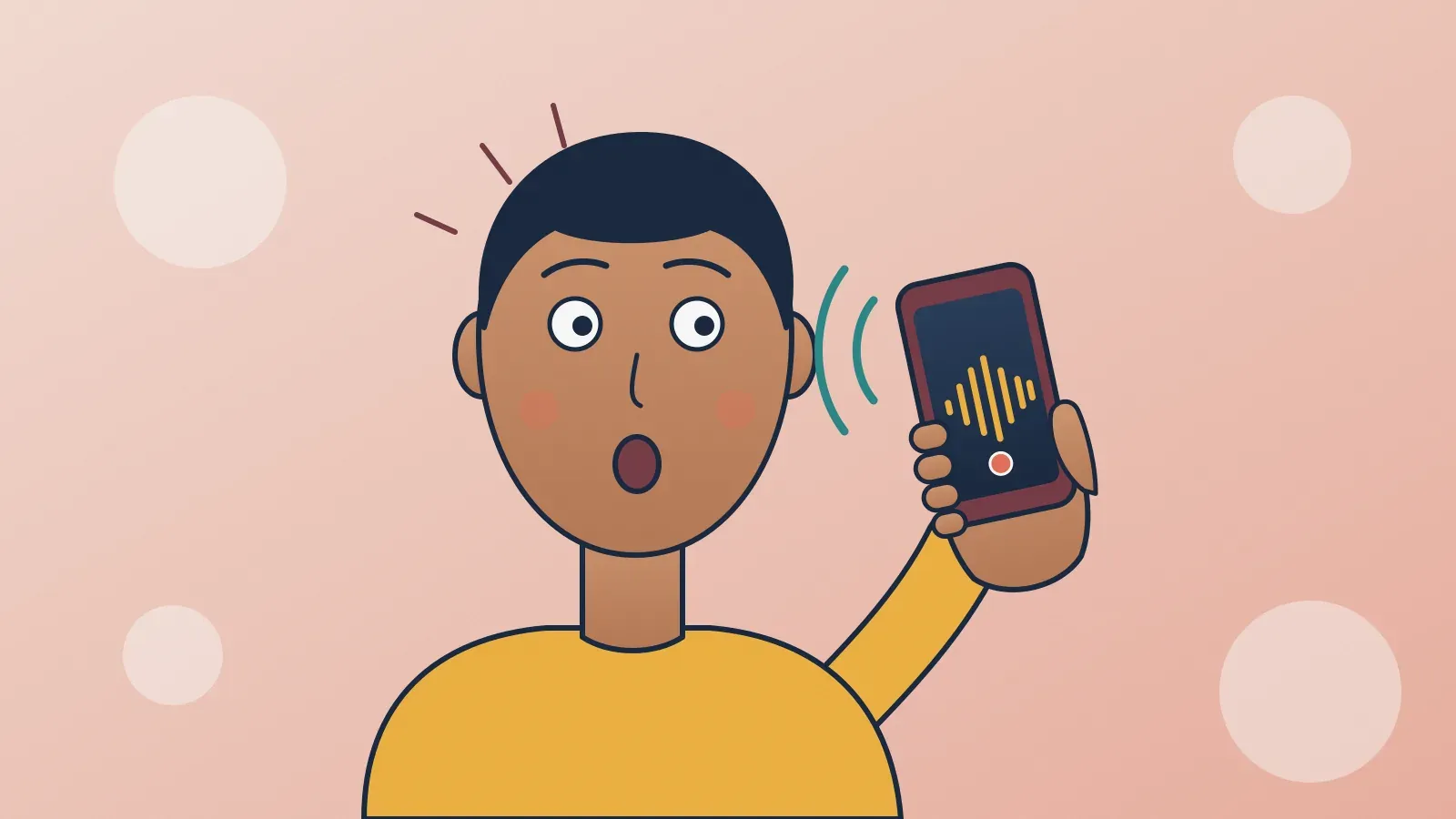
Why Your Own Voice Sounds So Strange on a Recording
When we speak, we hear our voice through the air and also through vibrations in the skull, which boost the low tones. A recording captures only the sound that travels through the air, so it seems thinner and higher, and it catches us off guard.
November 3, 2026 - Human Body
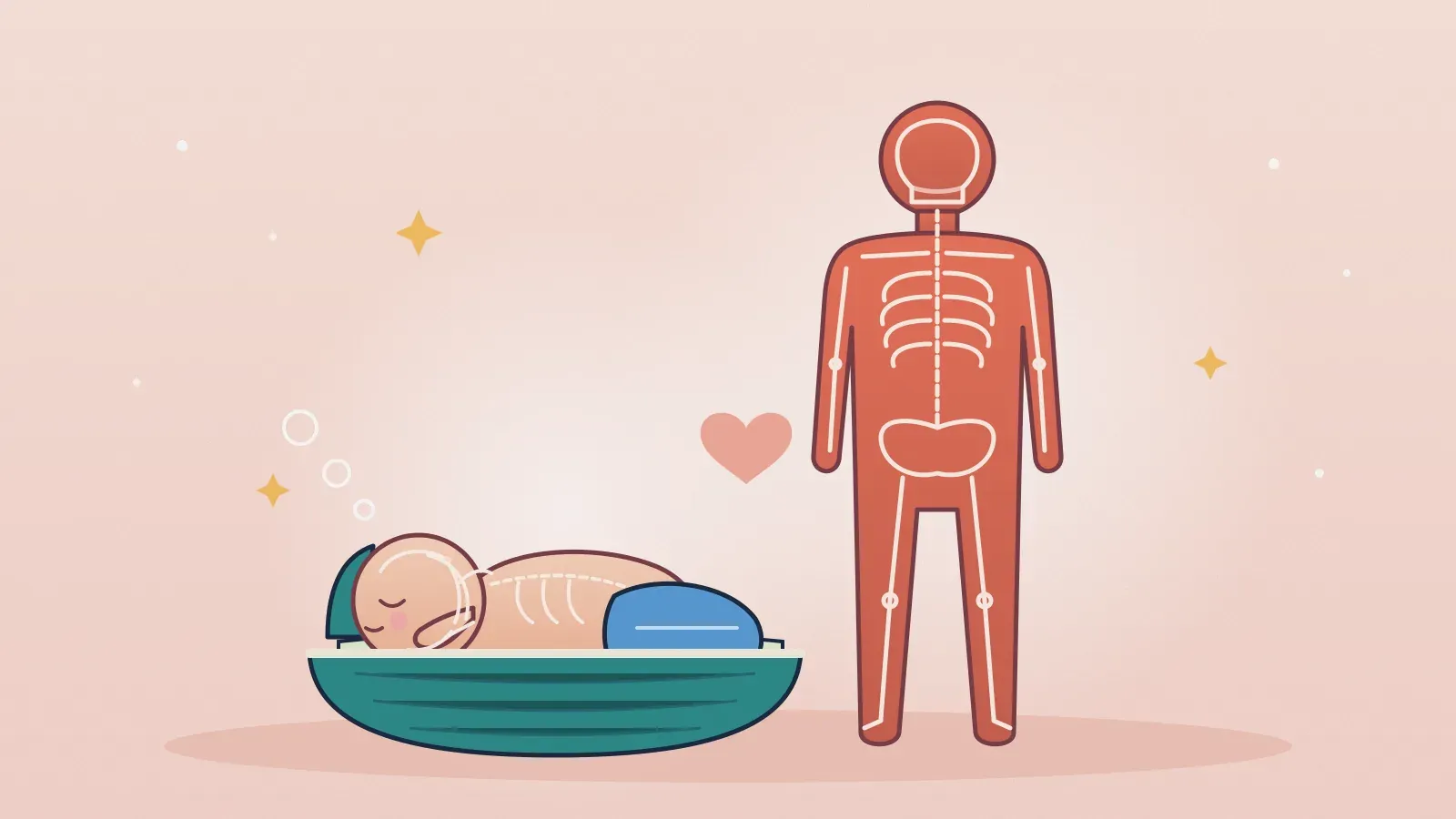
Why Babies Are Born With More Bones Than Adults
A newborn has around 300 separate bony pieces, yet an adult ends up with 206. The difference comes from bones fusing together through childhood and early adulthood.
November 3, 2026 - Human Body
Why Do We Yawn? What Science Knows and What Is Still a Mystery
Yawning is not just about being sleepy or short on oxygen. Here are the main scientific hypotheses, which ones have the most evidence and why yawns spread from person to person.
November 3, 2026 - Human Body
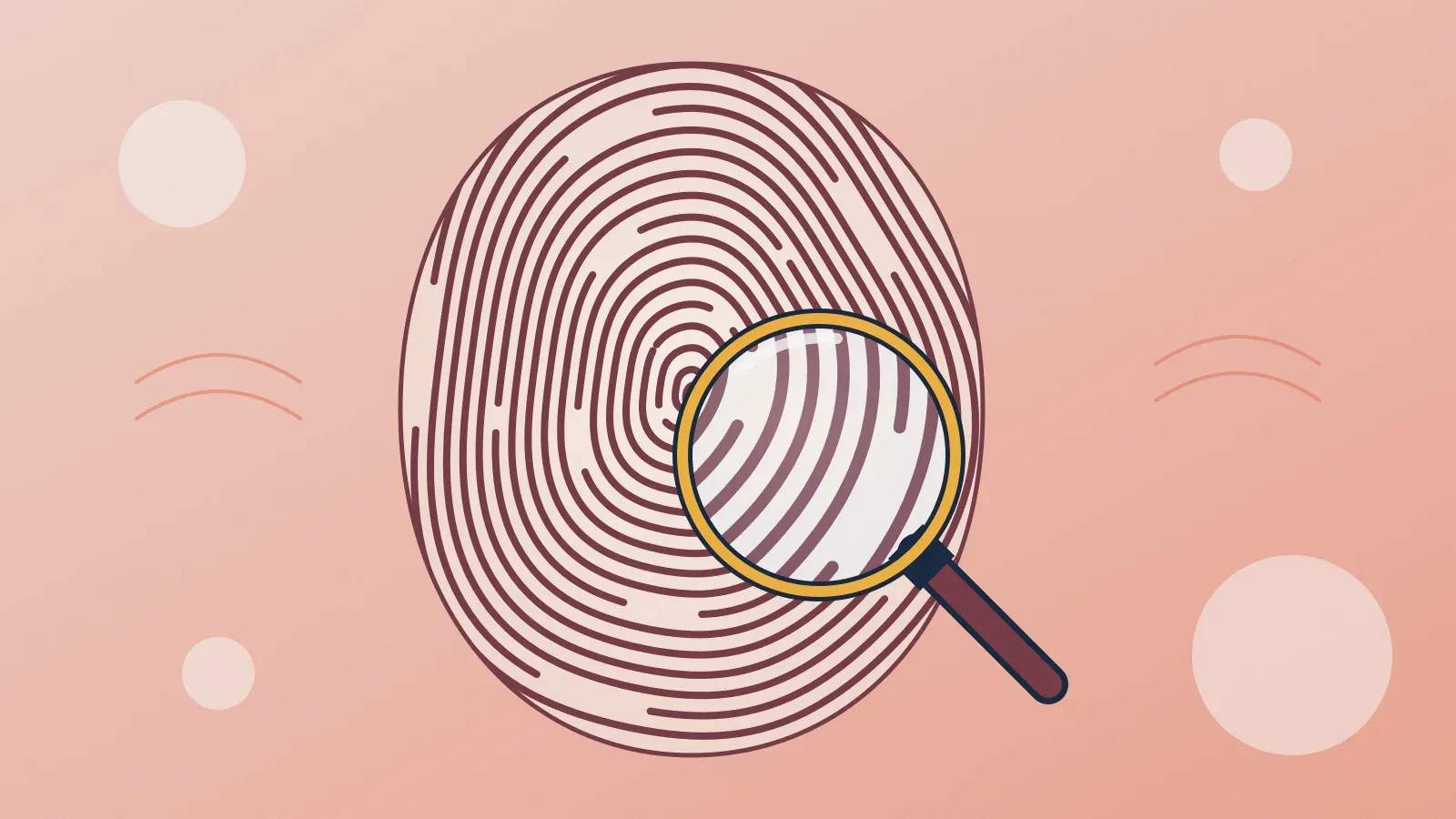
Fingerprints: How They Form in the Womb and Why No Two Are Alike
Fingerprints are set before birth, and not even identical twins share them. Here is how the ridges form and what makes each pattern unique.
November 3, 2026 - Human Body
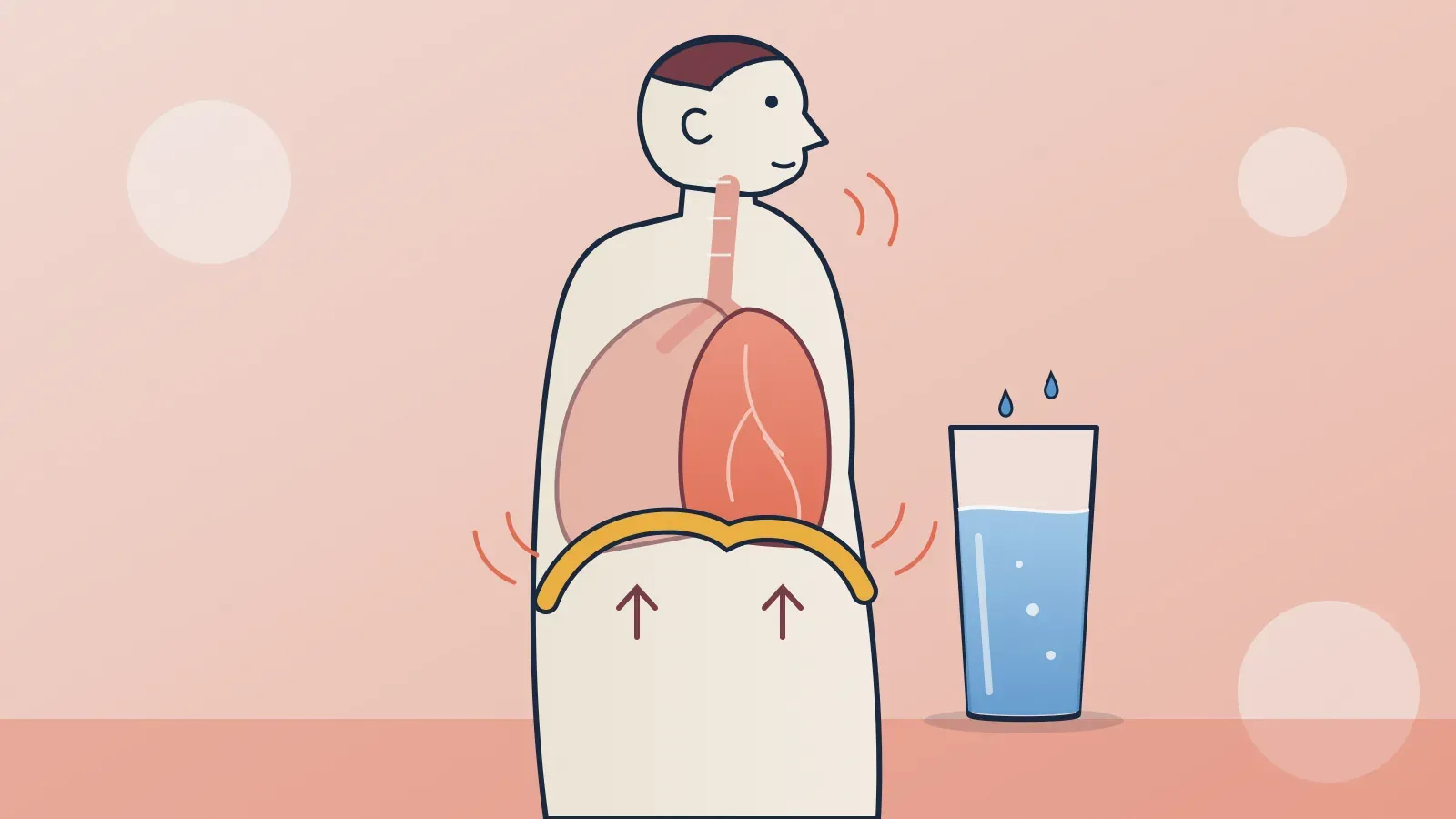
Hiccups Explained: What They Are and Why They Happen
Hiccups are a reflex involving the diaphragm and a sudden closing of the vocal cords. Learn what triggers them, what is known about popular cures and when to see a doctor.
November 3, 2026