Nature
Why leaves change color, how cats land on their feet, how bees communicate, what zebra stripes are for. Curiosities about animals and plants, explained by science.
- Nature
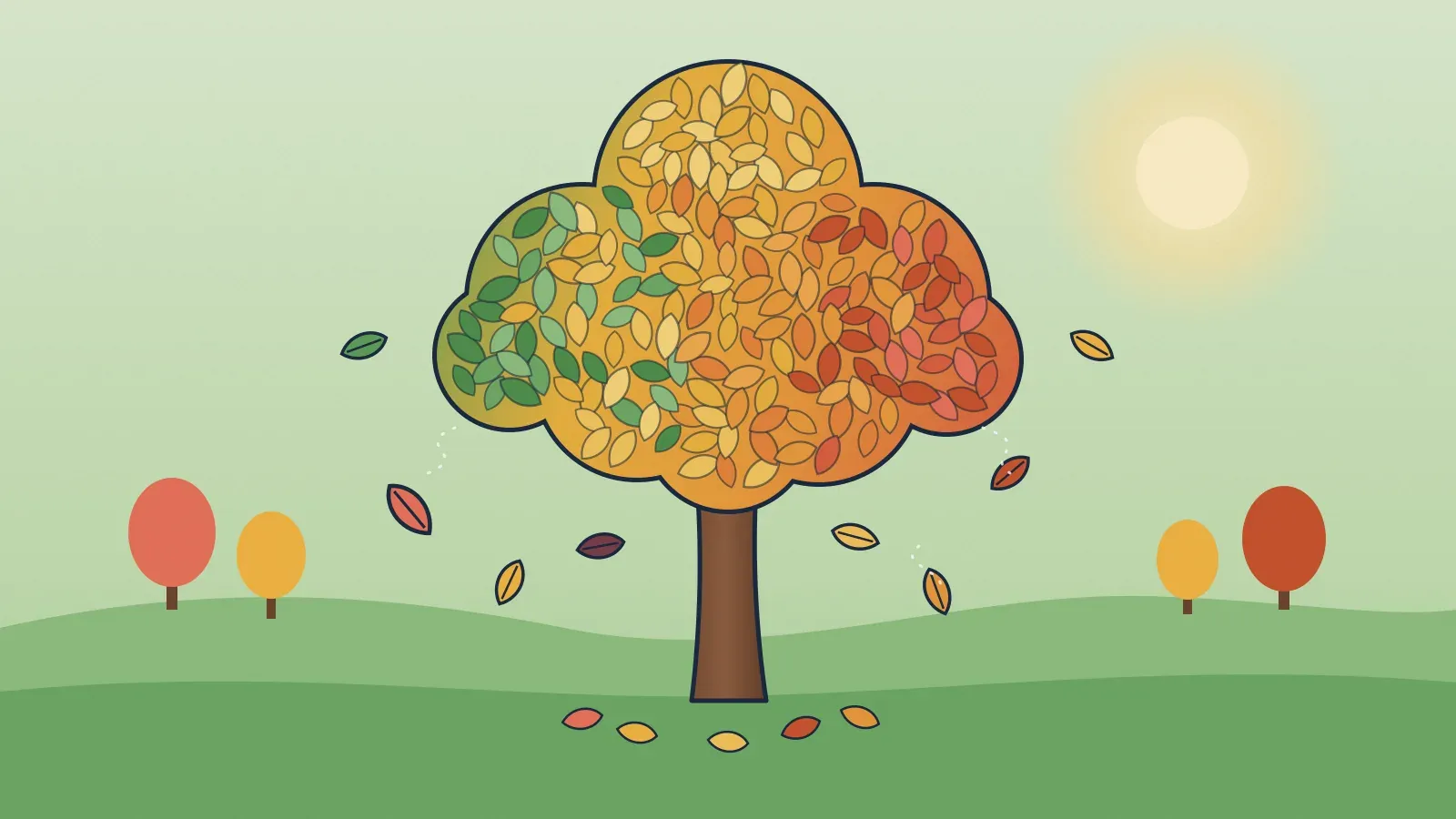
What Turns Autumn Leaves Yellow, Orange and Red
Green fades when trees stop making chlorophyll, revealing yellows that were in the leaf all along and reds made on the spot. Weather decides how bright the show will be, and a tropical climate explains why it is rare across much of Brazil.
November 3, 2026 - Nature
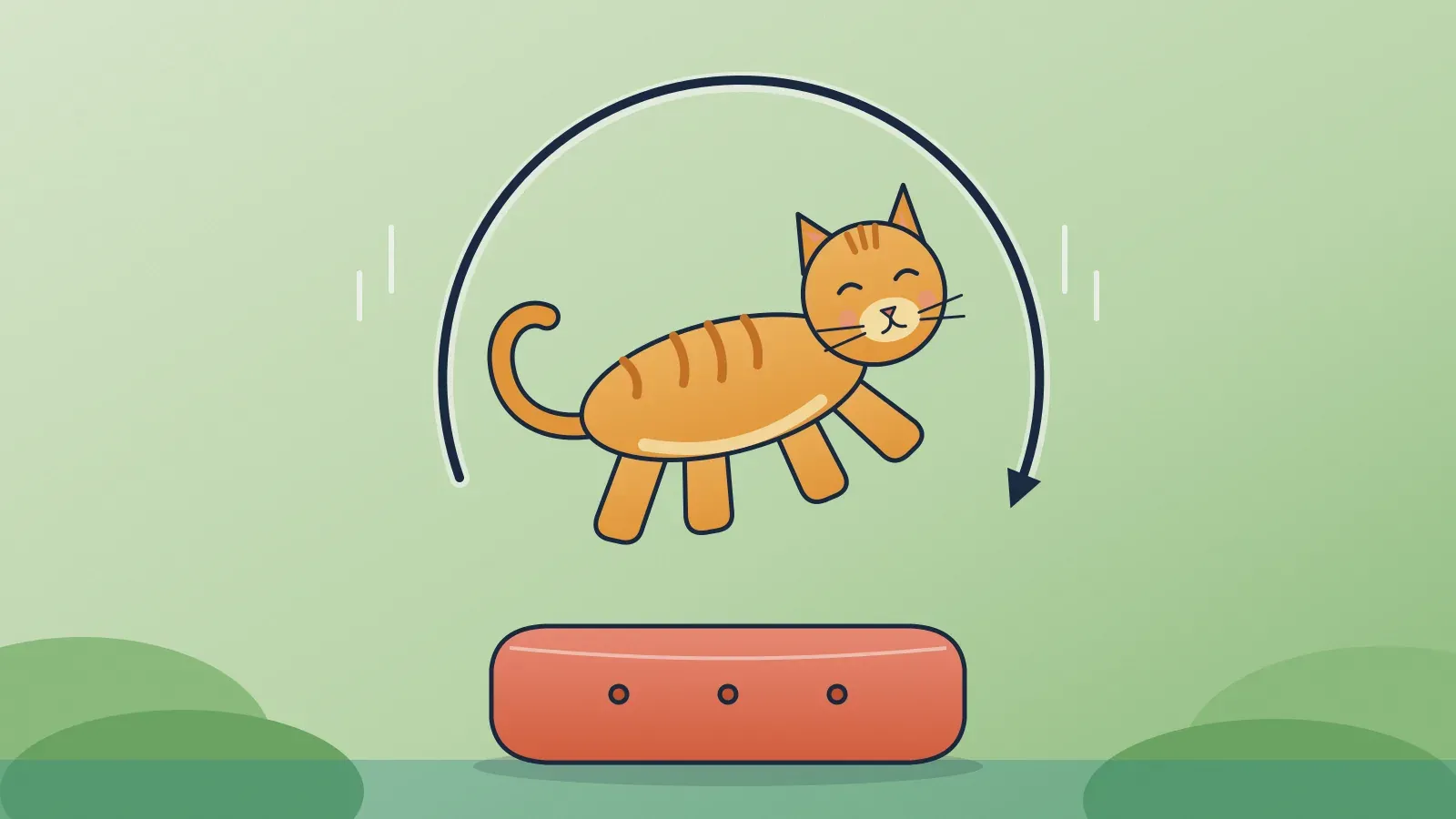
Why Cats (Almost) Always Land on Their Feet
A reflex that appears in the first weeks of life and a clever bit of physics let a cat flip over in midair with nothing to push against. But landing on its feet does not mean landing unhurt: falls from windows and balconies injure many cats every year.
November 3, 2026 - Nature
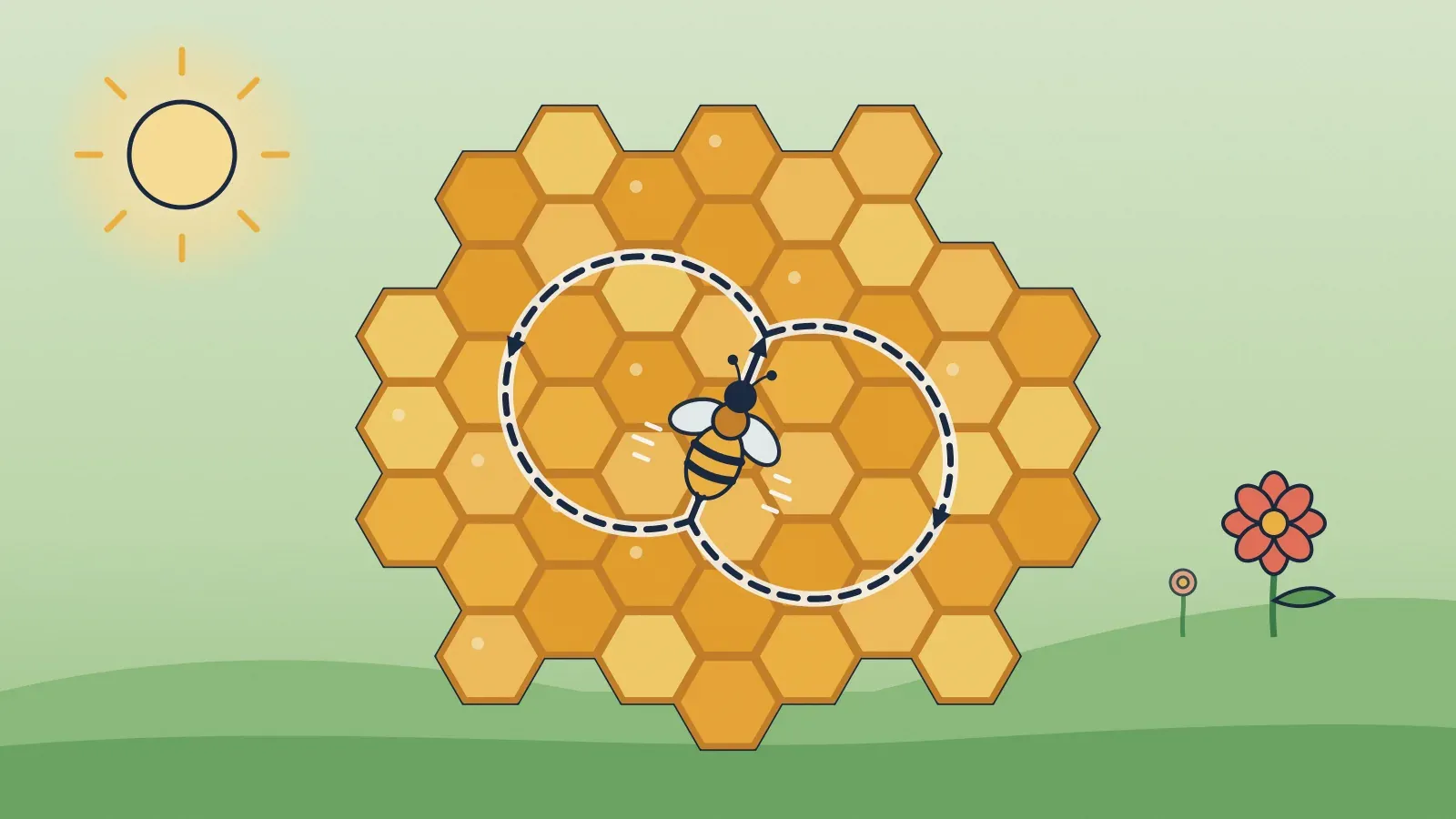
The Honeybee Waggle Dance: How Bees Give Directions to Food
Back at the hive, a honeybee uses a dance to signal the distance and direction of a food source, with the sun as its reference point. The discovery earned Karl von Frisch the 1973 Nobel Prize.
November 3, 2026 - Nature
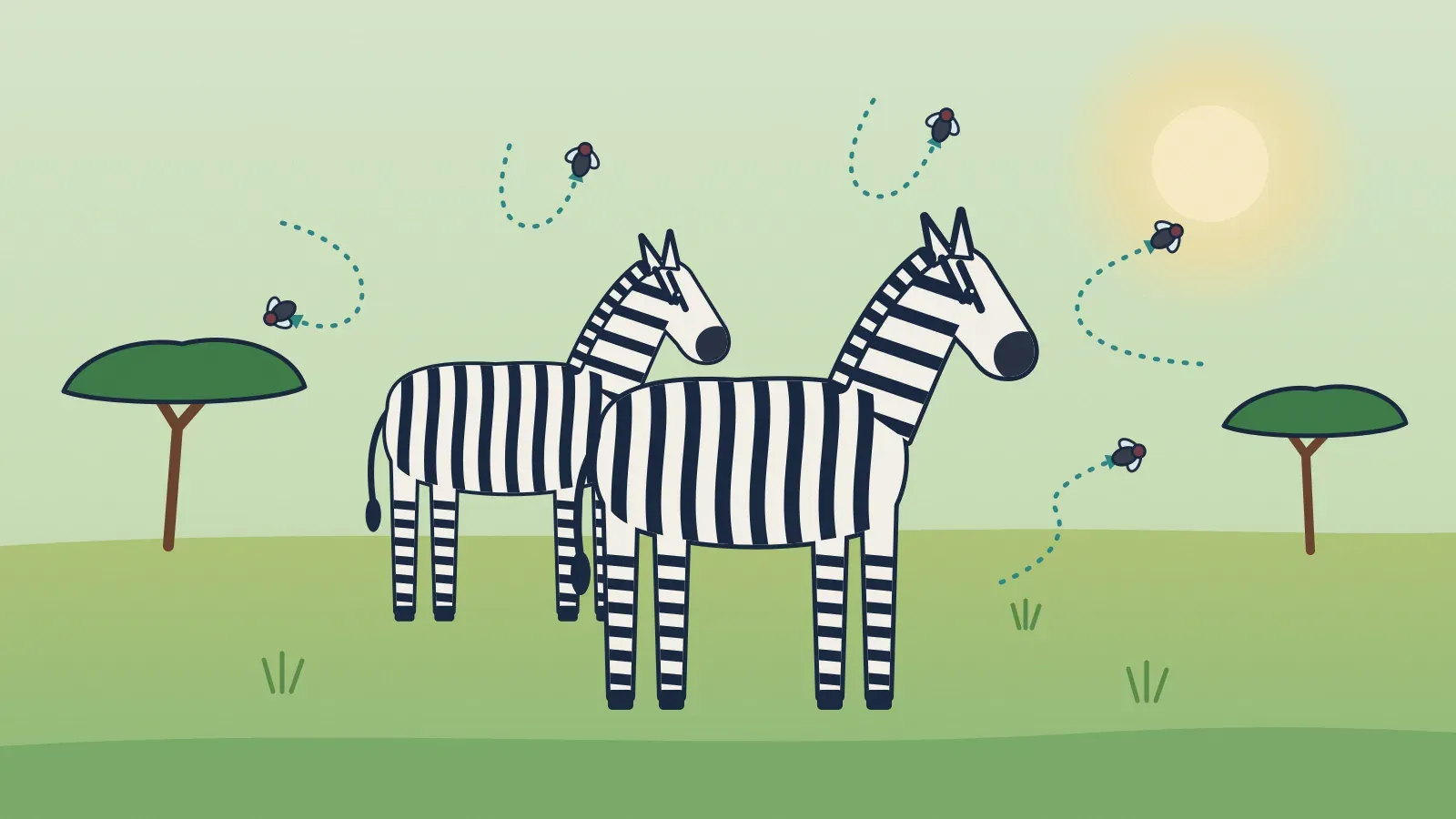
Why Do Zebras Have Stripes? What Science Knows So Far
Scientists have argued about the purpose of zebra stripes for more than 150 years. Today the explanation with the most experimental support is protection from biting flies, but camouflage, temperature and recognition are still part of the debate.
November 3, 2026 - Nature
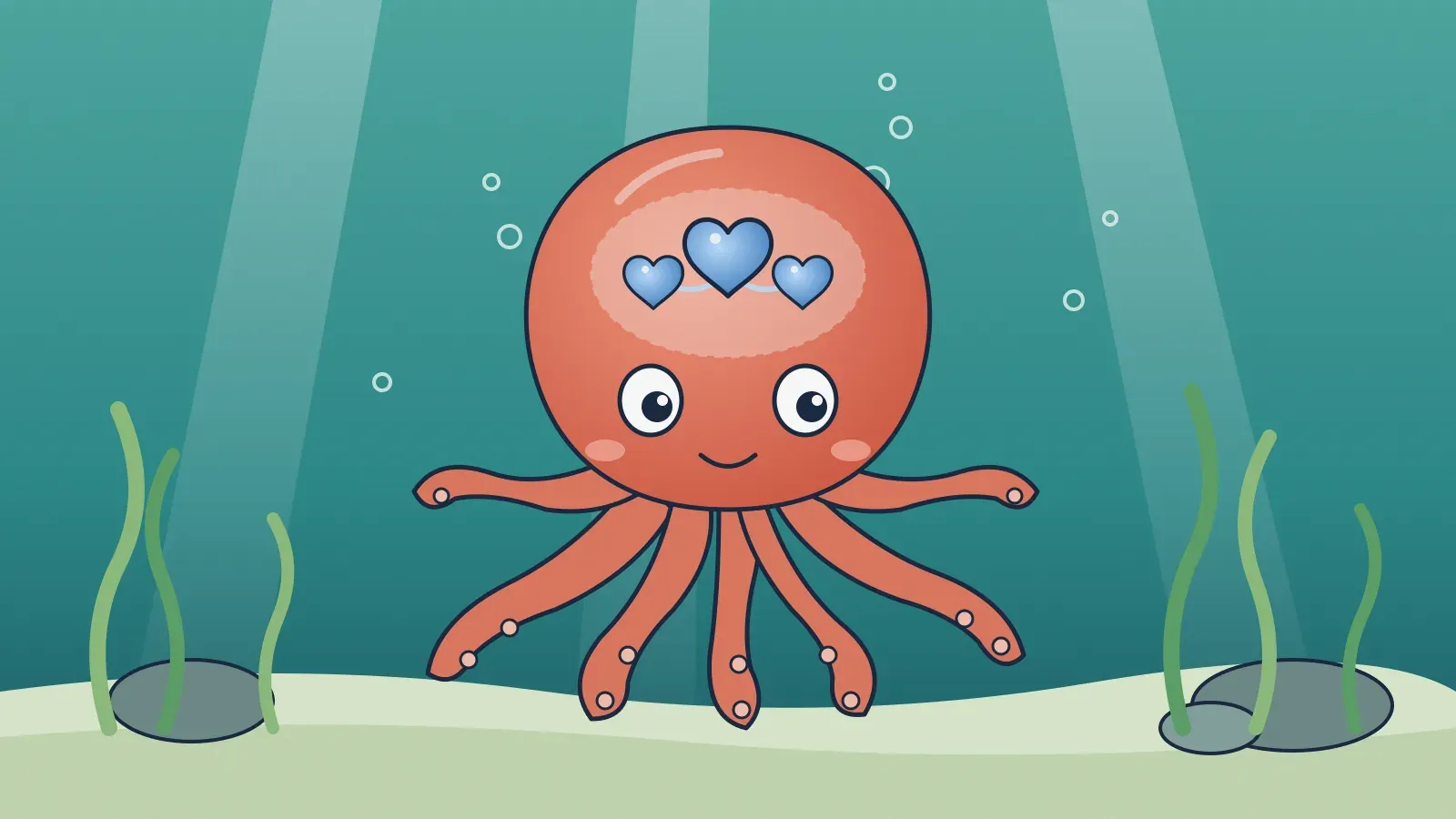
Why Octopuses Have Three Hearts and Blue Blood
Two hearts push blood through the gills and a third sends it around the body. The blood is blue because it carries oxygen with copper instead of iron.
November 3, 2026 - Nature
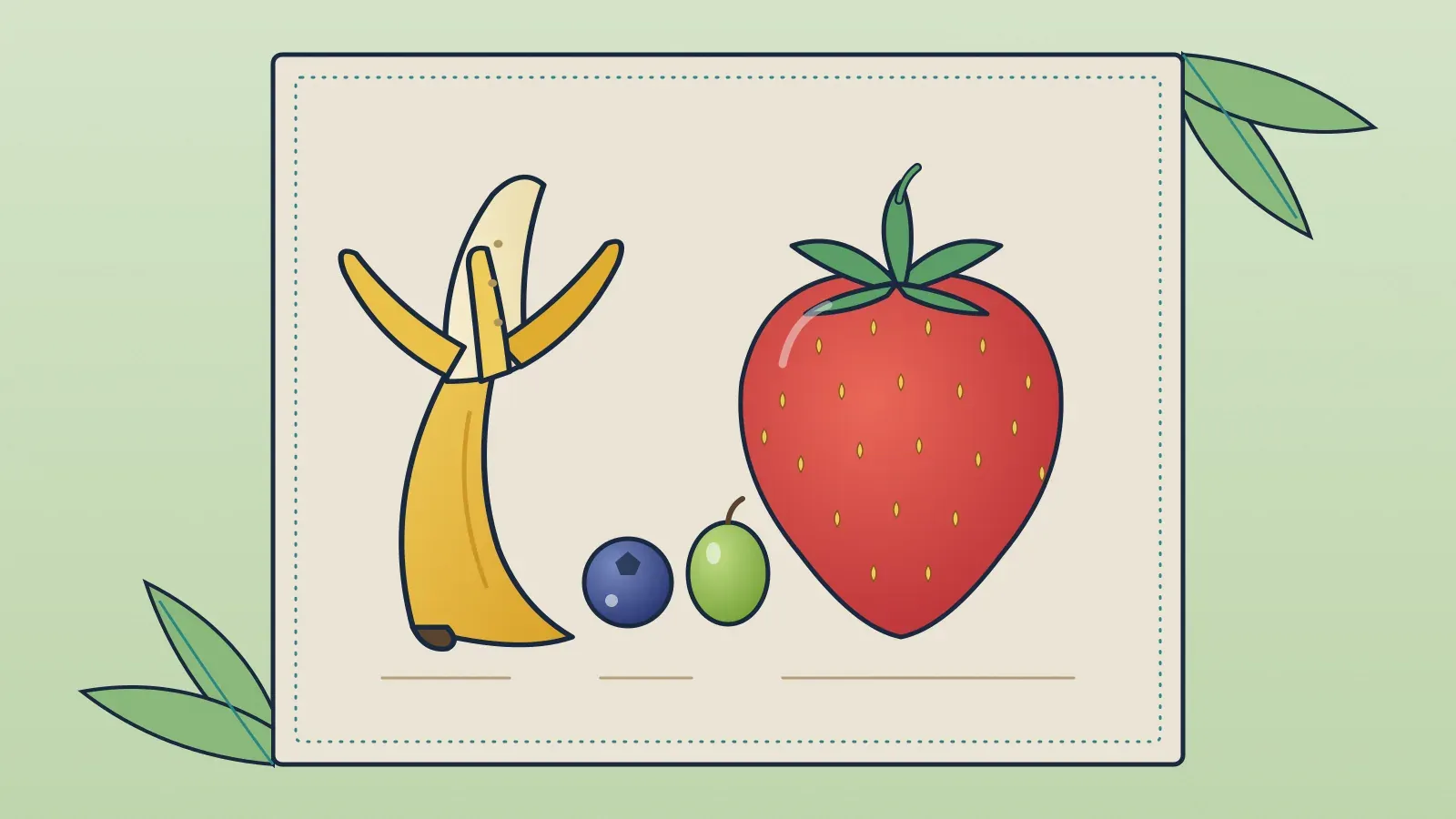
Bananas Are Berries, Strawberries Aren't: How Botanists Define Fruit
In botany, a berry is a specific type of fruit that grows from a single ovary with an entirely fleshy wall. By that rule, bananas, tomatoes and grapes are berries, while strawberries and raspberries are not.
November 3, 2026 - Nature
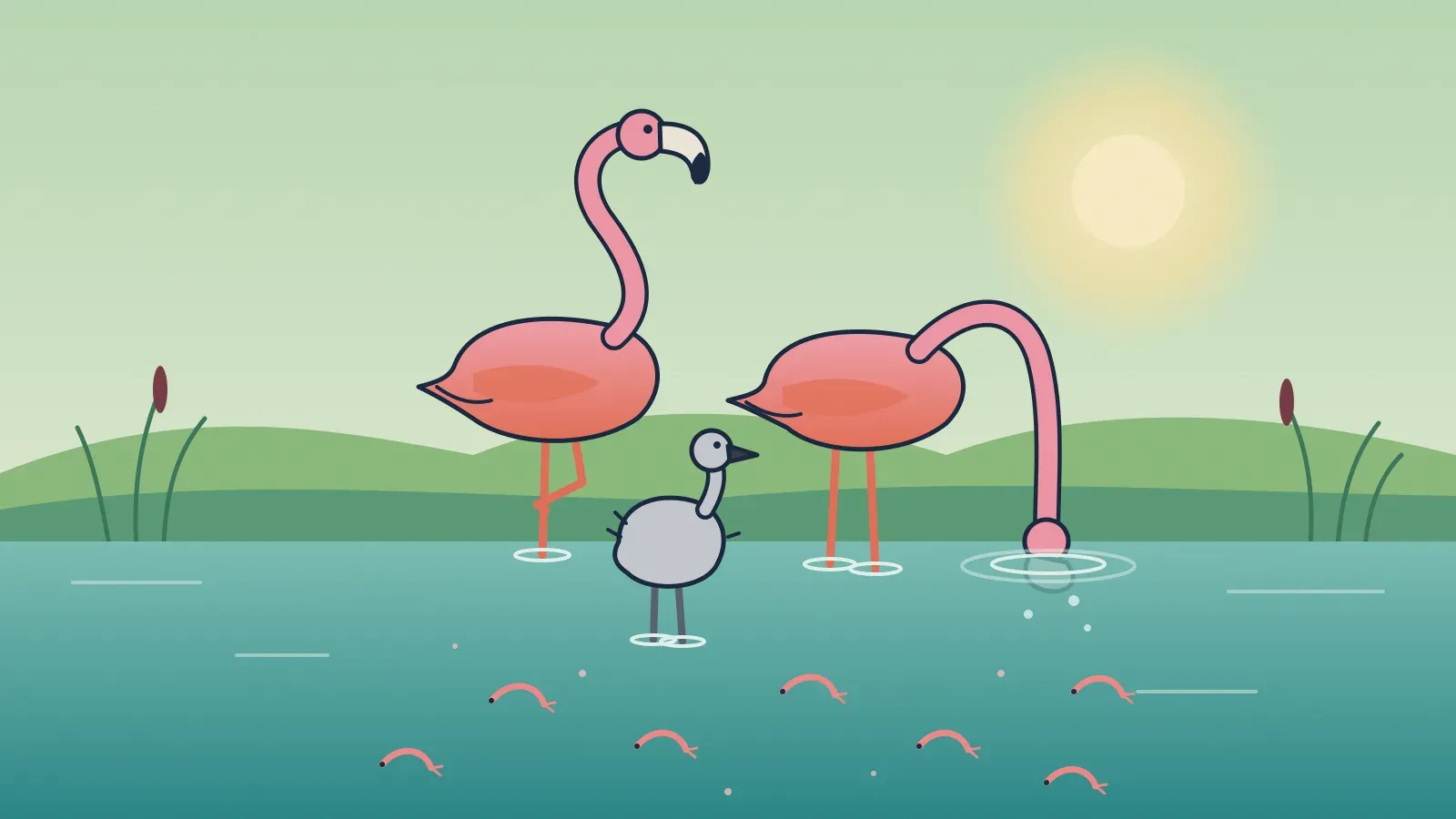
Why Are Flamingos Pink? The Answer Is on Their Plate
Flamingos are not born pink: their color comes from pigments called carotenoids, found in the algae and tiny crustaceans they eat. Without that diet, their feathers fade.
November 3, 2026 - Nature
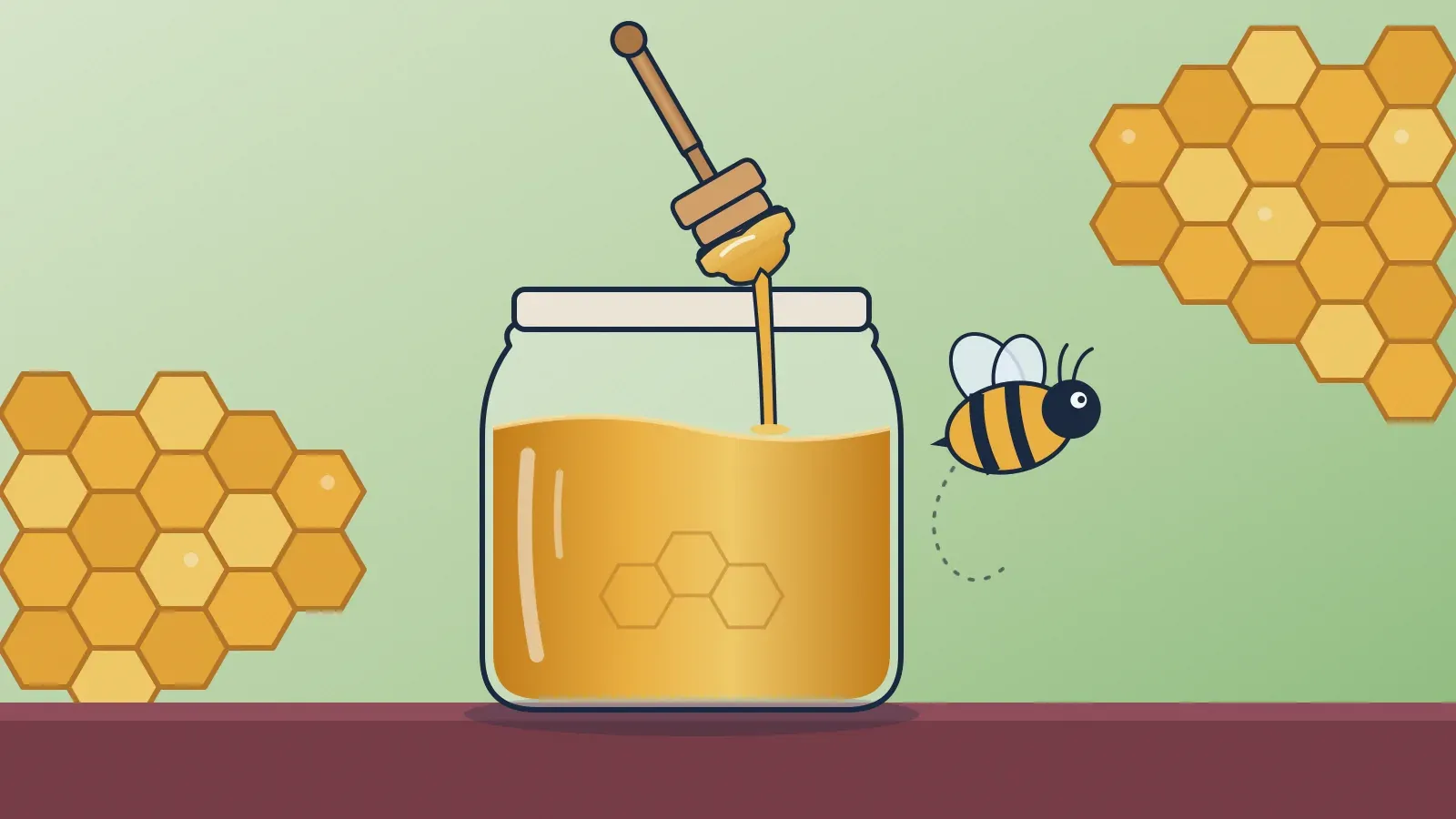
Why Honey Doesn't Spoil (and When It Actually Can)
Little water, high acidity and a touch of hydrogen peroxide make honey a hostile place for microbes. But it can ferment if it absorbs moisture, and it should not be given to babies under 1 year old.
November 3, 2026