Science
Why does ice float, where does thunder come from, why does the Moon change shape? This is where you'll find scientific explanations for things we see every day, told without jargon and based on reliable sources.
- Science
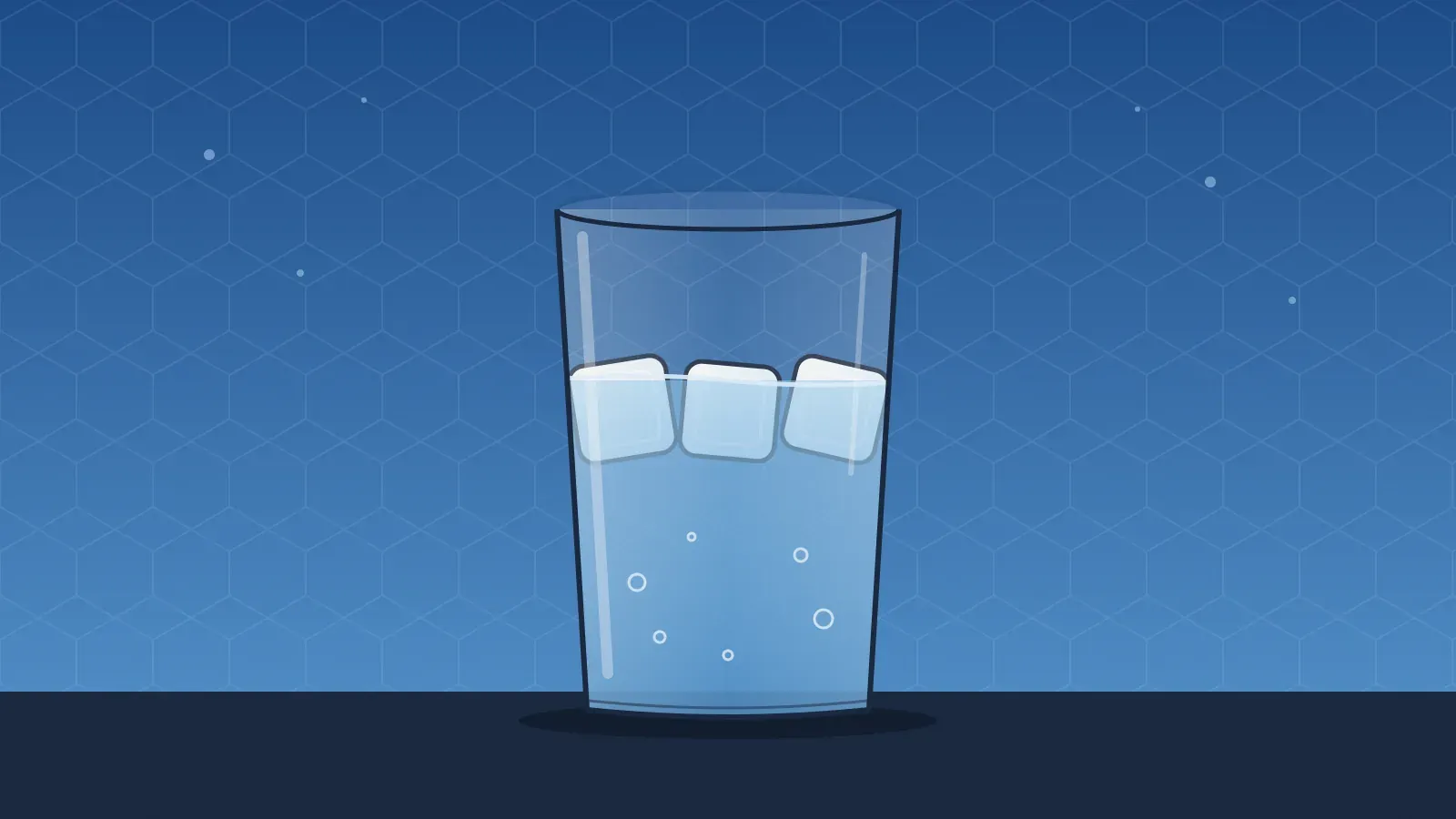
Why Ice Floats, and Why Fish Are Grateful for It
When water freezes, hydrogen bonds lock its molecules into an open network that is less dense than the liquid. That small chemical quirk keeps lakes from freezing from the bottom up.
November 3, 2026 - Science
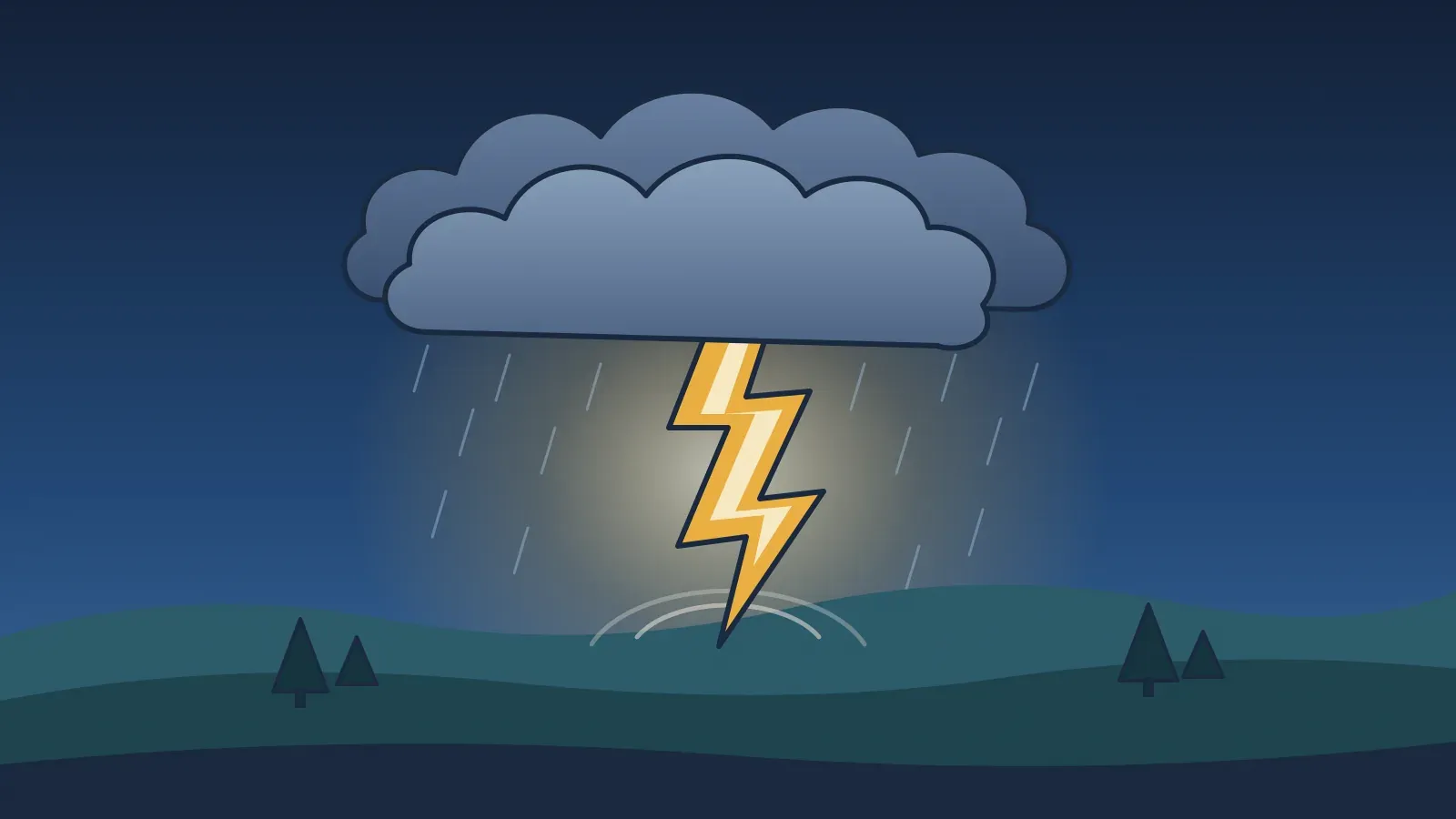
How Lightning Forms and Why Thunder Always Arrives Late
Collisions between ice crystals and soft hail separate electric charge inside a storm cloud until the air gives way. The flash arrives almost instantly; the sound takes about 5 seconds per mile.
November 3, 2026 - Science
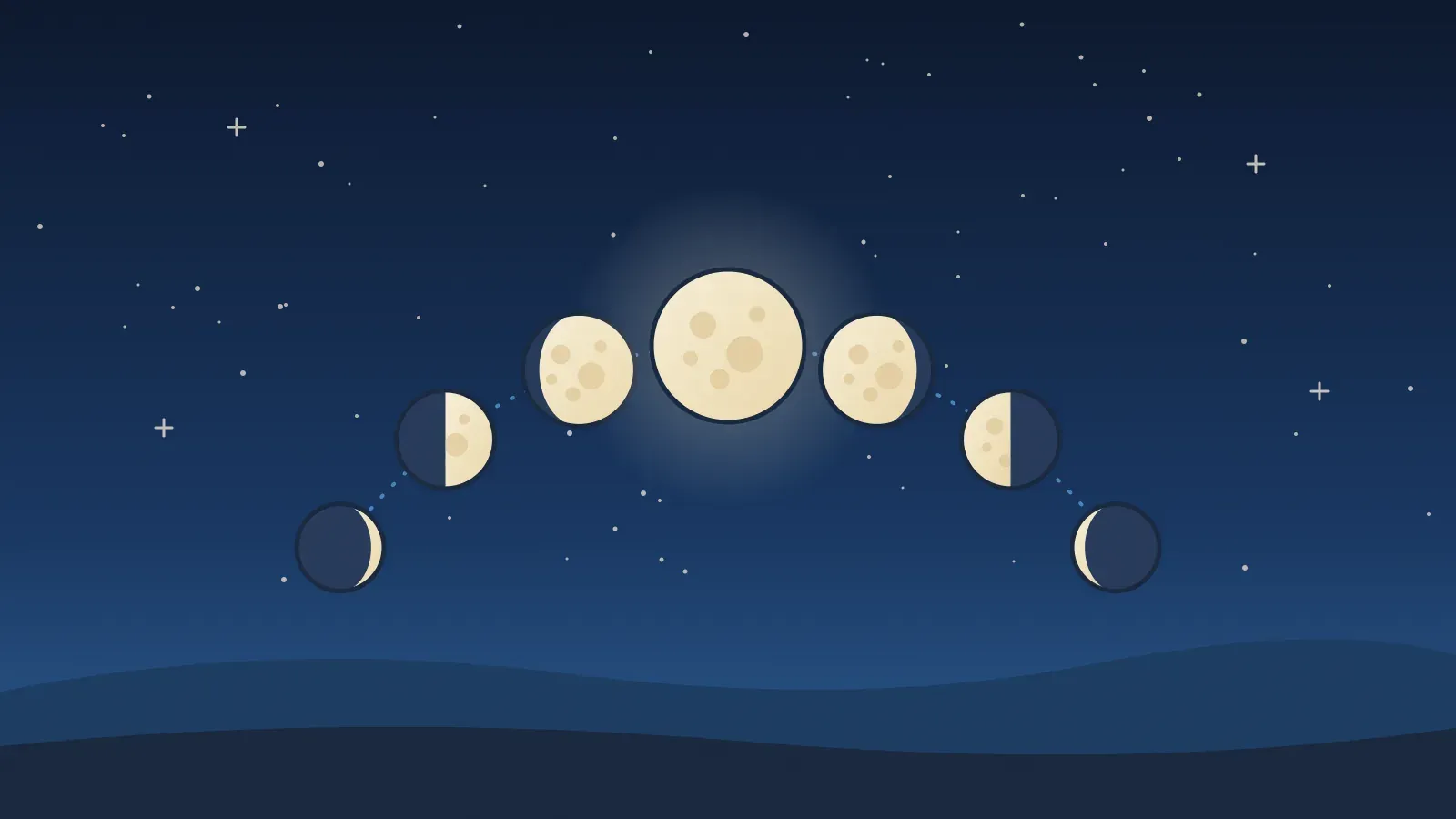
Why the Moon Has Phases, and Why Earth's Shadow Isn't the Reason
Half of the Moon is always lit by the Sun; what changes is how much of that half we can see as it circles Earth. Earth's shadow only shows up during eclipses.
November 3, 2026 - Science
Does a Microwave Cook Food From the Inside Out? No, and Here's Why It Matters
Microwaves heat the outer layers of food, down to a few centimeters deep; the center warms afterward by conduction. That is why stirring and standing time make a real difference.
November 3, 2026 - Science
Why the Sky Is Blue and Sunsets Glow Orange
The sky's color has nothing to do with reflected oceans. It comes from Rayleigh scattering, the same effect that turns sunsets orange and red.
November 3, 2026 - Science
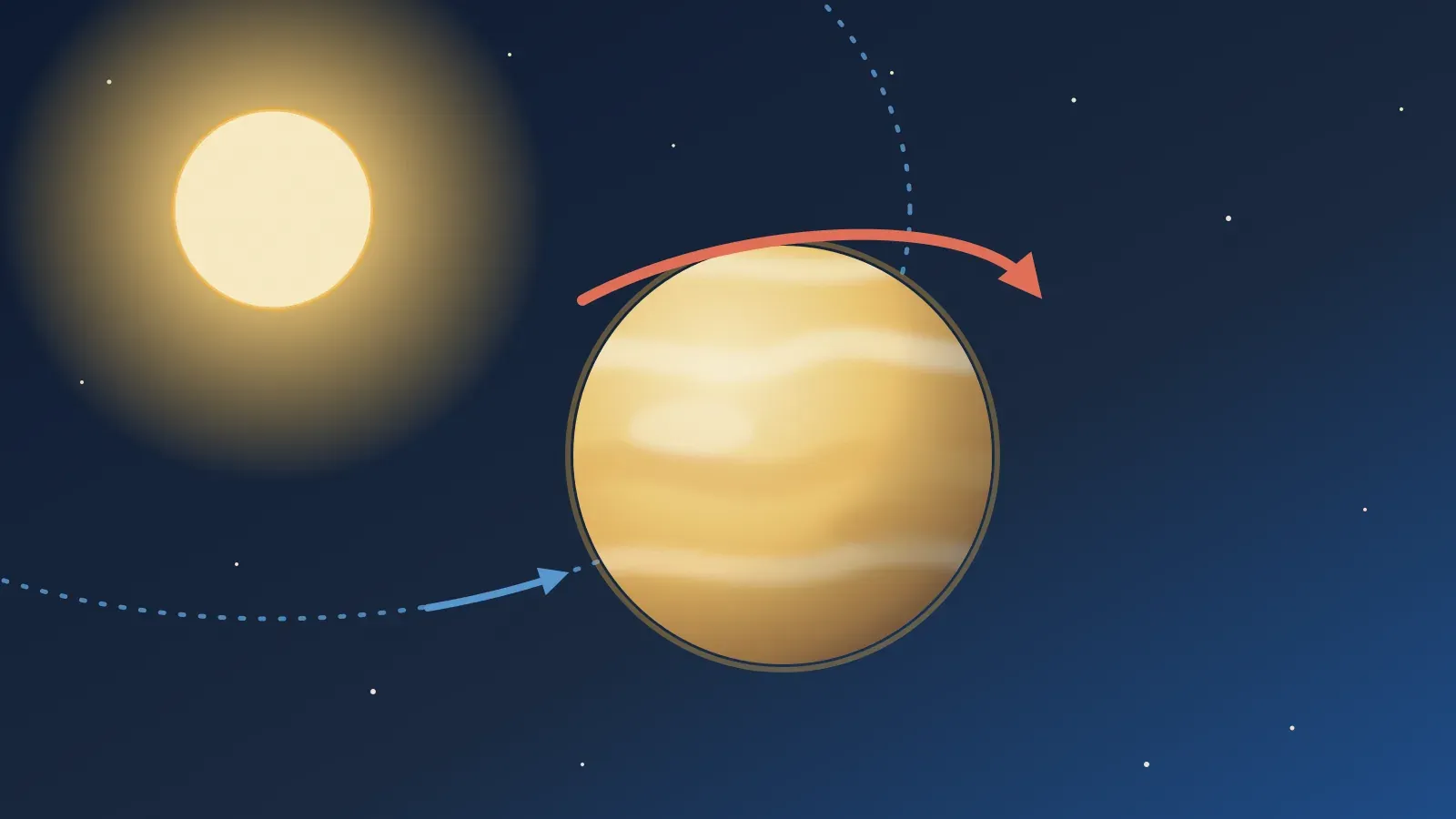
On Venus, a Day Lasts Longer Than a Year
Venus takes about 243 Earth days to spin once on its axis but only about 225 to orbit the Sun. And it spins backward compared with Earth.
November 3, 2026 - Science
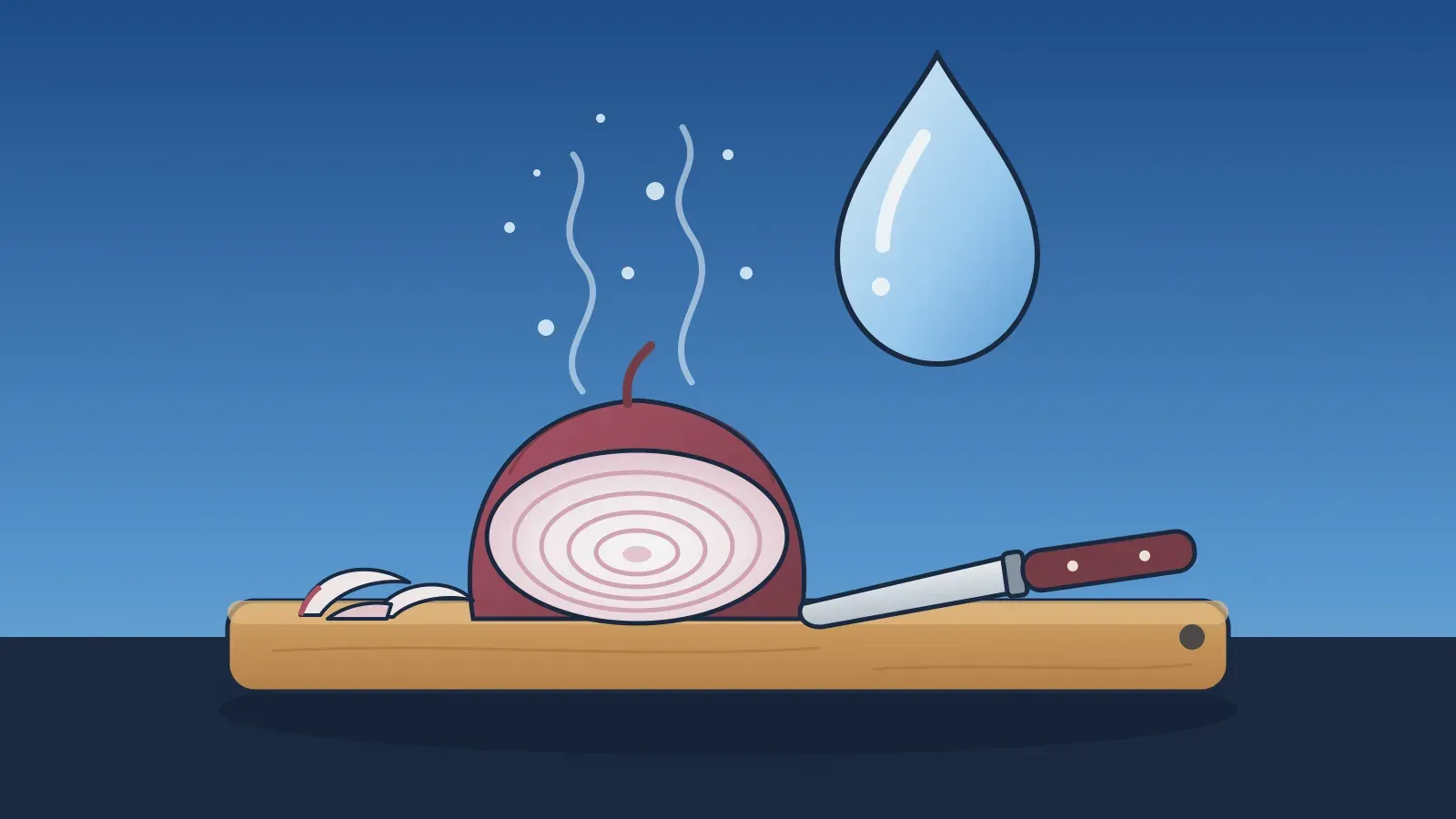
Why Cutting Onions Makes You Cry (and How to Stop It)
When you cut an onion, it releases an irritating gas produced by a chemical chain reaction. Here is what happens inside it and which tricks actually help you cry less.
November 3, 2026 - Science
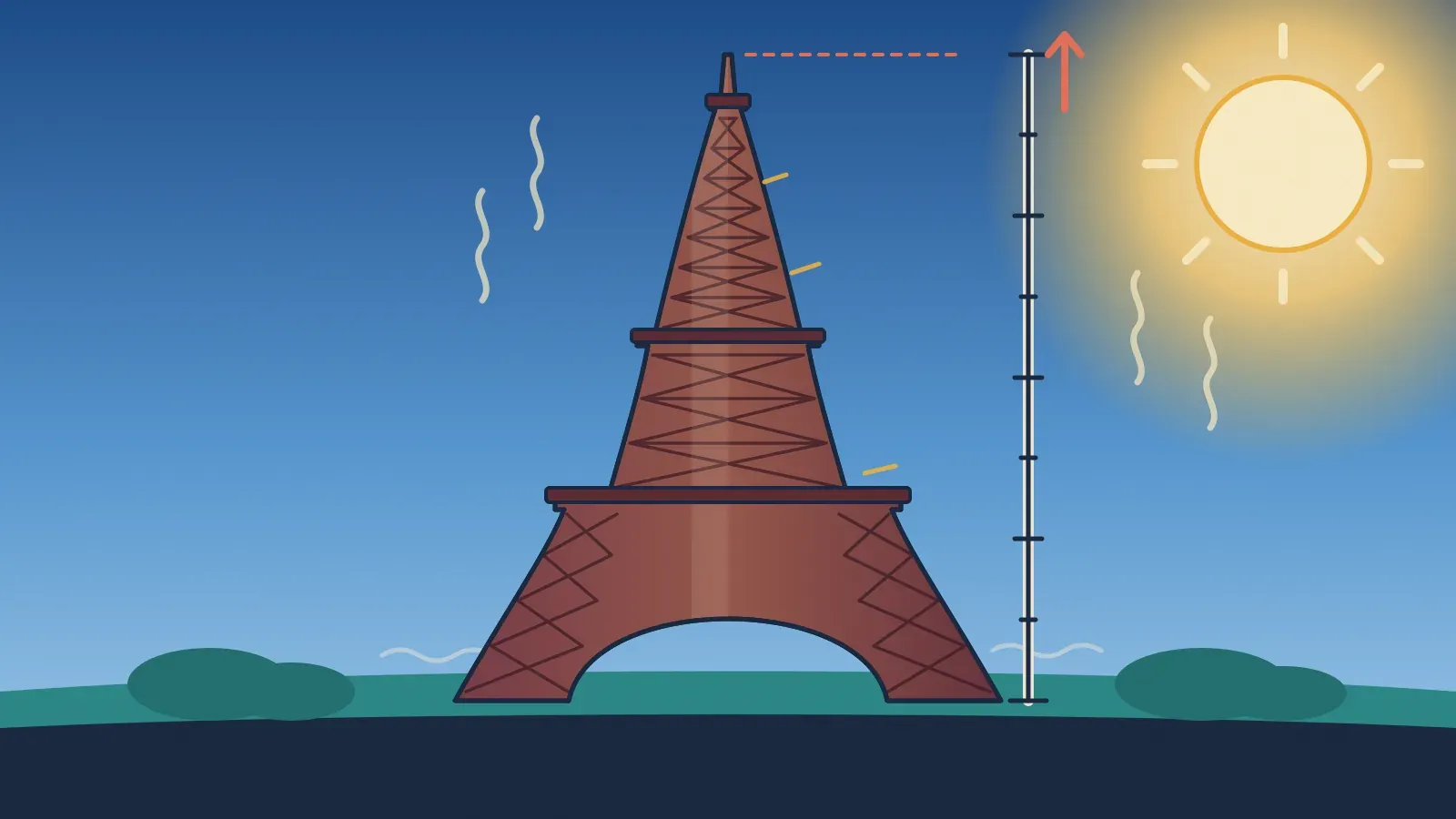
The Eiffel Tower Grows Taller in Summer
The Eiffel Tower's iron expands in the heat and contracts in the cold, so the monument's height changes over the year. Here is how thermal expansion works and how much it really adds up to.
November 3, 2026