Why Your Fingertips Wrinkle in Water (It's Not Just Soggy Skin)
Pruney fingers after a bath are the work of the nervous system, which narrows the blood vessels under the skin. Why it happens is still debated: the idea that it improves grip on wet surfaces has studies for and against it.
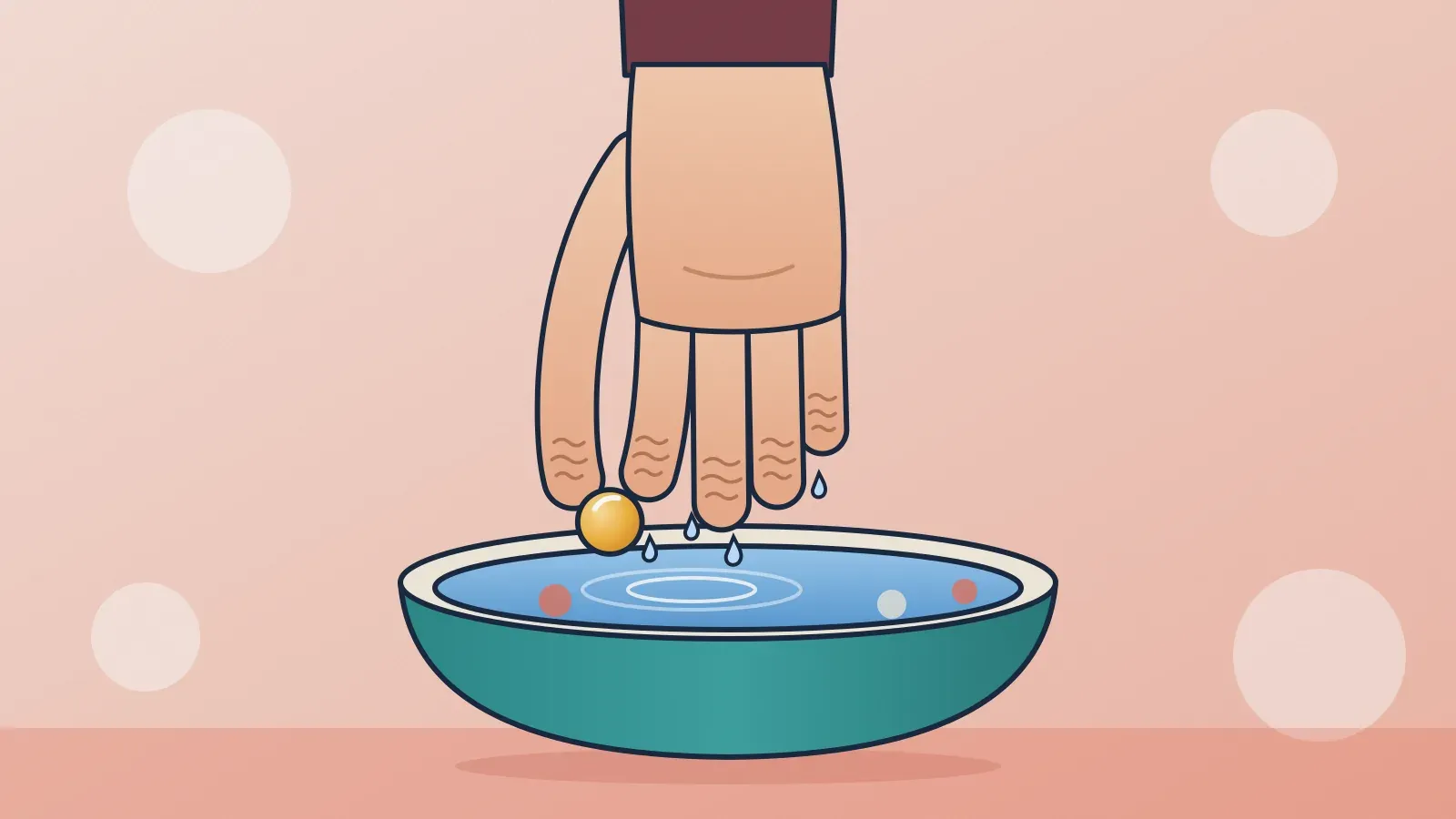
After a long bath or an afternoon in the pool, your fingertips end up looking like raisins. The most common explanation is that the skin simply soaks up water and swells. It does absorb a little, but that isn't enough to explain the wrinkles. The effect depends on the nervous system, and why it exists at all still divides researchers.
The clue from injured nerves
The first clue came from patients. In the 1930s, British physicians Thomas Lewis and George Pickering noticed that fingers with damage to the median nerve, which supplies much of the hand, did not wrinkle even after a long time in water. If the wrinkles were only soggy skin, they should have appeared anyway.
In the 1970s, further observations backed up the idea, including the case of a child whose fingers stopped wrinkling after a nerve injury and started wrinkling again once the nerve was repaired. In 1973, physician Seamus O'Riain proposed using water-induced wrinkling as a simple test of nerve function in the hand, and it is still cited in clinical practice.
What happens under the skin
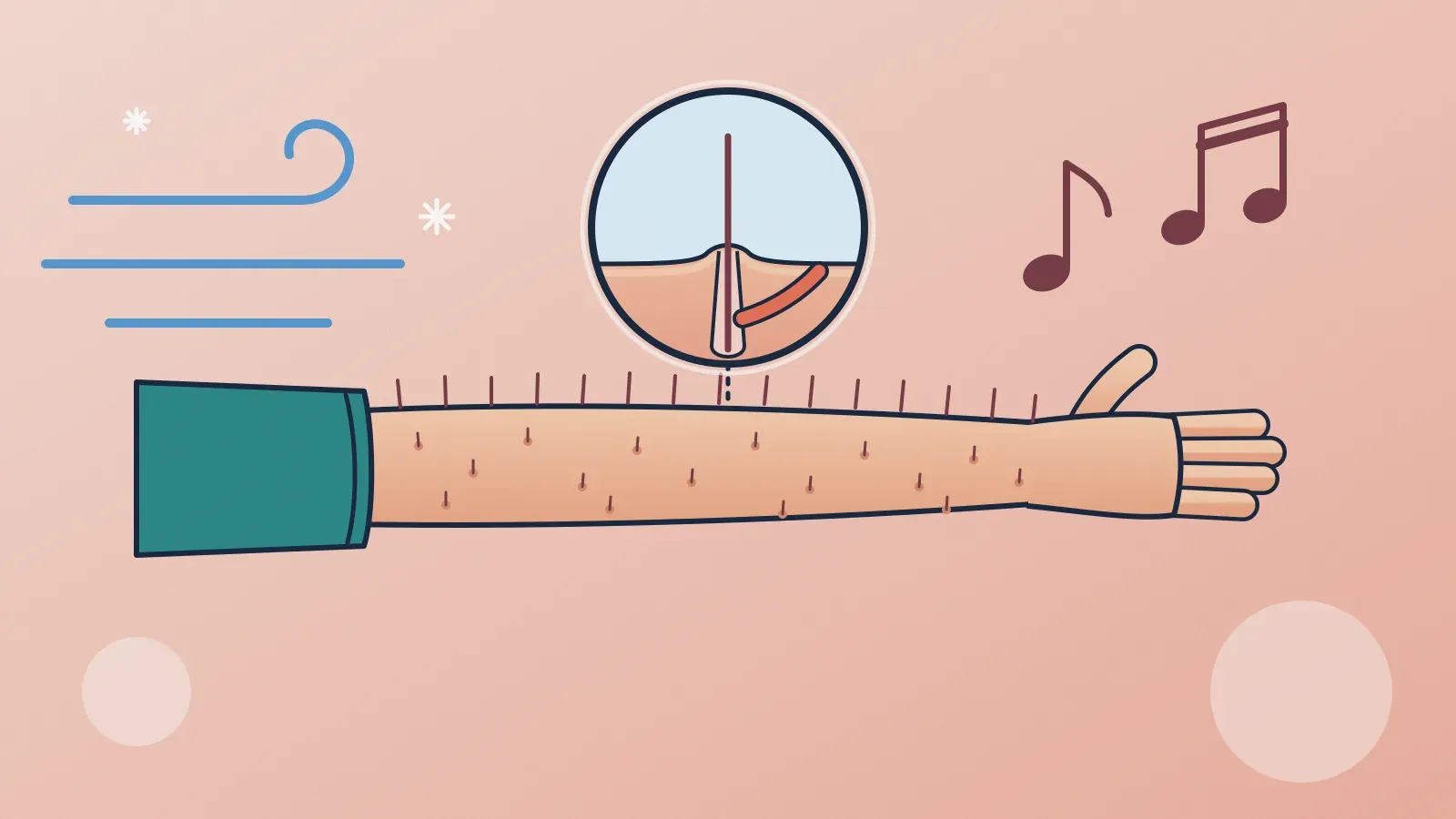
In 2003, researchers led by neurologist Einar Wilder-Smith measured blood flow in the fingers during immersion and found that it drops sharply. The sympathetic nervous system, the part of the autonomic nervous system that controls automatic functions such as sweating and the width of blood vessels, triggers vasoconstriction, a narrowing of the vessels just below the skin. With less volume underneath, the outer layer, which is anchored to the tissue unevenly, folds into wrinkles.
The most widely accepted sequence today is this: water enters through the pores of the sweat glands, which are very numerous in the fingertips, and that somehow triggers the nerve signal that narrows the vessels. Exactly how water switches on the nerve is still unclear; one hypothesis involves changes in the balance of salts in the skin.
The grip hypothesis
If the body uses a nerve-driven mechanism to wrinkle the fingers, perhaps it serves a purpose. In 2011, neurobiologist Mark Changizi and colleagues proposed in the journal Brain, Behavior and Evolution that the wrinkles work like the treads on a rain tire: channels that drain water away and increase contact with wet surfaces. That would be an advantage for walking or gathering food in damp environments.
The tests: for and against
| Study | Year | What it found |
|---|---|---|
| Changizi and colleagues (Brain, Behavior and Evolution) | 2011 | Proposed that the wrinkle pattern forms a drainage network, but did not measure grip. |
| Kareklas, Nettle and Smulders, Newcastle University (Biology Letters) | 2013 | With wrinkled fingers, volunteers moved wet marbles about 12% faster; with dry objects, there was no difference. |
| Haseleu and colleagues, Max Delbrück Center, Berlin (PLOS ONE) | 2014 | With 40 volunteers and a variety of objects, found no advantage for wrinkled fingers, with either wet or dry objects. |
| German and colleagues, Binghamton University (Journal of the Mechanical Behavior of Biomedical Materials) | 2025 | In three participants, wrinkles formed in the same pattern on two different days, possibly because the vessels sit in fixed positions. |
In other words, it is well established that nerves and vasoconstriction drive the wrinkling. The idea that wrinkles evolved to improve grip, however, remains a hypothesis, with conflicting results and small studies. More research, with more participants and varied tasks, is needed to settle the question.
When to pay attention
Wrinkled fingers after time in water are normal and go away on their own once the skin dries. Because the effect depends on the nerves, though, a single finger that doesn't wrinkle, or wrinkles that appear without contact with water, can be linked to circulation or nerve problems. In those cases, especially if there is numbness, tingling or a change in color, it's best to see a doctor.
Next time you step out of the bath with pruney fingers, remember that it isn't just swollen skin: it's your nervous system deliberately narrowing blood vessels. Whether that helps you hold on to the soap is something science hasn't settled yet.