How to thaw food safely (and why the countertop is a bad idea)
Fridge, cold water or microwave: the three methods food safety agencies recommend, how long each one takes and when refreezing is acceptable.
Forgetting the meat in the freezer and remembering it an hour before dinner is a kitchen classic. The temptation is to leave the package in the sink or on the counter and wait. The U.S. Department of Agriculture's Food Safety and Inspection Service (USDA/FSIS) recommends only three ways to thaw: in the refrigerator, in cold water and in the microwave. Each has its own rules, and understanding the reasons behind them makes mistakes less likely.
Why not thaw on the counter
Freezing does not kill most bacteria; it simply puts them on pause. When food starts to warm up, they begin multiplying again. The trouble with the counter is that thawing is uneven. According to the USDA, even while the center of the package is still frozen, the outer layer can spend hours in the so-called danger zone, between 40 °F and 140 °F (4 °C to 60 °C), where bacteria multiply rapidly. That is why perishable food should not stay out of refrigeration for more than two hours, or one hour if the room is above 90 °F (32 °C).
In the fridge: the safest method
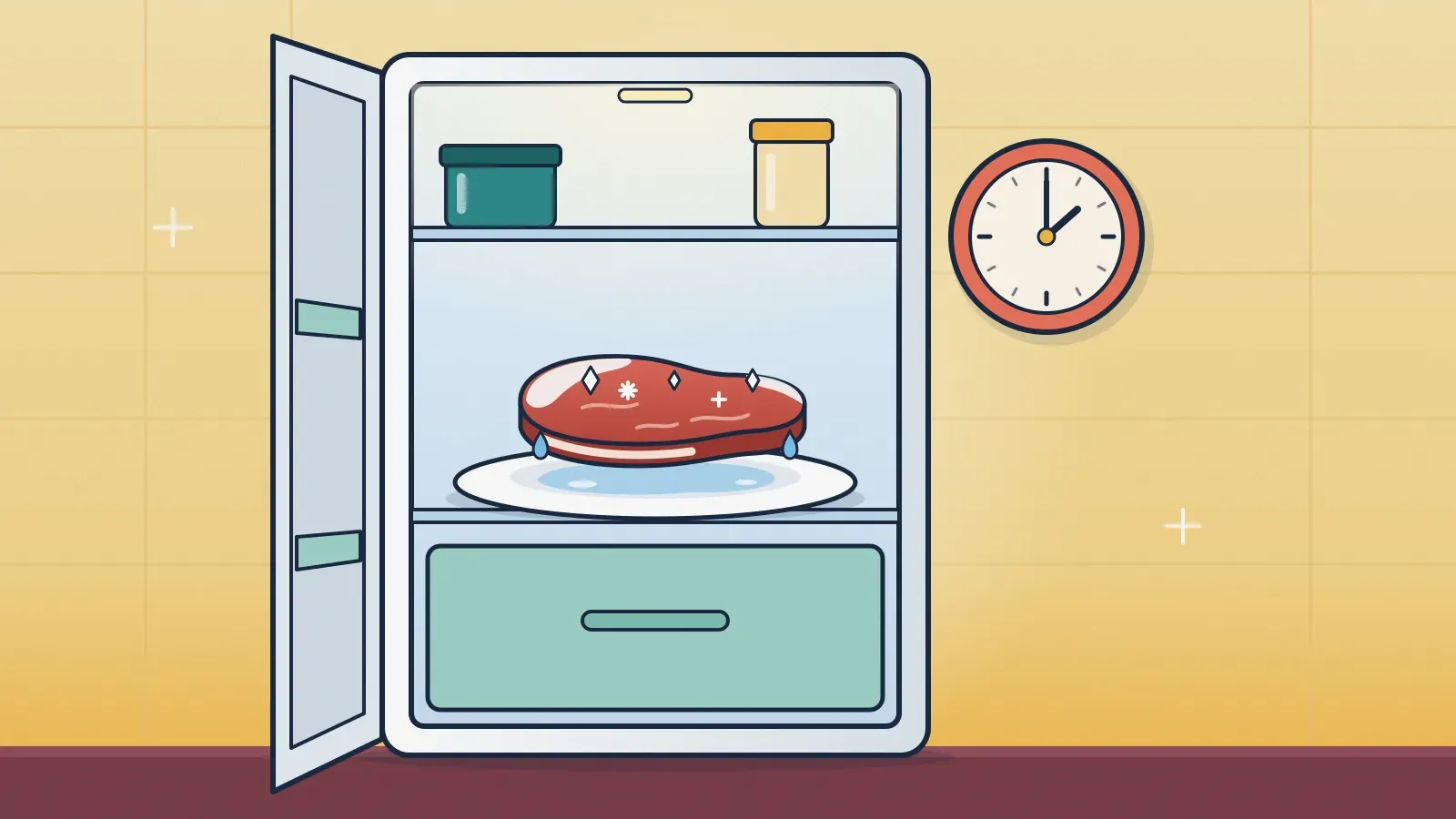
Thawing in the refrigerator takes planning, but it is the method that keeps food at a safe temperature, 40 °F (4 °C) or below, the whole time. The drawback is how long it takes. Some practical references based on USDA guidance:
- Large items, such as a whole turkey: about 24 hours for every 5 pounds (2.3 kg).
- Small packages, such as 1 pound (450 g) of ground meat or boneless chicken breasts: about a full day.
- Once thawed, ground meat, poultry and seafood should be cooked within 1 to 2 days.
- Whole cuts of red meat, such as roasts and steaks, can wait 3 to 5 days.
Set the package on a plate or in a container on the bottom shelf so the thawing juices cannot drip onto other foods. Other agencies are more cautious: Ireland's food safety body, for example, advises cooking defrosted raw meat within 24 hours.
In cold water, changed every 30 minutes
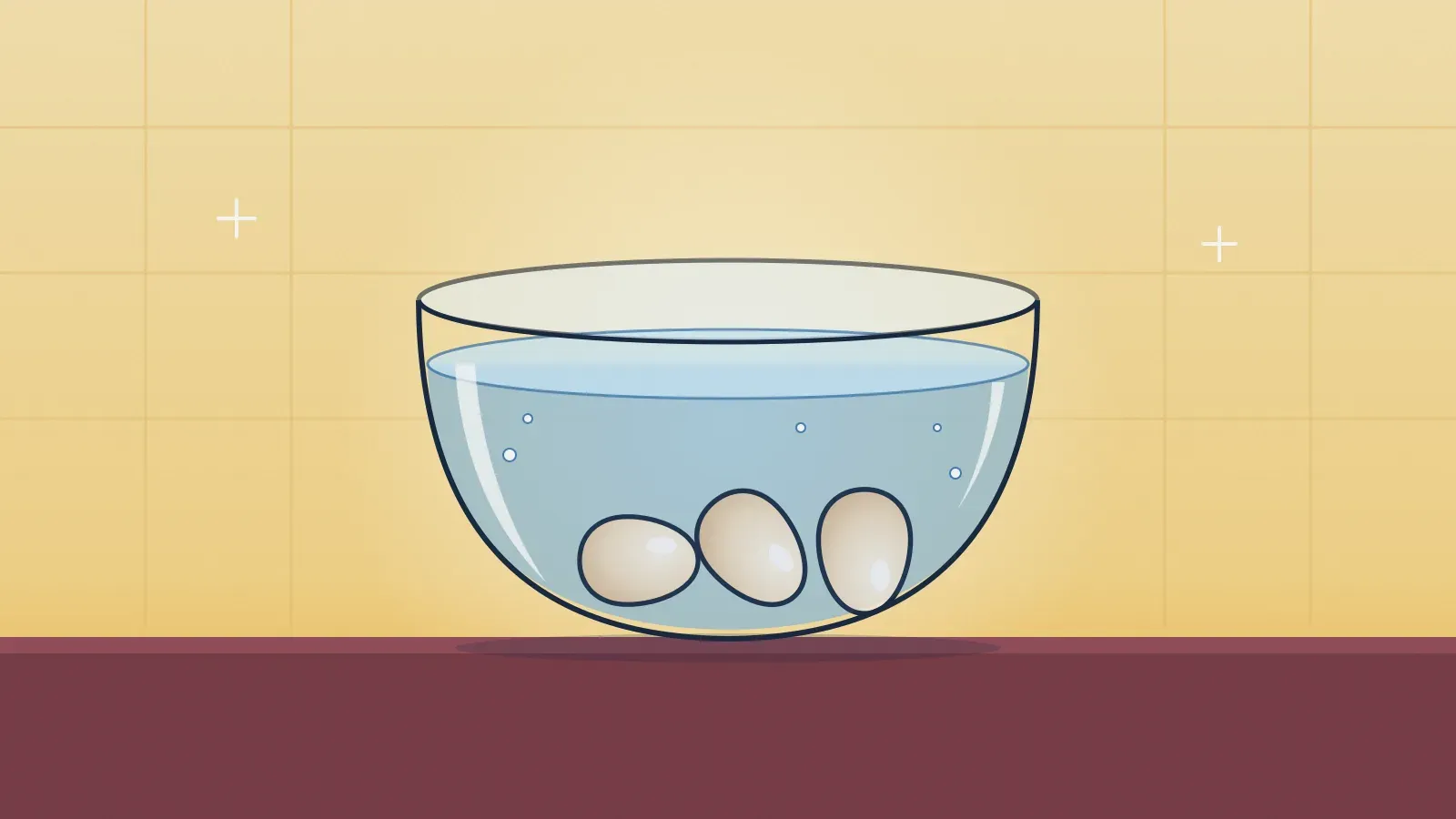
When there is no time for the fridge, cold water is the second option. The food must be in a tightly sealed, leak-proof bag so water cannot get in and bacteria cannot spread around the sink. Submerge the bag in cold tap water and change the water every 30 minutes so it stays cold and the thawing keeps going. Packages of about 1 pound (450 g) usually thaw in an hour or less; 3 to 4 pounds (1.5 to 2 kg) take two to three hours. Do not use hot water: it warms the surface into the danger zone. Once the food has thawed, cook it right away.
In the microwave, then straight to the pan
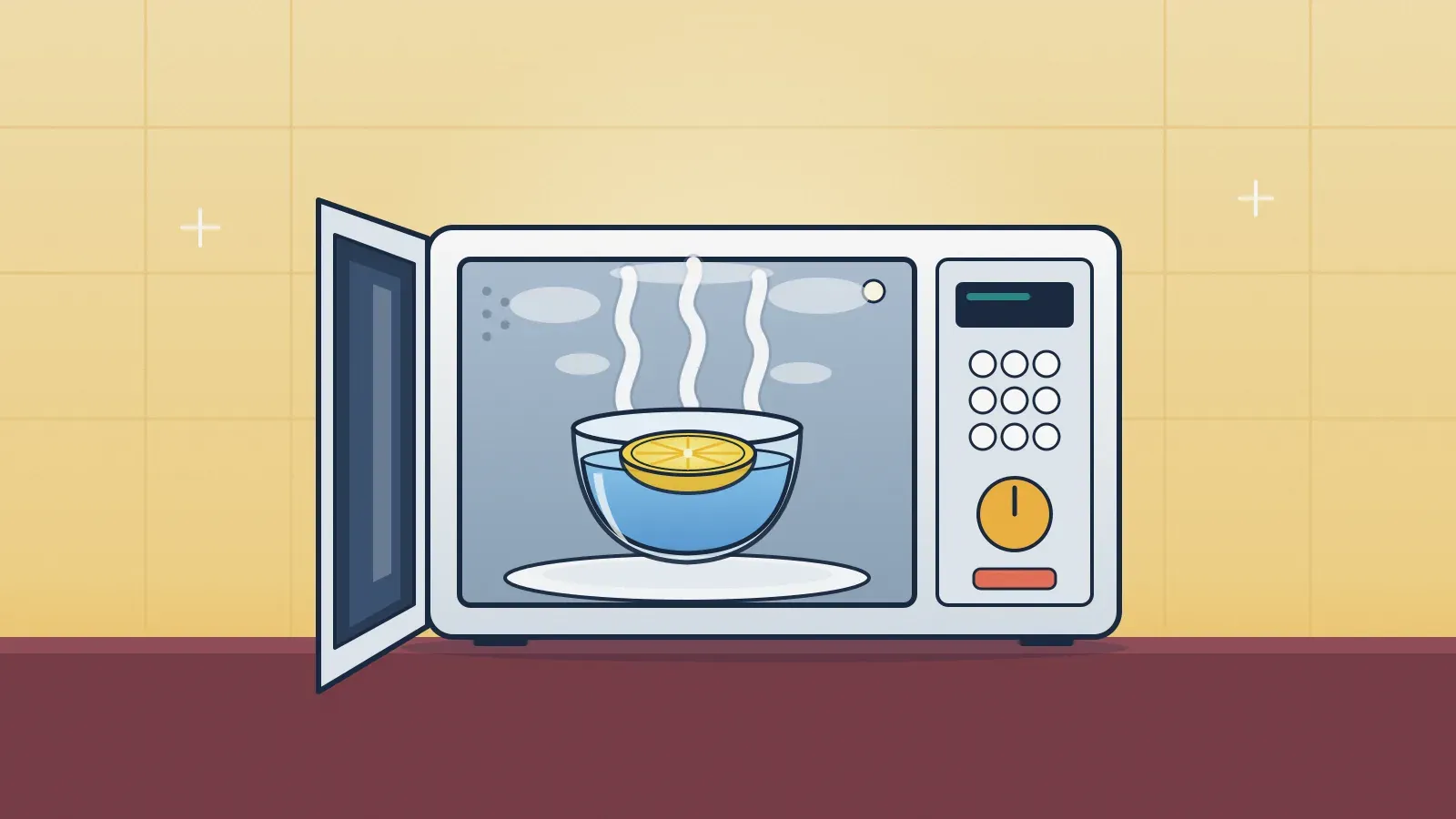
The microwave's defrost setting is the fastest option, but it heats unevenly: some parts can even start cooking while others are still frozen. The warm areas sit in the range bacteria like, so food thawed in the microwave should be cooked immediately afterward. Follow the appliance manual, remove any packaging that is not microwave-safe and stick to smaller portions.
There is also a fourth option that many people forget: cooking straight from frozen. The USDA says it is safe, but cooking takes roughly 50 percent longer than with thawed food.
Can I refreeze it?
| Method | When to cook | Can it be refrozen raw? |
|---|---|---|
| Refrigerator | Within 1 to 2 days (ground meat, poultry, fish) or 3 to 5 days (whole cuts) | Yes, with some loss of quality |
| Cold water | Immediately | No; cook it before refreezing |
| Microwave | Immediately | No; cook it before refreezing |
Under USDA rules, food thawed in the refrigerator can go back into the freezer without being cooked, although texture suffers from the moisture lost. Raw food that was thawed and then cooked can also be frozen again. Anything left out of refrigeration for more than two hours should not be refrozen. Here sources differ: agencies such as Ireland's are stricter and advise never refreezing thawed raw food unless it has been cooked first. When in doubt, the more conservative choice is the safer one.
In short: plan ahead and use the fridge whenever you can; in a hurry, use cold water changed every half hour or the microwave, and cook the food right after. The countertop, however convenient it seems, is the one option that appears in no official recommendation.