Why Do So Many Prices End in .99? The Left-Digit Effect Explained
Prices ending in .99 exploit the weight we give the first digit. See what research on the left-digit effect shows, when it works and why the origin of the habit is still uncertain.
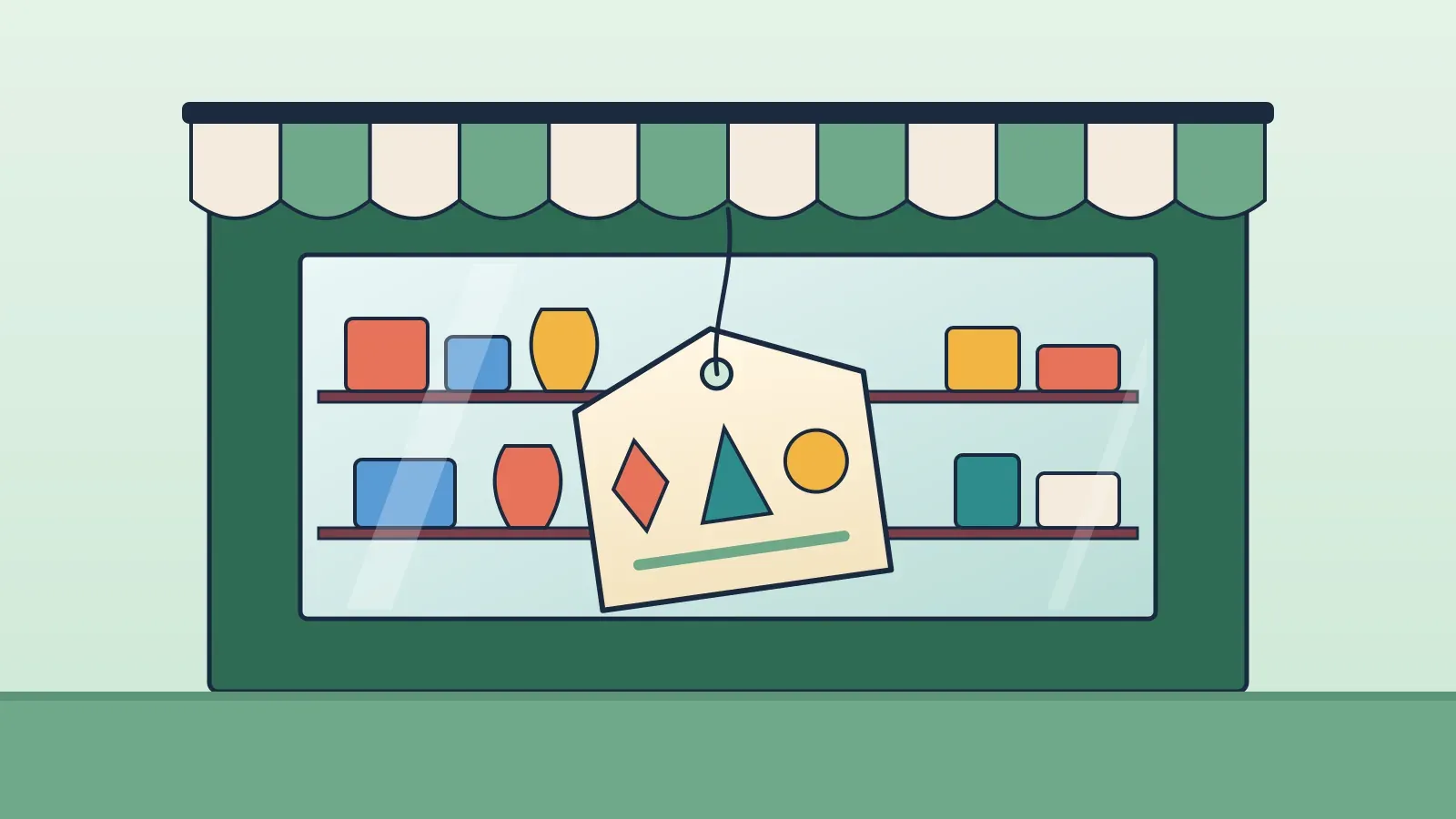
So many prices end in .99 because we read numbers from left to right and give the first digit outsized weight: $4.99 feels closer to $4 than to $5. Marketing research confirms this "left-digit effect," but shows it only works under certain conditions. Where the habit started, on the other hand, remains unclear.
The trick is so common that it barely registers anymore. Yet behind a one-cent difference lies a stack of studies, some surprising numbers and an origin story nobody has managed to prove.
How common are prices that end in 9?
Very. A study by economists Avichai Snir of Netanya Academic College and Daniel Levy of Bar-Ilan University analyzed about 98.9 million weekly prices from 93 stores of the U.S. grocery chain Dominick's, between 1989 and 1997. The digit 9 was the last digit in 63.9% of prices. The runner-up, 5, appeared in 11.4%, and 0 in just 4.7%.
- Nine was the most frequent ending in 28 of 29 product categories; the exception was cigarettes.
- In some categories it topped 90%, such as beer (95.7%) and shampoo (91.5%).
- The share of 9-ending prices rose from 51.9% in 1989 to 73.0% in 1997.
The authors note that dozens of studies find 9-endings make up 60% to 95% of many retail prices. If endings were random, each digit would get about 10%.
What is the left-digit effect?
The most studied explanation comes from consumer psychology. In 2005, Manoj Thomas and Vicki Morwitz of New York University published five experiments on the topic in the Journal of Consumer Research. They found that a 9-ending price can seem lower than the price one cent higher, but not always.
- The effect appears only when the leftmost digit changes, as in $3.00 versus $2.99.
- It is stronger when the price is close to a comparison point, such as a competing product's price.
- It is not limited to price tags: it also shows up when people compare other multidigit numbers.
The idea is that the brain starts judging a number before it finishes reading it, so the first digit anchors the impression. Marketing professor Lee Hibbett, interviewed by Live Science, adds another factor: on small purchases, shoppers try to spend little effort and often skip the cents entirely.
Do 99-cent prices actually boost sales?
In at least some cases, yes. Eric Anderson of Northwestern's Kellogg School of Management and Duncan Simester of MIT ran three field experiments that varied price endings, published in 2003 in Quantitative Marketing and Economics. In all three, a 9 ending increased demand. The effect was larger for new items that customers knew less about, and weaker when the item was already flagged as being on sale.
The best-known example came from a women's clothing catalog. According to Live Science, raising a dress from $34 to $39 increased demand by about a third, while pricing it at $44 made no difference. In other words, the 9 also seems to work as a "sale price" signal that shoppers have learned to associate with bargains.
Is a price ending in 9 always the cheaper one?
Not necessarily. Using the same Dominick's data, Snir and Levy compared 9-ending prices with 0-ending ones and found that, in their main analysis, the 9-ending prices were on average higher in 21 of 29 categories. Sale prices were the big exception: among them, 9-endings were often lower, which may help sustain their bargain image.
This kind of mental shortcut shows up in other everyday math, too. The same difficulty in grasping how big numbers really are helps explain why so many people underestimate how compound interest works.
Where did the 99-cent habit come from?
No one knows for sure. According to Live Science, historians cannot pinpoint who started the practice, which has been around for at least a century. Academic interest is old as well: Snir and Levy's reference list includes a 1932 article titled "Do Odd Prices Earn Money?"
The most repeated theory says merchants adopted prices like 99 cents to force clerks to open the register and make change, recording the sale and making it harder to pocket the money. It is plausible, but no documentation proves it, and it does not explain why 9-endings remain so strong in online stores, where there is no cash drawer at all. The symbol in front of the number has its own story, too: see where the dollar sign comes from.
Whatever its origin, the habit survived because it never had to be rational to work. One cent rarely changes anyone's budget, but it can change the first digit the eye lands on, and that is where many purchases begin.
Sources
- IDEAS/RePEc: Penny Wise and Pound Foolish: The Left-Digit Effect in Price Cognition
- Kellogg School of Management: Effects of $9 Price Endings on Retail Sales: Evidence from Field Experiments
- Bar-Ilan University: If You Think 9-Ending Prices Are Low, Think Again
- Live Science: Why Do Most Prices End in .99?