How Many Countries Are There in the World? It Depends on Who's Counting
The UN has 193 member states and two observer states, which is where the common answer of 195 comes from. Here is why Taiwan, Kosovo and others fall outside the count and why some lists top 200.
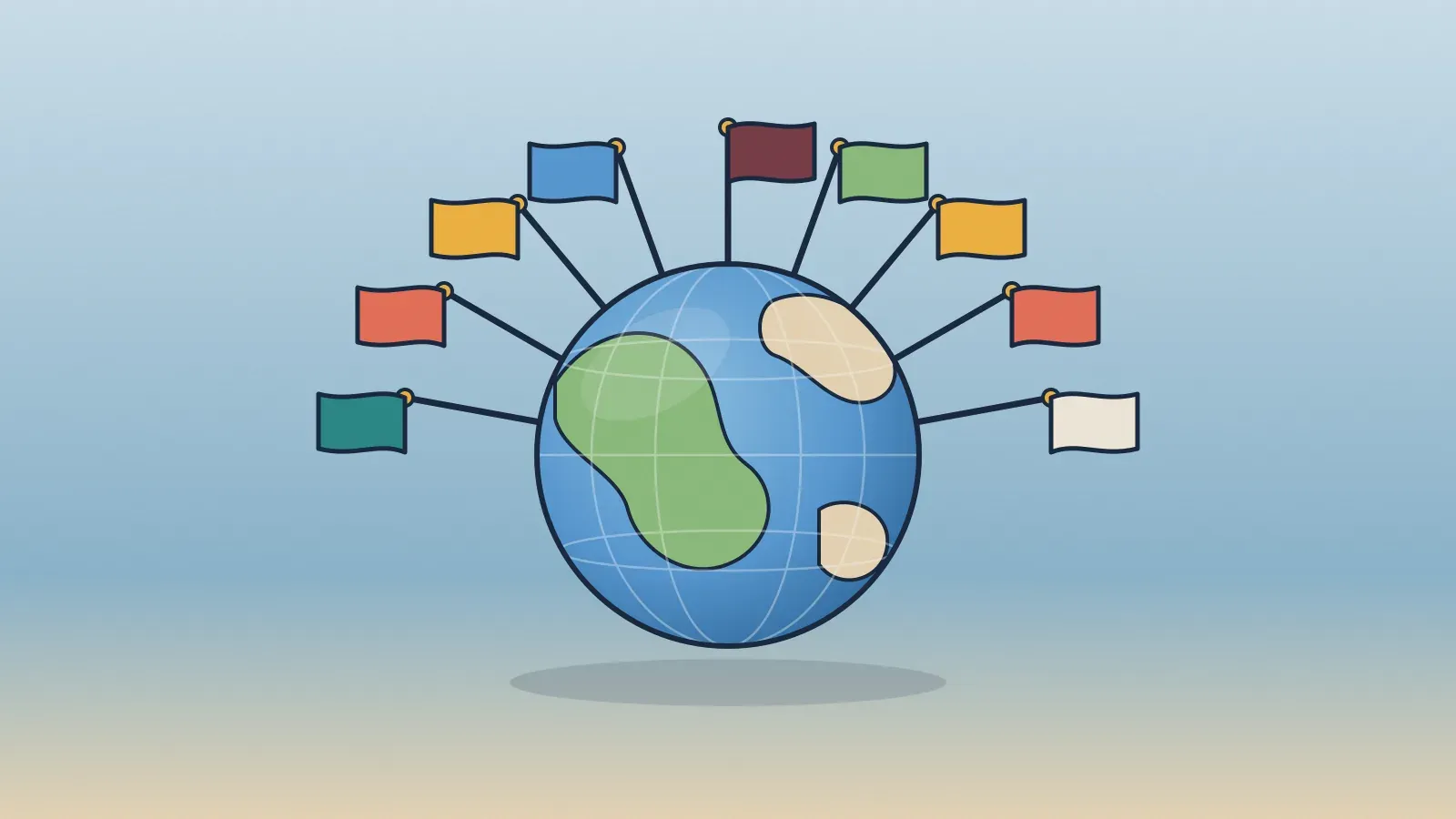
There is no single official number, but the most common answer is 195: the 193 member states of the United Nations plus its two observer states, the Holy See and Palestine. The total changes with the criteria, because no international body alone decides what counts as a country, and places such as Taiwan and Kosovo are left out.
Who are the UN's 193 members?
The UN list is the most widely used yardstick because it is clear-cut: a country has either been admitted or it has not. The General Assembly currently has 193 members. The newest is South Sudan, admitted on July 14, 2011, shortly after it split from Sudan.
Getting in is not easy. An applicant sends a request to the Secretary-General and declares that it accepts the obligations of the UN Charter. The application goes first to the Security Council, where it needs 9 of the 15 votes and no negative vote from any of the five permanent members: the United States, Russia, China, the United Kingdom and France. Then the General Assembly must approve it by a two-thirds majority.
That design explains many of the cases left outside. Opposition from a single permanent member is enough to keep a candidate out, even if many countries recognize it.
Who are the two observer states?
Besides its members, the UN has two non-member states with a standing invitation to take part as observers: the Holy See, which governs Vatican City, and the State of Palestine. They follow the work of the General Assembly but do not have the same voting rights as members.
The two cases are very different. The Holy See has diplomatic relations with much of the world and is treated as a state without controversy. Palestine is recognized as a state by many UN members, though not all, and has not obtained the Security Council recommendation it needs to become a full member. Because the UN treats both as states, they are usually included in the figure of 195.
Why aren't Taiwan and Kosovo counted?
This is where an important distinction comes in. The UN itself explains that recognizing a new state or government is an act that only other states and governments can grant or withhold. The organization does not recognize countries; it admits members. So a territory can have its own government, borders, currency and elections and still not be on the list.
Taiwan is the best-known example. The island has its own government, officially called the Republic of China, but China's seat at the UN is held by the People's Republic of China, which regards Taiwan as part of its territory. As of May 2026, according to Reuters, only 12 states had formal diplomatic ties with Taiwan: 11 UN members and the Holy See.
Kosovo declared independence from Serbia in 2008. It is recognized by the United States and most European Union countries, among many others, but not by Serbia, Russia or China, among others. The exact number of recognitions is disputed, because some governments say they have withdrawn theirs, and tallies vary by source.
So why do some lists go past 200?
Because each list serves a different purpose:
| Criterion | Total | What it includes |
|---|---|---|
| UN members | 193 | States admitted by the General Assembly |
| UN plus observers | 195 | The 193, plus the Holy See and Palestine |
| FIFA members | 211 | Countries and territories with their own soccer federation, such as England, Scotland, Puerto Rico and Hong Kong |
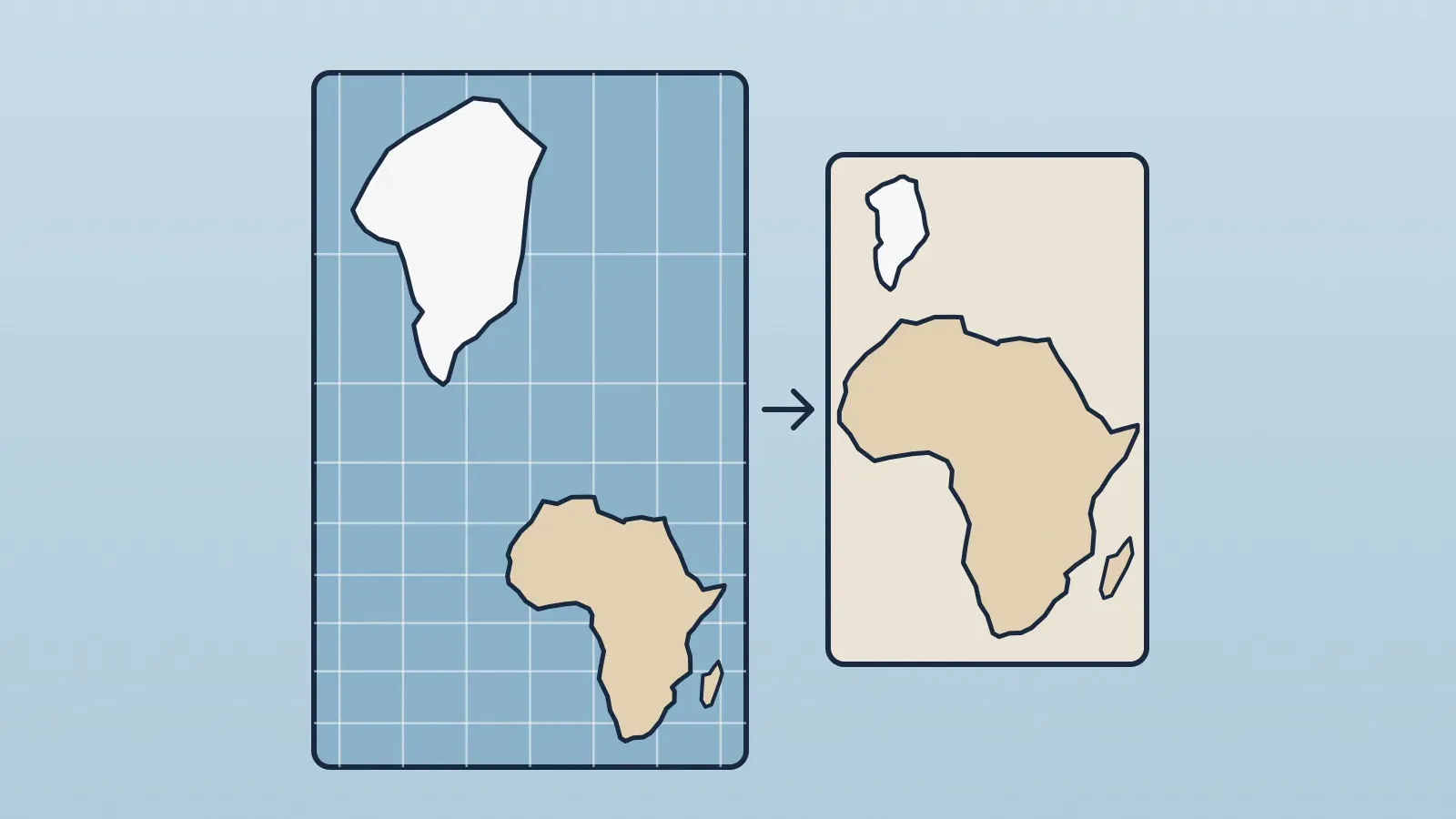
Longer lists tend to include territories with their own identity that belong to another country. Greenland, for example, has home rule and a vast area, but it is part of the Kingdom of Denmark and is not in the UN count. It is also a classic case of map distortion, as explained in why Greenland looks so big on maps.
The criteria matter even for geography questions that seem simple, such as which country borders the most countries: change the list of countries and the list of neighbors changes too.
So what is the best answer?
For most purposes, 193 is the number of UN member states, and 195 is the answer most people use when asked how many countries exist. The most honest approach is to give the criterion with the number: “193 UN members” is a checkable fact; “there are exactly so many countries” is always a choice.
And the map keeps moving. In little more than a decade South Sudan joined the list, Samoa even moved its calendar across the date line, and new borders may yet appear. Any answer to this question should come with a date attached.