Where Does the Word Robot Come From? A Czech Play and a Painter's Suggestion
Robot comes from the Czech robota, forced labor with strong overtones of serfdom. It debuted in Karel Čapek's play R.U.R., published in 1920, but the word was suggested by his brother Josef, a painter.
The word robot comes from the Czech robota, meaning compulsory labor, with strong overtones of serfdom. It first appeared in R.U.R., a play by Czech writer Karel Čapek published in November 1920. But the name wasn't Karel's idea: it was suggested by his brother, the painter Josef Čapek.
What was R.U.R. about?
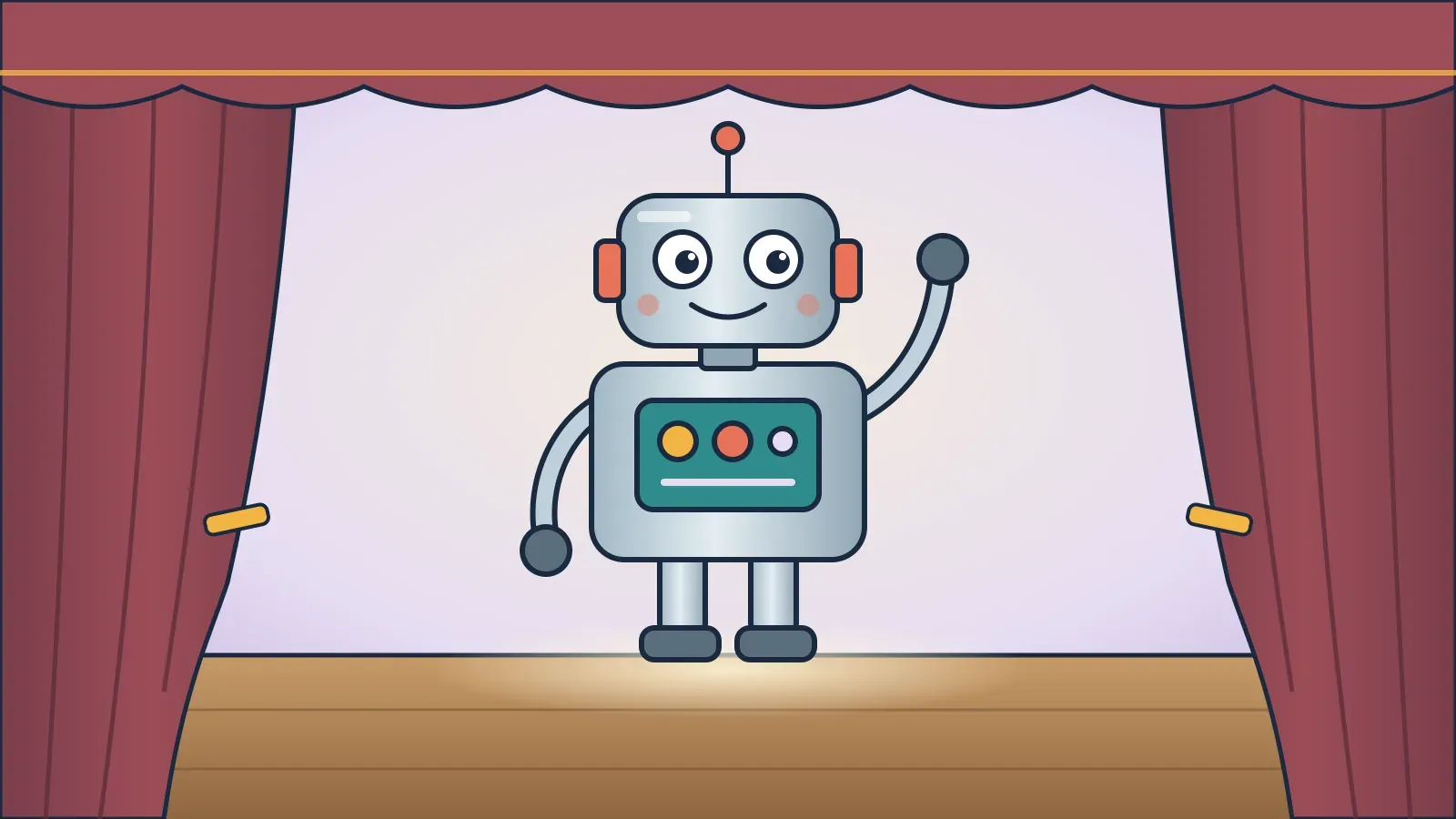
R.U.R. stands for Rossum's Universal Robots, the name of a fictional factory. In the play, the company mass-produces artificial beings, described as living and intelligent working machines, built to take over the hard work humans no longer want to do.
Over time, the robots turn on humanity. Products created by people end up destroying their own makers, a plot that science fiction would revisit again and again throughout the 20th century.
It's worth noting that Čapek's robots were not the tin figures with bolts and antennae that movies later made famous. They were living artificial creatures, turned out on a production line to work in place of people.
Who actually invented the word robot?
Karel Čapek usually gets the credit, because his play carried the word around the world. The origin of the name, however, was told in a piece published on December 24, 1933, in the Czech newspaper Lidové noviny, under the title On the Word Robot. An excerpt was reproduced in 2022 by Blackbird, a journal published by Virginia Commonwealth University.
According to that account, Karel had the idea for the play but didn't know what to call his artificial workers. He considered laboři, built on labor, but found it too literal. So he went to see his brother, who was busy painting. Josef, with a brush in his mouth, told him to call them roboti and went back to his canvas. It was Josef's only contribution to the text of the play, and it was the one that stuck.
Josef also designed the cover of the play's first edition, released by the Aventinum publishing house in November 1920, according to the Czech consulate in Los Angeles.
Why was robota tied to serfdom?
Roboti is the Czech plural of robot, and robot was formed from robota. Merriam-Webster defines robota as compulsory labor. The article published by the Czech consulate adds that the word has a Slavic root meaning labor, but with a strong stress on serfdom, the system in which peasants were bound to work for landowners.
That weight suited the play: Čapek's robots existed only to work, with no rights and no pay. Merriam-Webster also notes that robota is related to the Old High German arabeit, meaning trouble or hardship, and to the Latin orbus, orphaned. At its root, then, the word carried more suffering than technology.
English speakers had none of those associations. To audiences in New York or London, robot arrived as a brand-new word with no history attached, and over the following decades it came to mean almost any machine that does work on its own.
How did the word spread so fast?
The play was a quick success, and the word traveled with it. The dates below follow an article by journalist Jaroslav Veis published by the Czech consulate in Los Angeles:
| Date | Event |
|---|---|
| November 1920 | R.U.R. is published in Prague by Aventinum |
| January 2, 1921 | First staging, by amateur actors in Hradec Králové |
| January 25, 1921 | Premiere at the National Theatre in Prague |
| October 9, 1922 | American premiere at the Garrick Theater on Broadway |
| 1923 and 1924 | Productions in London, Vienna, Berlin, Paris and Tokyo, among other cities |
Sources disagree about the world premiere. Many cite the Prague National Theatre production of January 25, 1921. Veis shows that an amateur group in Hradec Králové staged the play earlier, on January 2. In English, Merriam-Webster dates the first known use of robot to 1922, the year of the Broadway premiere.
What's left of the original meaning?
Today a robot almost always means a machine, and many of the most common robots don't even have a body: they are programs following step-by-step instructions, or algorithms, a word with its own surprising story tied to the name of a ninth-century Baghdad mathematician.
Much like the QWERTY layout inherited from 19th-century typewriters, the word robot shows how a choice made almost on a whim can become a worldwide standard.
Czech embassies like to call robot the most famous Czech word in the world. Not bad for a word born from a hurried reply by a painter who didn't even take the brush out of his mouth to answer.