What Is Inflation and Why Do Prices Go Up? CPI, Causes and the 2% Target
Inflation is the rate at which prices for goods and services rise over time, so the same money buys less. It is tracked by indexes such as the CPI, and central banks steer it toward targets.
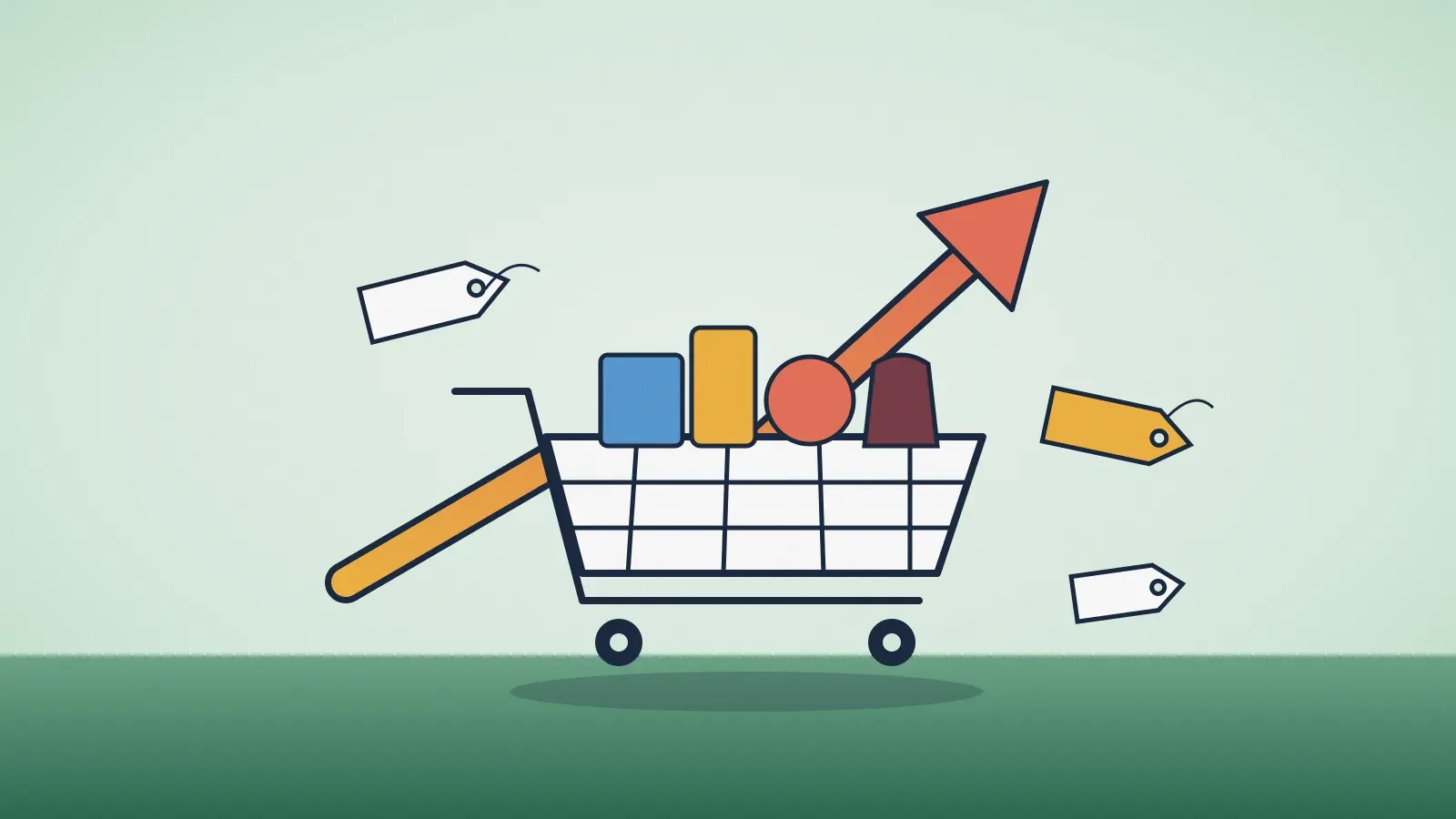
Inflation is the rate at which the prices of goods and services rise over time, so the same amount of money buys less. In the United States it is commonly tracked by the Consumer Price Index. Prices tend to climb when demand outpaces supply, when production costs rise, or when people come to expect higher prices.
How is inflation measured?
A jump in the price of one item, like eggs after a supply shock, is not inflation on its own. What matters is the average movement in the prices of everything households typically buy, from groceries and rent to transportation and services. To follow that, statistical agencies build a kind of shopping basket and check what it costs every month.
An index like this describes an average household, not yours. Your own costs can rise faster or slower than the official figure depending on what you spend the most on, whether that is rent, fuel, food or child care.
According to the U.S. Bureau of Labor Statistics, the CPI measures the average change over time in the prices of a market basket of consumer goods and services. Its main version covers more than 90 percent of the population, and spending is sorted into more than 200 categories arranged in 8 major groups.
A hypothetical example, just to show the math: if a basket cost $100 and a year later costs $105, inflation for that basket over the period was 5%. The same $100 now buys about 95% of what it used to, since 100 divided by 105 is roughly 0.952.
Why do prices go up?
The Federal Reserve Bank of Cleveland groups the causes into three buckets. The first is demand: when demand grows faster than the supply of goods and services, prices tend to rise. Higher incomes and cheaper borrowing, for example, both boost demand.
The second is the cost of production. Conflicts and embargoes can drive up energy prices, droughts shrink harvests, and natural disasters, pandemics and supply chain disruptions can cause shortages or raise costs. Wage increases that are not matched by productivity gains add to the pressure.
The third is expectations. If people think everything will cost more later, they buy sooner, and businesses raise prices in anticipation of higher costs. When workers and firms keep expecting more inflation, a wage-price spiral can take hold and feed on itself.
That is where central banks come in. According to the Cleveland Fed, the Federal Reserve uses monetary policy to influence interest rates and, through them, overall demand in the economy, which in turn affects how fast prices rise.
What is an inflation target?
Many central banks work with a target: a number for inflation that guides their decisions, especially on interest rates. The Federal Reserve considers inflation of 2 percent over the longer run, measured by the annual change in the price index for personal consumption expenditures, or PCE, to be most consistent with its goals of maximum employment and price stability.
Why pick a number at all? The Fed explains that low, stable inflation helps households and businesses make sound decisions about saving, borrowing and investing, because they can plan ahead without guessing how much prices will jump from one year to the next.
So the Fed's target is set in terms of PCE rather than the CPI that makes most headlines. Across the Atlantic, the European Central Bank also aims for 2% inflation over the medium term, measured by its Harmonised Index of Consumer Prices, and treats overshooting and undershooting the target as equally undesirable.
Why isn't the target zero?
It sounds odd for a central bank to want any inflation at all. The ECB offers several reasons. A 2% target provides a safety margin against deflation, a general fall in prices, which is hard to fight because there are limits to how far interest rates can be cut. Price indexes also tend to overstate true inflation slightly, and a small cushion helps economies adjust wages and absorb differences between countries.
What does this mean in everyday life?
Inflation compounds. Staying hypothetical, two straight years of 5% do not add up to 10% but to 10.25%, because the second year's increase applies to prices that had already risen. It is the same logic behind compound interest, where returns build on earlier returns.
In the end, inflation measures something beyond numbers: confidence in the value of money itself. Fittingly, the story of where money came from is also a story about how much people trust it to hold its worth.