How to Tell if Money Is Fake: Security Features of the Dollar, Euro and Real
Watermark, security thread, color-shifting ink and raised printing: how to check dollar, euro and Brazilian real notes according to their central banks, and what to do with a suspect bill.
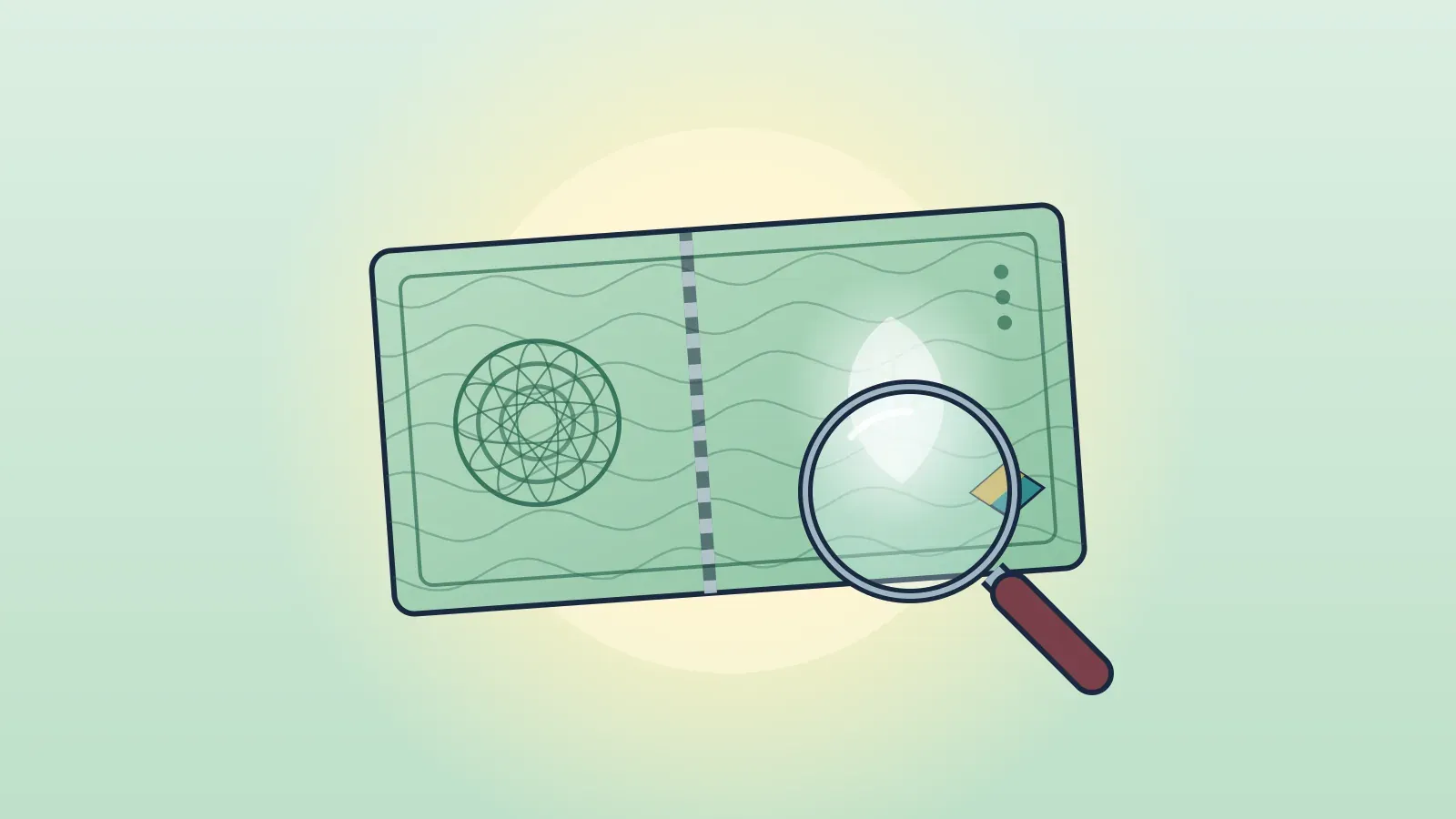
To tell if money is fake, check more than one security feature: hold the note up to the light to find the watermark and security thread, tilt it to see a number or strip that changes, and feel for raised printing. If a note seems suspicious, do not pass it on; report it to the police or your bank.
Central banks in the United States, Brazil and the euro area follow similar logic: features that are hard to copy with an ordinary printer but easy for anyone to check without special equipment. The key is to look carefully and never rely on a single detail.
What security features does a U.S. dollar bill have?
The U.S. Currency Education Program website, which the Federal Reserve points to, sums up the check in four steps: feel the paper, tilt the note, check it against light and, if available, use ultraviolet light. The main features on the $5 through $100 notes are:
- A portrait watermark, visible from both sides when the note is held up to light.
- An embedded security thread, also visible against light, with different text for each denomination.
- Color-shifting ink: on the $10, $20, $50 and $100, the numeral in the lower right corner changes color when tilted; on newer designs it shifts from copper to green.
- A blue 3-D Security Ribbon, only on the current $100: when you tilt the note, the bells on it appear to move.
The Federal Reserve warns that counterfeit detection pens are not always accurate and recommends relying on the security features instead. Because dollars circulate in so many countries, understanding why the dollar is the world's reserve currency also helps explain why its notes are a target far beyond U.S. borders.
How can you check a euro banknote?
The European Central Bank uses a feel, look and tilt method for its newest notes, the Europa series:
- Feel: short raised lines along the left and right edges of the note.
- Look against the light: a portrait of Europa appears along with the value and a window; the security thread shows up as a dark stripe.
- Tilt: the silvery stripe shows a portrait of Europa, a window and the value, and the emerald number changes color from emerald green to deep blue.
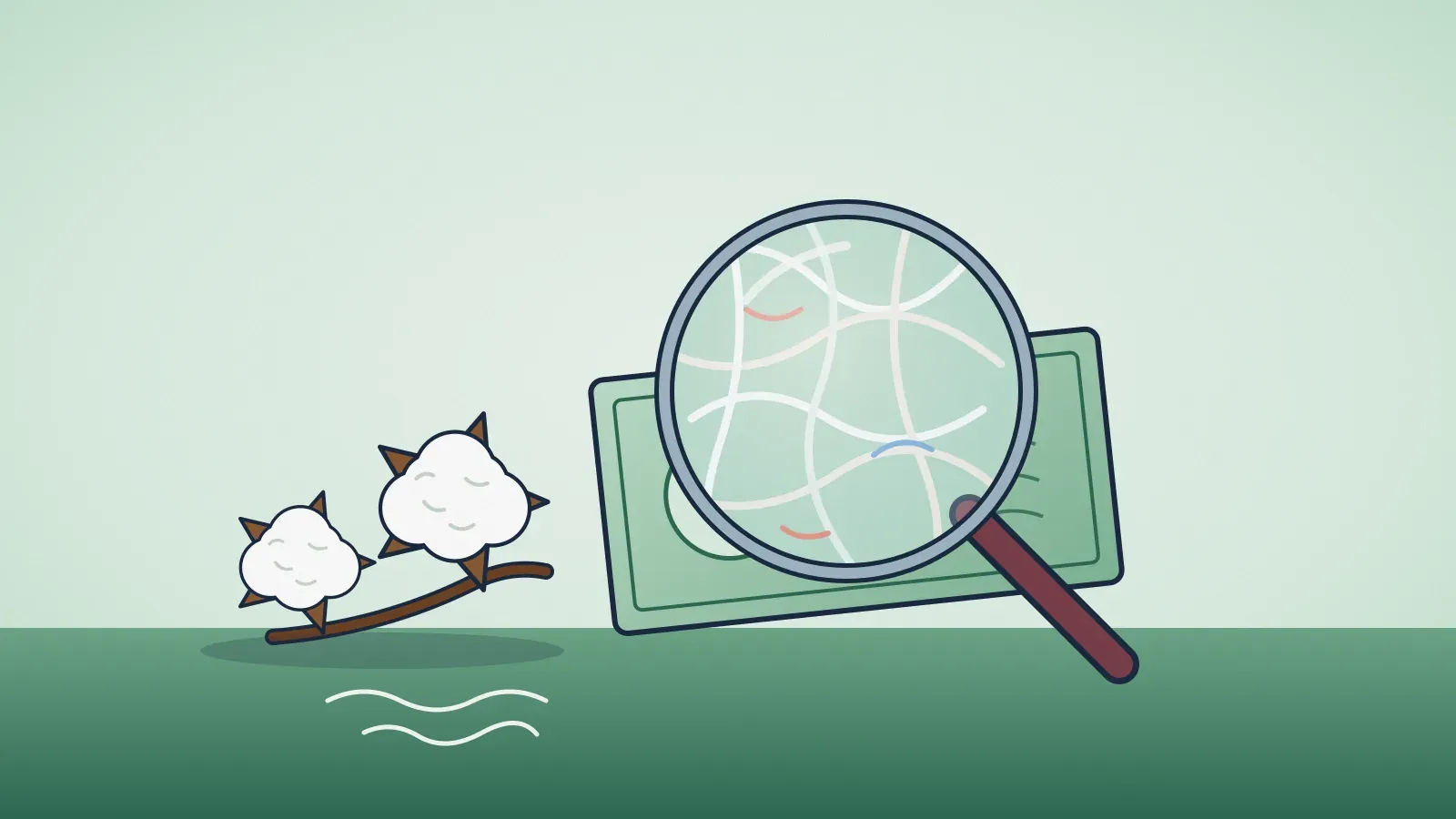
Much of the protection lies in the material itself, a topic covered in what banknotes are made of.
And how do you check a Brazilian real?
The Banco Central do Brasil's guide to the notes now in circulation, known as the Second Family of the Real, lists these features:
- A watermark on every note, made during paper manufacture rather than printed on it.
- A security thread near the middle of the 10, 20, 50 and 100 reais notes, but not the 2 and 5.
- A see-through puzzle: designs on the front and back that complete each other against the light.
- Raised printing on the front of every note, and on the back of the 20, 50 and 100.
- A number that shifts from blue to green on the 10 and 20, and a holographic strip on the 50 and 100.
- A hidden number, fluorescent elements that only show up under ultraviolet light, and microprinting that needs a magnifying glass to read.
Notice that the three systems overlap: a watermark and a thread you see against the light, something that changes when you tilt the note, and printing you can feel with a fingertip.
What should you do if you think a note is fake?
In the United States, the Federal Reserve advises notifying local police right away, keeping the suspect note apart from genuine currency and trying to remember who passed it. Outside the country, the contact is the nearest U.S. Secret Service field office. The Fed also points out that a counterfeit cannot be exchanged for a genuine note, so its value is lost.
Brazil's central bank gives similar advice: refuse a suspect note politely, without embarrassing the person, who may be a victim, and take any note already received to a bank for analysis, asking for a receipt. It stresses that passing on a counterfeit is a crime even if you received it unknowingly, and that worn genuine notes can look suspicious. For euro questions, the ECB points people to their national central bank.
One practical rule holds across all three currencies: counterfeits usually fail on features tied to paper and light, not on the overall design. Checking two or three of them takes seconds and beats any guess based on a note's color or size.