How to Ripen Avocados (and Other Fruit) Faster
A paper bag plus a banana or apple speeds up ripening thanks to ethylene gas. Learn how it works, which fruits respond, how to tell when an avocado is ripe and how to stop a cut one from turning brown.
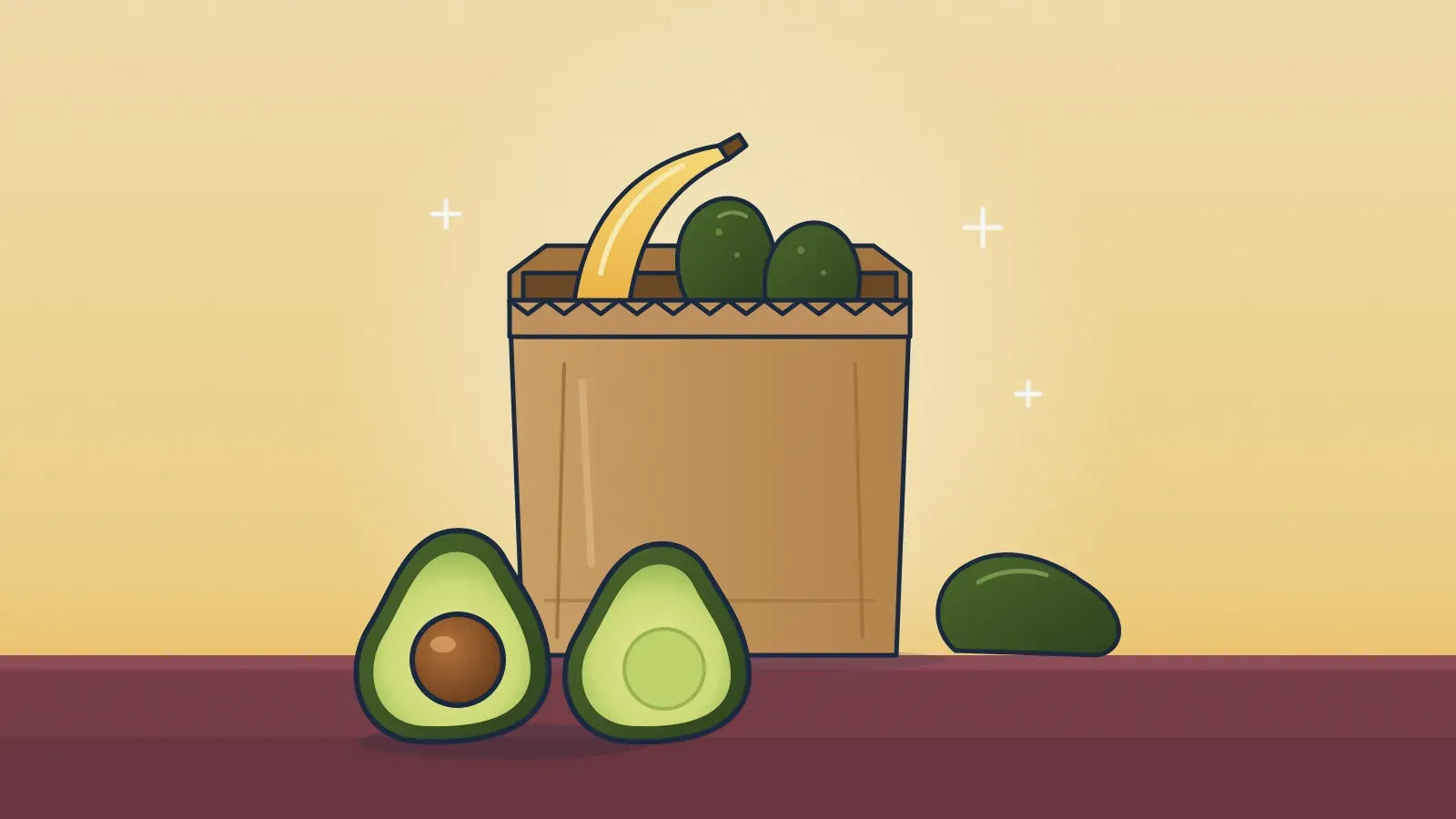
Bought a rock-hard avocado and want to use it tomorrow? You can speed things up with a paper bag and a banana or an apple. The secret is ethylene, a gas that fruit produces on its own and that acts as a natural ripening signal. Understanding how it works helps you ripen fruit at the right time and waste less.
What ethylene is and why it works
Ethylene is a plant hormone in gas form. In certain fruits, called climacteric fruits, it triggers a chain of changes after harvest: the flesh softens, starch turns into sugar and aroma develops. The avocado is a classic example: it barely ripens while still on the tree and only turns creamy after it is picked.
Apples and bananas are among the fruits that release the most ethylene. When you put them in a bag with an avocado, the gas builds up around the fruit and ripening speeds up. A paper bag works better than plastic because it traps the gas but lets moisture escape, which lowers the risk of mold.
The paper bag method, step by step
- Place the whole, uncut avocado in a paper bag.
- Add a ripe banana or an apple to boost the ethylene level.
- Fold the top of the bag closed without sealing it tightly.
- Leave it at room temperature, away from direct sun and heat sources.
- Check every 12 hours by gently squeezing the fruit. Depending on how unripe it was, it usually takes one to three days.
- Once it is ready, take it out of the bag and eat it, or refrigerate it to slow further ripening.
Tricks like putting an avocado in the oven or microwave only soften the flesh with heat. The fruit gets softer, but it does not develop the buttery flavor or creamy texture of a truly ripe avocado.
Which other fruits ripen this way
| Fruit type | Examples | Does the paper bag help? |
|---|---|---|
| Climacteric (keep ripening after harvest) | Avocado, banana, mango, papaya, pear, peach, plum, apricot, kiwi, guava, passion fruit, tomato | Yes, it speeds up ripening |
| Non-climacteric (do not ripen after harvest) | Orange, lemon, grapes, strawberry, raspberry, cherry, pineapple, watermelon, pomegranate | No; they may soften, but they will not get sweeter |
The same principle works in reverse: if you want fruit and vegetables to last longer, keep them away from heavy ethylene producers such as ripe apples and bananas.
How to tell if an avocado is ripe
- Feel: hold the fruit in your palm and squeeze gently. A ripe one yields slightly to pressure; a hard one is still unripe; one that is mushy or has dents is overripe.
- Color: in pebbly-skinned varieties such as Hass, the skin darkens to nearly black as it ripens. Large smooth-skinned avocados barely change color, so rely on feel.
- Stem: a popular tip is to flick off the small stem cap. If it is light green underneath, the fruit is likely ready; if it is brown, it may be overripe. It is a useful clue, but not foolproof.
- Avoid pressing with your fingertips, which bruises the flesh and leaves dark spots.
How to stop a cut avocado from browning
Browning happens because cutting the fruit lets an enzyme called polyphenol oxidase meet oxygen in the air and turn compounds in the flesh into brown pigments. It looks unappealing, but the avocado is still safe to eat as long as it has been stored properly and is within a reasonable time; you can scrape off the darkened layer if you prefer. To slow it down, limit contact with air and add acidity to the surface.
- Brush lemon or lime juice over the exposed flesh; the acidity slows the enzyme.
- Press plastic wrap directly onto the flesh, leaving no air pockets.
- Store it in a tightly closed container in the fridge and eat it within a few days.
- A thin layer of olive oil on the surface also creates a barrier against air.
- Leaving the pit in only helps the area it covers; it does not protect the rest of the flesh.
In short: to ripen, use a paper bag, a banana or apple and room temperature. To hold it at the right point, use the fridge. To prevent browning, add lemon and limit air contact. That way you stop relying on luck at the store and enjoy your avocado at its best.