How to Organize Your Fridge So Food Lasts Longer
Each part of your fridge has a different temperature, and using that to your advantage cuts waste and the risk of food poisoning. Here is the right temperature, what goes on each shelf and what does not belong inside at all.
Your refrigerator is not one evenly cold box. Temperature changes between the door, the shelves and the drawers, and putting each food in the right place makes a real difference to how long it lasts and how safe it is. With a few simple changes, you throw away less and lower the risk of cross-contamination.
Start with the right temperature
In the United States, the FDA and USDA recommend keeping the fridge at 4 °C (40 °F) or below, and the freezer at -18 °C (0 °F). In the United Kingdom, food safety agencies advise between 0 °C and 5 °C (32 °F and 41 °F). The figures differ slightly but point to the same target: below 5 °C (41 °F), with 4 °C (40 °F) as a safe goal. In that range, most bacteria that cause food poisoning grow much more slowly.
The fridge dial usually does not show the actual temperature; it controls cooling power. That is why a simple appliance thermometer, placed in the middle of the center shelf, is worth having. Do not overdo the cold either: close to 0 °C (32 °F), fruit, vegetables and eggs can freeze and lose quality.
The temperature zones in your fridge
The door is the warmest part, because it gets room air every time you open it and goes through the biggest temperature swings. The bottom shelf is usually the coldest, but that depends on the model: in some appliances the coldest spot is near the air vent at the back. A study by Scotland's food safety agency found that, on average, the top of home fridges was warmer than the bottom.
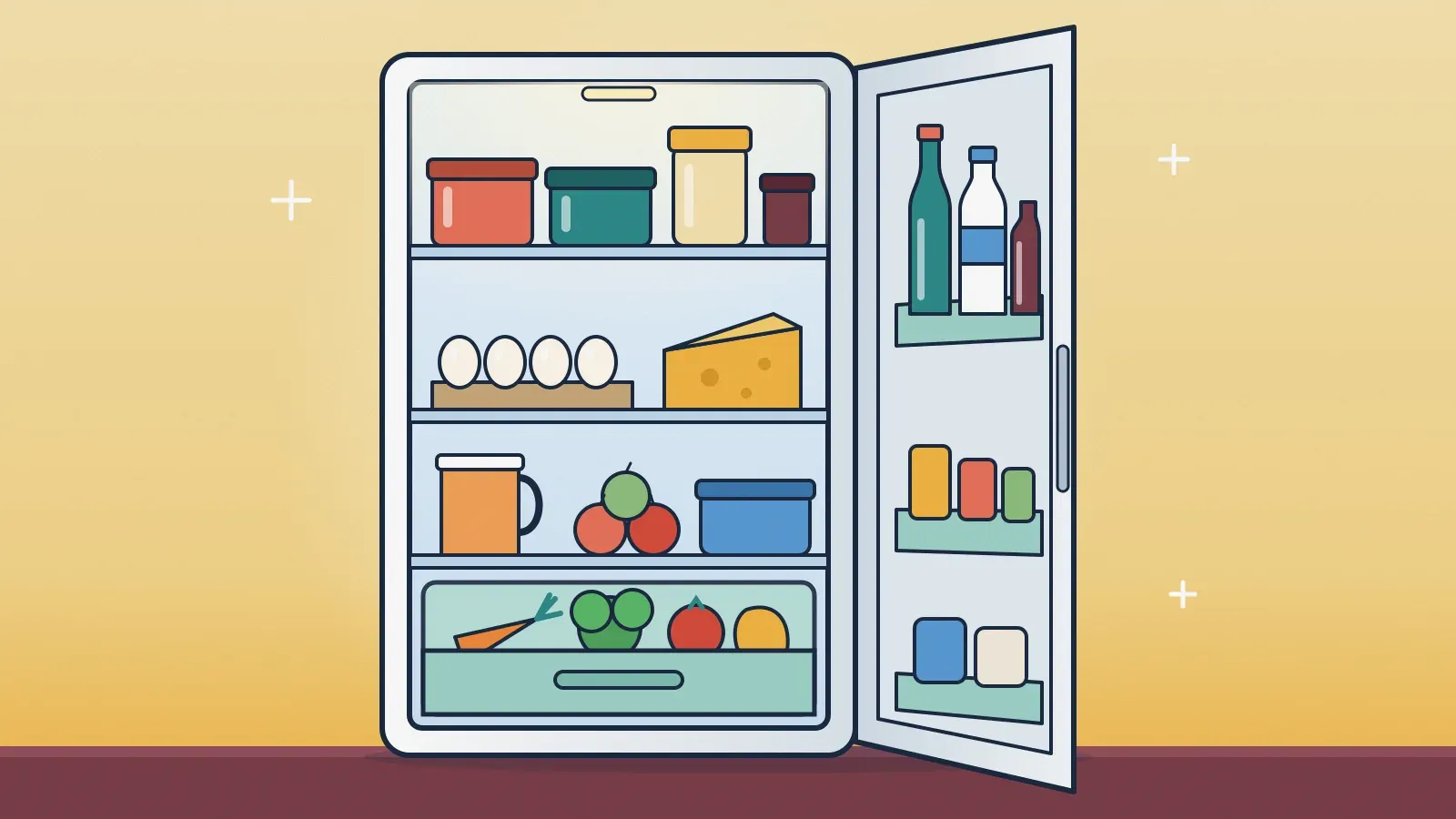
| Area | What to store | Why |
|---|---|---|
| Door | Sauces, condiments, juice, water, butter | It is the warmest part; best for more stable items |
| Upper shelves | Leftovers, ready-to-eat foods, yogurt, drinks | They sit above raw foods and stay clear of drips |
| Middle shelf | Eggs (in their original carton), cheese, dairy | More stable temperature than the door |
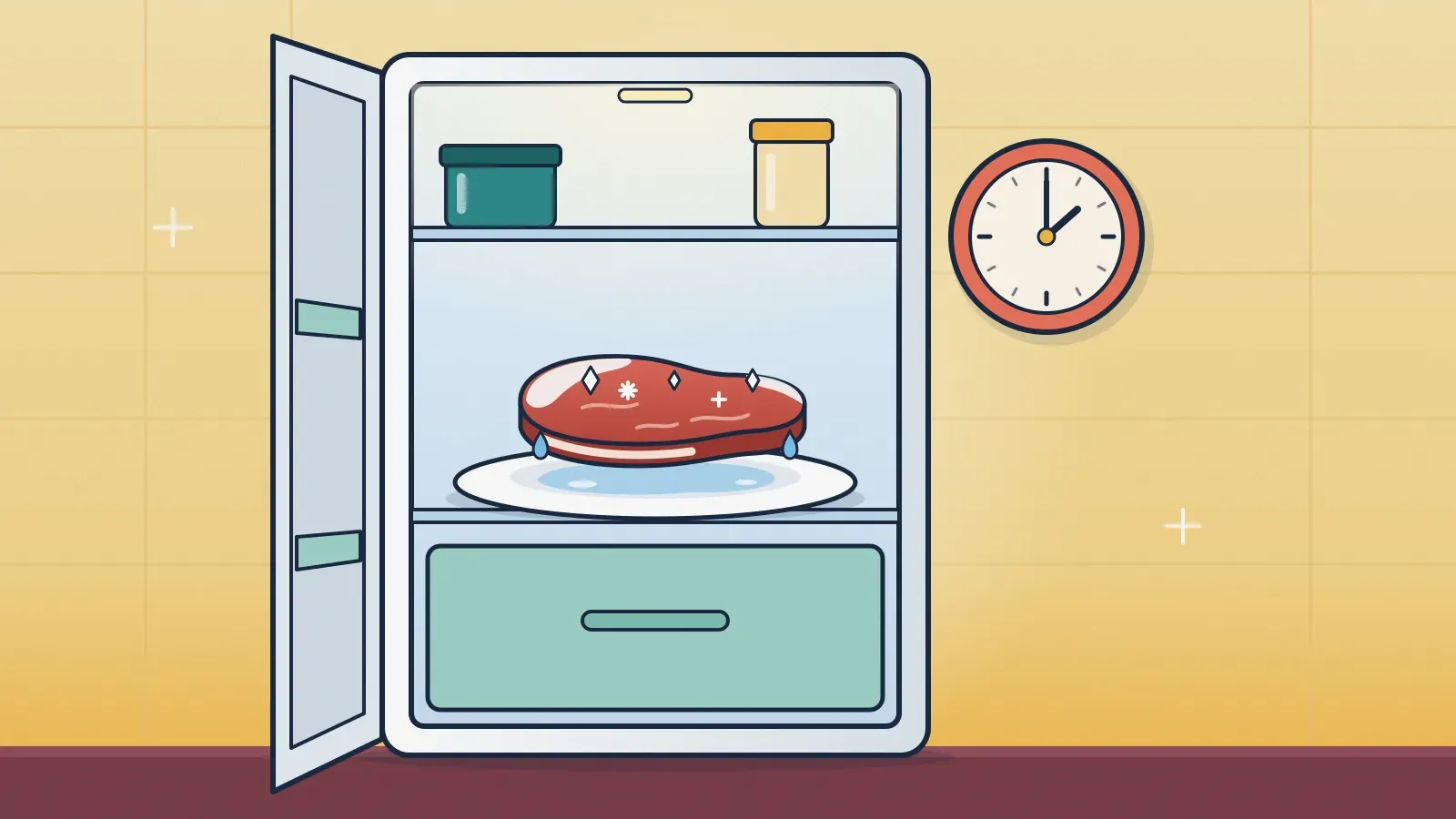
| Bottom shelf | Raw meat, poultry and fish, well wrapped and on a tray | Usually the coldest, and any juices cannot drip onto other food |
| Drawers | Fruit and vegetables | They protect against drying out and let you adjust humidity |
Step by step to reorganize
- Empty the fridge and throw out anything spoiled or past its date.
- Clean shelves and drawers with warm water and mild detergent, then dry them well.
- Check the temperature with a thermometer and adjust the setting if needed.
- Put raw meat on the bottom shelf, in sealed containers or on a tray.
- Store leftovers in closed, dated containers on the upper shelves and eat them within 3 to 4 days.
- Split the drawers: one for fruit and one for vegetables, if possible.
- Leave space between items. A packed fridge blocks the flow of cold air.
- Move whatever expires first to the front so you use it sooner.
Crisper drawers and humidity
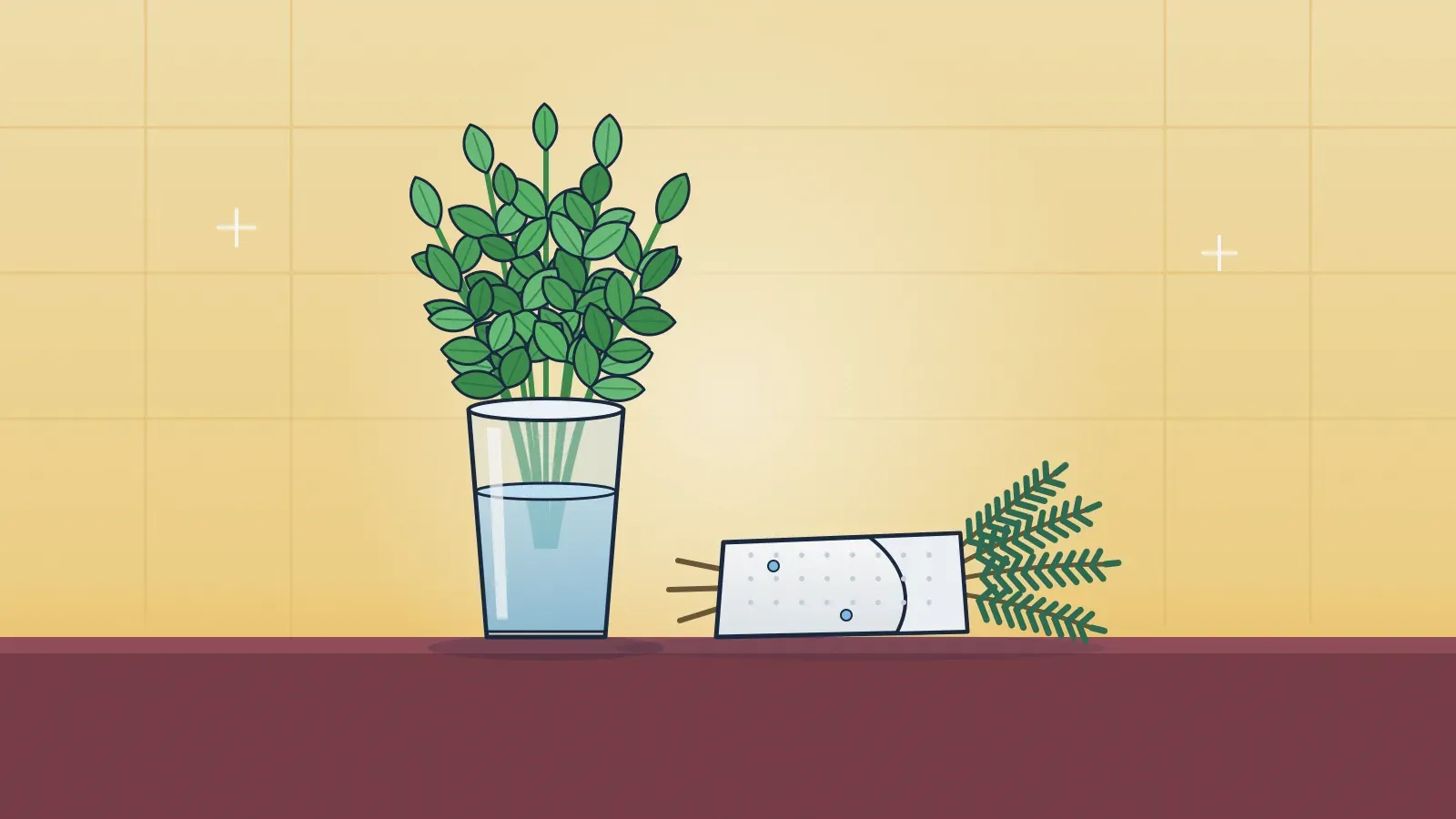
Many fridges have drawers with humidity controls. Use high humidity, with the vent closed, for leafy greens, herbs and vegetables that wilt easily. Use low humidity, with the vent open, for fruit such as apples and pears, which release ethylene gas, the natural hormone that speeds up ripening. Keeping these two groups apart helps stop greens from yellowing early.
What does not need (or should not go) in the fridge
- Unripe or firm tomatoes: cold hurts their flavor. Once ripe, they can go in the fridge to last a little longer.
- Bananas: they ripen and taste better outside the fridge.
- Unripe avocados, mangoes and papayas: ripen them at room temperature, then refrigerate once ripe.
- Whole onions and garlic: a dry, cool, dark and airy spot.
- Potatoes: the traditional advice is a cool, dark place, because cold turns starch into sugar. Some European food authorities now consider the fridge an acceptable option; advice varies between sources.
- Bread: it goes stale faster in the fridge; use the freezer for longer storage.
Also remember the two-hour rule: perishable foods such as meat, dairy, cut fruit and leftovers should be refrigerated within two hours, or within one hour on very hot days above 32 °C (90 °F).
A well-organized fridge is one at the right temperature, with raw meat at the bottom, ready-to-eat food at the top, stable items in the door and vegetables kept apart from fruit. Set aside a few minutes each week to check dates and wipe up spills. The result is less food in the trash and safer meals on the table.